
Cold weather can expose small maintenance issues quickly. A drafty door, an overlooked filter, or plumbing in an unheated space may deserve attention before temperatures drop. This winter home maintenance checklist helps homeowners prioritize practical checks, recognize when to call a professional, and plan seasonal work without assuming every home needs the same service. Start with the systems that protect people and prevent water or heating problems, then adapt the list to your property, climate, and equipment.
What winter home maintenance includes
Winter maintenance is a set of checks and seasonal tasks, not one standard service package. It can include homeowner checks, preventive upkeep, and professional inspections or repairs. The goal is to identify problems early, reduce avoidable exposure to cold and moisture, and keep essential home systems ready for use.
Start with life-safety items and systems that can cause costly disruption if they fail: heating, plumbing, alarms, and drainage. Add tasks for features your home actually has, such as a fireplace, sump pump, pool, or fuel-burning appliance. A checklist is a planning tool, not a substitute for equipment instructions or a professional assessment.
Signs your home may need attention
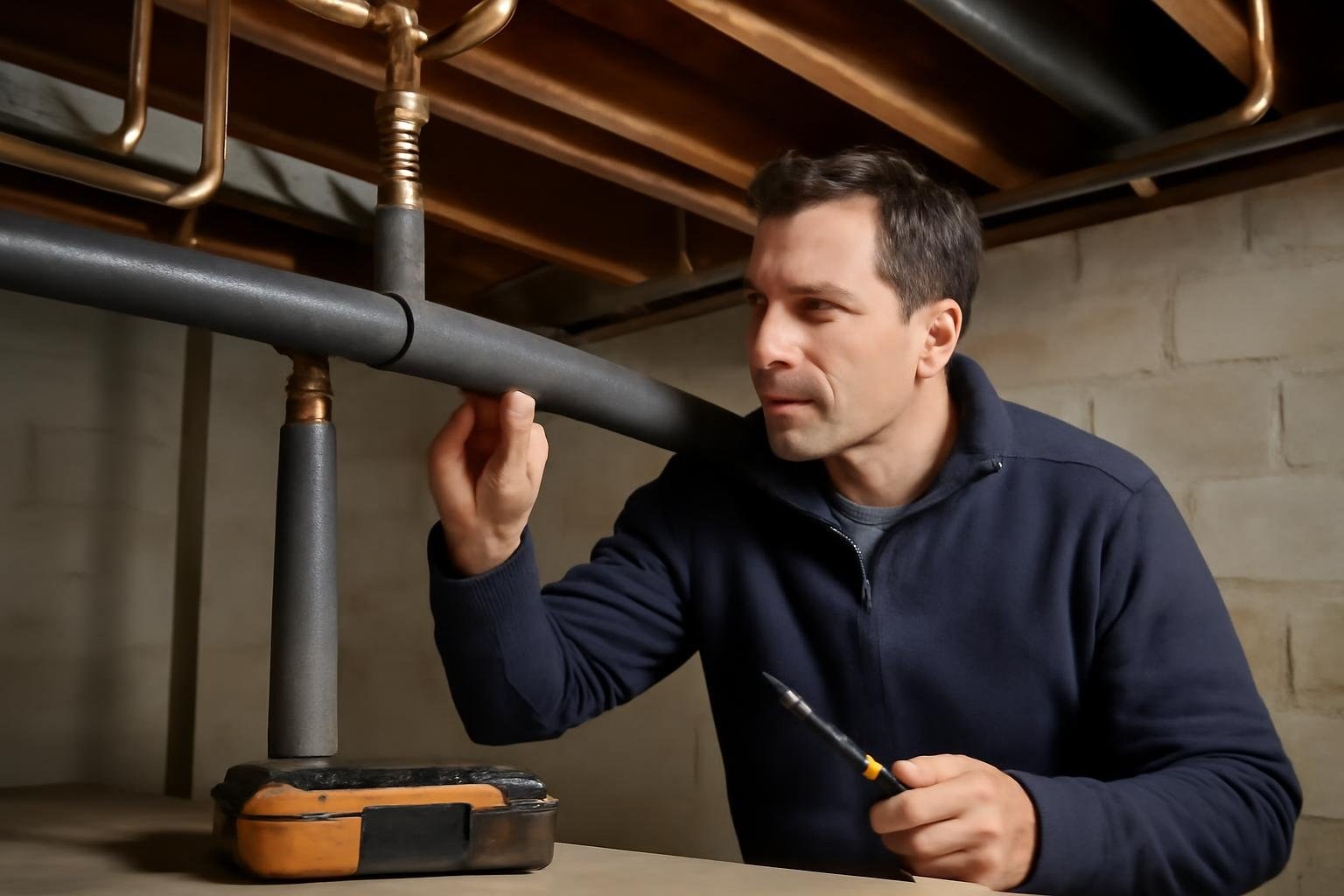
Some signs call for a closer look before colder weather makes access or repairs harder. Pay attention to rooms that feel unusually cold, visible gaps around windows or doors, reduced airflow, or heating equipment that does not seem to keep up. Check for plumbing in a basement, crawl space, garage, or other unheated area, especially if the home has experienced cold-weather pipe problems before.
Also note alarms that fail a test, water collecting where it should drain away, or a sump pump whose operation is uncertain. A sign does not always mean a major repair is needed, but it is a reason to investigate. If you see a leak, smell fuel, or have an urgent heating or electrical concern, prioritize safety and contact an appropriate professional.
Cost and pricing: what to compare
Winter maintenance costs vary with the home, local market, service scope, equipment, and any repairs uncovered.
Ask for an itemized written estimate that separates:
- Inspection or diagnostic work.
- Routine cleaning or maintenance.
- Parts and materials, including any pipe protection or replacement filters.
- Repairs that are recommended, optional, or urgent.
- Follow-up visits, disposal, and any applicable service fees.
Compare what each provider will inspect and do, not just the total. Ask whether a visit is preventive maintenance or a repair appointment, and get approval before added work begins. If a quote includes a replacement or major repair, request the reason, available alternatives, and any warranty details in writing.
Factors that affect your winter maintenance plan
The work needed depends on your climate, the way the home is built, the equipment it uses, and how the property is used. A pipe running through an unheated space needs different attention from plumbing entirely inside a heated area. A home with a fireplace, sump pump, swimming pool, or pellet stove may have seasonal tasks that another home does not.
Make your list room by room and system by system. Include spaces that are easy to overlook, such as basements and utility areas, and note which tasks require tools, access, or a specialist. Homeowners with a history of drafts, frozen plumbing, or drainage concerns should prioritize those areas. A generic checklist can guide you, but it cannot account for every property-specific risk.
DIY checks or professional service: compare the options
Decide which tasks are appropriate for you and which need professional service. Homeowners can often make visual checks, test alarms according to their instructions, look for drafts, and review a filter. Specialized inspections and work involving heating equipment, chimneys, vents, or uncertain sump pump performance are better handled by qualified providers.
| Approach | Useful for | Keep in mind |
|---|---|---|
| Do-it-yourself checks | Visual checks, recordkeeping, and simple upkeep allowed by product instructions | Do not take on unfamiliar or hazardous repairs |
| Professional inspection | Assessing equipment or systems that need specialized knowledge | Ask what is included and what findings are documented |
| Repair visit | Addressing a known fault or a problem found during inspection | Request a written scope and approval before additional work |
These approaches can complement each other. A homeowner checklist helps identify questions; a professional can assess systems beyond a routine visual check.
What to expect and when to schedule tasks
Plan ahead of the coldest weather you typically face, and allow time to book providers and complete any repairs before they become urgent. There is no single timeline for every home: scheduling depends on the task, equipment, weather, provider availability, and what an inspection finds.
Break the work into three passes:
- Before winter: Review the checklist, check alarms and plumbing areas, and schedule annual inspections or cleaning.
- During winter: Keep an eye on filters, airflow, drafts, and conditions around vulnerable plumbing.
- After a problem appears: Stop using equipment if you believe it may be unsafe, limit water damage where possible, and contact a suitable professional.
Follow the service provider’s recommendations for your specific equipment. Do not put off a safety concern just because it was not on your calendar.
How to choose a qualified winter maintenance provider
Choose a provider based on the work required, not just a general promise of winter service. For each estimate, confirm the provider has relevant experience with the system or task, can explain the proposed work in plain language, and will provide a written scope.
- Ask what the visit includes and whether inspection, cleaning, and repairs are priced separately.
- Request an explanation of any recommended repair and whether it is urgent or can be planned.
- Confirm who will perform the work, expected timing, and how changes to the scope are approved.
- Ask for references or other information that helps you assess the provider’s relevant work.
- Compare more than one estimate when the work is not an emergency.
Be cautious if a provider pressures you to approve unlisted work, cannot explain the diagnosis, or will not put the scope and price in writing. For an urgent hazard, prioritize a safe response over delaying solely to gather more bids.
Permits, credentials, warranties, and safety
Requirements for permits, licenses, insurance, and credentials vary by location and type of work. Check local rules before hiring for regulated repairs or alterations, and ask providers which requirements apply to the exact job. The available guidance does not set one rule for every homeowner or region.
Ask whether the provider offers a workmanship or product warranty, what it covers, and how long it lasts. Keep the written terms with the estimate, invoice, and equipment paperwork. For safety, do not attempt work beyond your training, particularly on heating, gas, electrical, chimney, or vent systems. Follow the manufacturer’s instructions, and make sure smoke and carbon monoxide alarms are checked and maintained as directed.
Learn where your main water shutoff, electrical panel, and gas shutoff valve are, and keep that information accessible. If there is an emergency, use the appropriate utility or emergency service rather than guessing at a repair.
Ways to save safely on winter maintenance
Safe savings come from planning, prioritizing, and avoiding repeat visits, not from skipping safety checks. Make one list of tasks, group related work where practical, and ask providers whether one visit can cover several inspections without reducing their scope. Replace a dirty filter according to equipment guidance, and address drafts with suitable repairs rather than assuming a quick patch will solve every heat-loss problem.
Compare written estimates and ask about lower-cost repair options when appropriate. You can do simple checks yourself if you understand the task and the manufacturer permits it, but do not open equipment or perform repairs you are not qualified to handle. A professional inspection may identify maintenance needs, but it does not guarantee that future failures or damage will not occur.
Common mistakes and a homeowner checklist
Use this practical checklist as a starting point and adjust it for your property:
- Check smoke and carbon monoxide alarms according to their instructions.
- Review your heating filter and schedule the recommended annual professional inspection.
- Look for exposed pipes in cold or unheated areas and consider suitable pipe insulation.
- Check for drafts around doors and windows; investigate persistent cold spots.
- Arrange professional attention for a fireplace, chimney, or vents before use.
- Check your sump pump using its owner’s manual and arrange an annual professional inspection.
- Locate the main water shutoff, electrical panel, and gas shutoff valve.
- Record manuals, warranties, inspections, and repairs in one accessible place.
- Add property-specific work, such as pool preparation or stocking fuel for equipment that uses it.
Avoid common mistakes: assuming every checklist fits every home, waiting until a system fails to arrange service, ignoring filters or drafts throughout the season, and treating a visual check as a professional inspection. Do not drip a faucet or change a thermostat setting without considering the conditions and needs of your home.
Preventing frozen pipes and responding to warning signs
Frozen pipes are a winter risk, especially where plumbing is exposed to severe weather or runs through an unheated part of the home. Insulating those pipes can help protect them. During extreme cold, one financial services checklist recommends setting the thermostat to at least 65°F and suggests opening cabinet doors and allowing a faucet to drip. These are general precautions, not a guarantee, and may not fit every home or plumbing setup.
Know where the main water shutoff is before a leak happens. If you see water or suspect a pipe has frozen, avoid risky attempts to thaw it with an open flame. Contact a qualified plumber if you cannot safely resolve the situation, and address active water damage promptly.
Make your checklist useful all season
Use the checklist as a recurring plan rather than a one-time promise that the home is winter-proof. Recheck areas where conditions change, such as plumbing exposed to cold, airflow, and drafts. Follow equipment manuals, schedule professional inspections where appropriate, and keep records so you can see what has been serviced and what remains.
Every home and climate differs. A thoughtful list helps you focus on relevant systems, ask providers better questions, and address concerns before they become more disruptive. When a task involves safety or specialized equipment, choose a qualified professional and get the work scope in writing.
Frequently asked questions
What should be on a winter home maintenance checklist?
Start with your heating system, exposed plumbing, smoke and carbon monoxide alarms, gutters and drainage, and any fireplace or sump pump you rely on. Check for drafts and review your home’s specific needs, too. The right checklist depends on your climate and property.
How often should I service my heating system?
Check the filter and follow the equipment manufacturer’s maintenance guidance. Schedule an annual professional inspection for your heating system, and contact a technician if the system performs poorly, makes unusual noises, or shows other signs of trouble.
What thermostat setting helps protect pipes in winter?
There is no single thermostat setting that fits every home or cold-weather situation. One financial services checklist recommends 65°F or higher during extreme weather to help reduce the risk of frozen pipes. Consider your home, household needs, and system guidance, and take additional steps to protect vulnerable plumbing.
How can I help keep pipes from freezing?
Insulate pipes exposed to severe cold or located in unheated areas, such as a basement, where appropriate. During extreme weather, consider opening cabinets around vulnerable plumbing and allowing a faucet to drip. If a pipe freezes or leaks, act promptly and contact a qualified plumber if needed.
When should I do winter home maintenance?
Timing depends on the task, weather, provider availability, and whether an inspection finds a repair. Make a plan before severe winter weather arrives, book seasonal professional inspections ahead of time when possible, and address urgent leaks or heating problems promptly.
How much does winter home maintenance cost?
The cost depends on your home, location, the tasks included, and whether repairs are needed. Ask providers to separate inspection, routine maintenance, materials, and recommended repairs in a written estimate. Compare the scope rather than choosing on price alone.
Which winter maintenance tasks should I hire a professional for?
Some tasks, such as checking alarms or looking for drafts, may be suitable for homeowners. Use a qualified professional for heating inspections, chimney or vent cleaning, sump pump service, and work involving systems or safety risks beyond your skills.
Should I customize my winter home maintenance checklist?
Add the places and systems that matter to your property and climate. For example, homes with a fireplace, sump pump, swimming pool, or fuel-dependent heating may need additional seasonal preparation.
People Also Ask
What should I check around my house before winter?
Look for drafts around windows and doors, check exposed plumbing and heating performance, and make sure alarms work. Arrange professional inspections for systems that need specialized service.
How do I winterize pipes in an unheated basement?
Protect pipes that face severe cold or run through unheated areas. Consider pipe insulation, and during extreme weather take additional precautions such as opening cabinets around vulnerable pipes or letting a faucet drip.
Can a dirty furnace filter cause cold spots?
A clogged filter can reduce airflow and contribute to cold spots. Check the filter during the season and replace it according to its condition and the equipment manufacturer’s guidance.
Should a sump pump be checked before winter?
A professional should inspect a sump pump annually, according to the cited maintenance guidance. You can also consult the owner’s manual for basic checks and testing.
Should I have my chimney cleaned before using the fireplace?
Have fireplaces, chimneys, and vents cleaned before using them, and arrange service from a qualified professional. Follow the appliance and fireplace manufacturer’s guidance.
What alarms should I check during winter home maintenance?
Check that smoke and carbon monoxide alarms are in working order, and follow the manufacturer’s directions for testing and upkeep.
How can I find drafts around windows and doors?
Look for gaps around doors and windows. Finding and addressing drafts may help reduce heat loss, but use repairs suited to the location and material rather than covering a problem that needs inspection.
A good winter home maintenance checklist is practical, seasonal, and tailored to your home. Start with water lines, heating equipment, alarms, and areas where cold or moisture can cause trouble. Handle straightforward checks yourself, and bring in qualified professionals for inspections, repairs, or safety concerns. Keep a record of what you checked and what still needs attention, then revisit the list during winter.
Your next step
Compare home service options, learn what your project may involve, and search for providers on Estimate.org.
Browse qualified providersLearn more about a Management or Concierge Plan
Last reviewed and updated October 5, 2026 by the Housemanagers.com Editorial Team.
Sources
- Winter Home Maintenance Checklist – COUNTRY Financial
- Winter Home Maintenance Checklist: 12 Tips | Members 1st
- Winter Home Maintenance Checklist: Everything You Need to Prepare
- Your Winter Home Maintenance Checklist and Schedule | Farm Bureau Financial Services
- 10 Winter Home Maintenance Tasks | Allstate
- Winter Home Maintenance Checklist | Mr. Handyman
- Winter Home Maintenance Checklist – The Home Depot