
A home can seem fine until a dryer takes longer to work, a water heater stops supplying hot water, or an outlet suddenly loses power. Some problems give small clues first. Others are hidden, easy to overlook, or only become obvious when a component stops working. Common trouble spots include dryer vents, HVAC equipment, plumbing, water heaters, electrical systems, alarms, and areas vulnerable to pests. Knowing what to notice does not mean you must inspect or repair everything yourself. It helps you decide what to monitor, when to call a qualified professional, and what questions to ask before approving work.
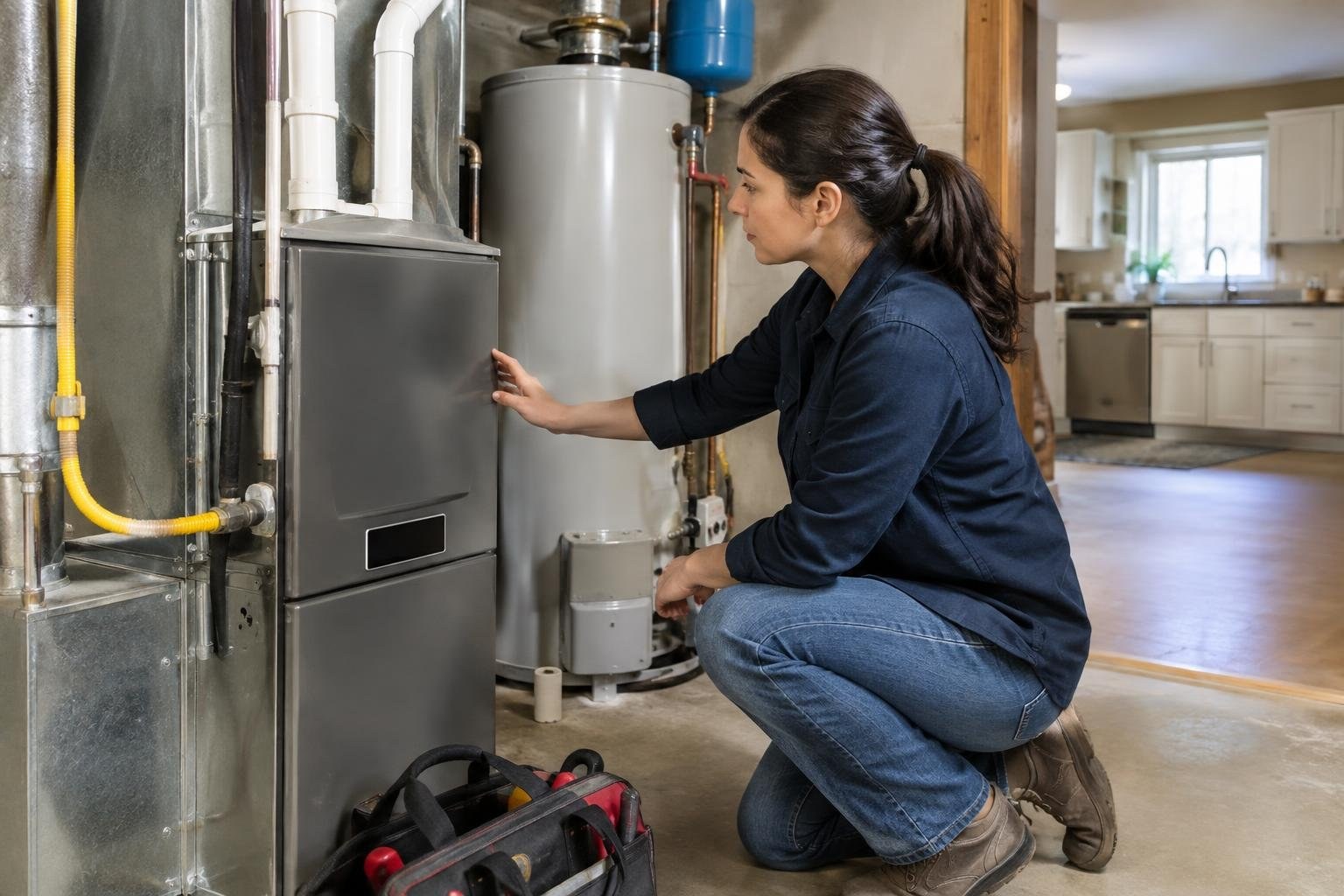
Why home components fail without much warning
Every home depends on connected systems for comfort, water, electricity, security, and basic daily use. A failure in one area can be inconvenient, while an unnoticed leak, electrical problem, or structural concern may create a more serious project. The point of maintenance is not to predict every breakdown. It is to notice changes, keep useful records, and respond before a small concern has more time to develop.
Home systems can be grouped into networks: air and ventilation, water, electrical power and appliances, security, and the building itself. A problem may be visible, such as peeling paint or a broken fixture, or hidden behind a wall or in a vent. Treat new symptoms as a prompt to investigate rather than as a diagnosis.
What a home maintenance review includes
A useful home maintenance review is a process, not a single repair. Start by noting the system or area, what changed, when you first noticed it, and whether the symptom is recurring. Check product instructions and service records, then decide whether the issue is safe for a basic owner check or needs professional assessment.
- Observe: Look for visible wear, leaks, corrosion, damaged fixtures, and changes in normal operation.
- Record: Photograph visible conditions when useful and keep dates, service notes, and product details together.
- Prioritize: Treat potential electrical, water, structural, or pest-related damage as more urgent than a cosmetic issue.
- Get a diagnosis: Describe the symptoms and ask the provider to explain the cause and proposed scope.
- Review the work: Keep the estimate, invoice, warranty information, and any follow-up instructions.
This approach helps you communicate clearly without attempting work that calls for professional skills.
Signs a home system may need attention
Potential warning signs vary by system. Use this as a prompt list, not a complete diagnostic guide:
- Dryer vent: If the vent or dryer performance seems different, arrange an appropriate check rather than assuming the cause.
- HVAC: Pay attention to changes in operation and visible signs such as corrosion or leakage.
- Plumbing and water heater: Look for leaks or changes in hot-water service. A water heater that appears to be deteriorating deserves timely attention.
- Electrical: Frayed wiring, loose outlets, overloaded circuits, and aging electrical equipment are concerns that should not be dismissed.
- Security: Test whether alarms and locks respond as expected, following the product instructions.
- Building surfaces and structure: Cracked or peeling finishes, crumbling masonry, makeshift repairs, and broken fixtures can signal deferred maintenance. Investigate changes rather than covering them up.
- Pests: If you suspect wood-damaging insects or other pests, seek an appropriate assessment.
One symptom can have several possible causes. Avoid replacing a component based only on a guess.
Cost and pricing considerations
There is no reliable one-price answer for a category as broad as home repairs. The cost depends on what is wrong and what the project actually requires. A provider may need to diagnose the issue before estimating a repair, and a repair quote is not automatically comparable to a replacement quote.
Ask each provider to separate, where applicable, the inspection or diagnostic visit, labor, parts or materials, repair work, replacement work, and any recommended follow-up. Find out what the estimate excludes and whether additional work requires your approval. Get the proposed scope in writing, especially when the cause is uncertain.
Compare the full scope and warranty terms, not only the total. If two estimates differ, ask what explains the difference. Avoid approving work based on a vague promise to fix “the system” without a description of the problem and intended result.
Factors That Affect the Project
The work required, access to the affected area, and the condition of related components can all change a project's estimate, schedule, and recommended approach. Consider these factors when discussing the scope:
- Cause and extent: A visible symptom may not show how much work is needed. Ask what the provider has confirmed and what remains uncertain.
- Access: A component that is difficult to reach may require more work than one that is readily accessible. Ask whether the estimate accounts for the access needed.
- Repair versus replacement: The component's condition and whether a suitable repair is available affect the options. Ask the provider to explain why they recommend one approach over another.
- Related damage: A leak, pest issue, or deferred maintenance may involve more than the first visible spot. For example, ask whether any additional affected areas need assessment before approving the work.
- Parts and project scope: The product, materials, and amount of work can change the estimate. Request a written description of what is included and excluded.
- Property records: Prior repairs, service notes, and product information can help clarify what has already been tried. Share relevant records and ask the provider to distinguish confirmed findings from possibilities.
These factors can explain why estimates or schedules differ. Compare proposals that describe the same work, and ask how the provider will get your approval if the scope changes after diagnosis.
Repair, replace, or monitor: compare the options
When a component has a problem, the main choice is often whether to monitor, repair, or replace it. Each has a different role:
| Approach | May fit when | What to clarify |
|---|---|---|
| Monitor | A qualified assessment finds no immediate repair is needed. | What change should trigger another call, and when should it be checked again? |
| Repair | The cause is understood and the proposed fix addresses it. | What is included, what is excluded, and what warranty applies? |
| Replace | Repair is not suitable or the provider explains why replacement is the better scope. | What product and installation work are included, and what happens to the old component? |
For a water heater, for example, routine care and attention to signs of deterioration can help an owner consider replacement before a failure causes damage. That does not mean every symptom calls for replacement. Ask for the reasoning behind the recommendation and compare alternatives when practical.
What to expect, including timing
Timing depends on the system, the diagnosis, the scope, access, and whether parts or additional work are needed. A simple assessment and a larger repair are not the same kind of visit, so avoid relying on a generic promise about how long every project takes.
When booking, describe the symptoms, when they began, and any steps already taken. Ask whether the visit is diagnostic or includes repair, what could change the schedule, and how the provider will get approval if they find additional work. For a project involving a leak, suspected electrical damage, or a safety concern, explain that clearly when requesting service.
Before work begins, agree on the scope and how you will be updated. Afterward, ask what was repaired, whether any follow-up is recommended, and which documents or product instructions you should keep.
How to choose a qualified provider
Choose a provider whose experience matches the system and work involved. Before hiring, ask:
- Have you handled this type of component and symptom?
- What do you need to inspect before recommending a repair?
- Will you provide a written, itemized scope and estimate?
- What is excluded, and will you request approval before adding work?
- What warranty applies to labor and any parts or products?
- Which credentials or licensing apply to this work in my area?
For a complex or costly job, compare estimates that describe the same work. A lower total may reflect a narrower scope, different parts, or work left out. Check references or reviews where available, but focus on whether the provider answers questions clearly and documents the agreement.
Permits, credentials, warranties, and safety
Rules and credential requirements can vary by location and by the type of work. Before approving a project, ask the provider which permits, inspections, or local requirements may apply and who is responsible for handling them. Confirm any required credentials with the relevant local authority rather than assuming one rule applies everywhere.
Safety comes first. Do not handle exposed or damaged wiring, take apart equipment you are not qualified to service, or enter an area that may be unsafe. Electrical warning signs deserve prompt attention because damaged wiring, loose outlets, overloaded circuits, and outdated equipment can be serious concerns. If there is an immediate threat, keep away and seek appropriate emergency help.
Review warranty terms before work starts. Ask what is covered, for how long, what could void coverage, and how to request service. Keep warranties, permits, estimates, and invoices with your maintenance records.
How to reduce costs without taking unsafe shortcuts
Saving money safely begins with better information, not skipping necessary work. Keep a maintenance notebook with product details, service dates, repairs, and recurring symptoms. A record can help you explain a problem without paying for the same guesswork twice.
- Group non-urgent questions for a scheduled service visit, but do not delay a safety concern or active leak.
- Follow product instructions for routine care instead of improvising a cleaning or repair method.
- Ask whether a diagnostic fee is separate from the repair and whether it is credited toward approved work.
- Compare written estimates with the same scope, and ask what is essential versus optional.
- Ask about maintenance that may help extend a component’s useful life, without treating maintenance as a guarantee against failure.
Do not save money by ignoring a warning sign, using makeshift wiring or plumbing, or attempting work that could expose you to electrical, water, or equipment hazards.
Mistakes, red flags, and a practical checklist
Common mistakes can turn a manageable concern into a confusing or unsafe project. Use this quick checklist before and during a repair:
- Do not assume one symptom proves one cause. A device that stops working may be affected by another part of the system. Record what you observe and request a diagnosis.
- Do not cover up visible damage. Peeling surfaces, crumbling masonry, makeshift wiring, and broken fixtures may be signs of wider maintenance needs.
- Do not ignore hidden areas. Vents, plumbing, and spaces behind walls can matter even when the problem is not obvious.
- Do not accept an unclear quote. Get the work, exclusions, cost, and approval process in writing.
- Do not overlook the warranty or follow-up. Keep service records and ask what to monitor after the repair.
Before you close out a project, confirm that the agreed work is complete, ask what was found, and save the paperwork. If the same symptom returns, the record will help explain the history to the next provider.
Frequently asked questions
What home components commonly fail without warning?
Commonly overlooked components include dryer vents, heating and cooling equipment, plumbing fixtures, water heaters, electrical outlets and wiring, alarm systems, and parts of the home that may be affected by pests. The exact risks vary by property and maintenance history.
What are signs that something in my home may be failing?
Look for changes such as a new leak, reduced hot water, an HVAC system that is not performing as expected, a dryer vent that needs attention, a loose outlet, or a security alarm that does not respond as expected. A warning sign is a reason to investigate, not proof of a specific failure.
How much does it cost to repair common home problems?
There is no single cost for home maintenance or repair. Price depends on the component, the cause and extent of the problem, access to the area, parts or replacement needs, and the provider’s scope of work. Request written, itemized estimates for comparable work.
How can I prevent unexpected home repairs?
A useful routine is to pay attention to changes in how systems look, sound, and operate; follow product instructions for routine care; and keep a record of inspections, repairs, and recurring issues. Have qualified professionals assess work that involves safety risks or an unclear cause.
When should I call a professional for a home maintenance problem?
Contact an appropriate professional when the problem involves electrical concerns, active or recurring water leaks, structural changes, suspected pests, or equipment you cannot safely inspect or service. If there is immediate danger, prioritize safety and contact emergency services where appropriate.
How do I choose a reliable home repair contractor?
Ask for relevant licensing or credentials required in your area, proof of insurance where applicable, a written scope, an itemized estimate, and clear warranty terms. For a complex or costly project, compare more than one qualified provider when practical.
People Also Ask
Which parts of a house are most likely to fail?
Dryer vents can clog, HVAC equipment can corrode or leak, and plumbing fixtures and water heaters can develop problems. Electrical components and alarm systems can also stop working as expected. Regular attention may help you notice changes sooner, but it cannot guarantee that a failure will be prevented.
What are the early warning signs of home repairs?
Pay attention to new leaks, changes in system performance, visible wear, unusual smells or sounds, and devices that no longer respond normally. Record when the issue began and whether it is getting worse.
Can regular home maintenance prevent sudden failures?
A maintenance plan can help you keep track of a home's condition and identify issues to investigate. It cannot prevent every sudden breakdown, so keep a record and respond promptly when something changes.
How often should home systems be inspected?
There is no universal replacement timeline that fits every product and home. Check the product information, available service records, observed condition, and advice from a qualified professional before deciding whether to repair or replace.
What should I do if a home system fails suddenly?
Stop using equipment if you believe it may be unsafe, keep people away from the affected area, and contact an appropriate qualified professional. For an immediate threat to life or property, contact emergency services as appropriate.
What should I include in a home maintenance checklist?
Keep records of service, repairs, product information, and recurring symptoms. A maintenance notebook can make it easier to explain the issue and see whether the same problem is returning.
A home rarely gives a perfect warning before a component fails, but routine attention can help you spot changes while there is still time to investigate. Check the systems you rely on, record what you observe, and treat water, electrical, structural, and pest concerns seriously. When a repair is beyond your skills or the cause is unclear, compare qualified providers and ask for a written scope before work begins.
Your next step
Compare home-service options, get informed about your project, and search for providers on Estimate.org.
Browse qualified providersLearn more about a Management or Concierge Plan
Last reviewed and updated October 5, 2026 by the Housemanagers.com Editorial Team.
Sources
- What home maintenance issues to expect after a decade or so in a home – Bogleheads.org
- Ten Most Common House Problems – InterNACHI®
- r/HomeImprovement on Reddit: New Homeowner – what are common home maintenance issues?
- The 11 Most Frustrating Home Repairs – Choice Home Warranty
- Home Failure Points & How to Address Them | Resideo
- r/Home on Reddit: What’s the one home issue no one warned you about until after you moved in?
- Hidden Home Maintenance Issues That Can Turn Costly Fast – Rosie On The House
- Before It Breaks: Common Home System Issues To Watch For