
An empty home can still need regular attention. A missed letter, an unlocked entry, or an issue that goes unnoticed may leave you with more to sort out later. Whether you are away for a season, managing a second home, or between occupants, a simple written routine makes it easier to spot changes and arrange help. Start with the entry points and exterior, then look for visible concerns inside, handle mail and routine tasks, and record what you find. The checklist below explains what to inspect, how to plan visits, and when to consider help from someone you trust or a property manager.
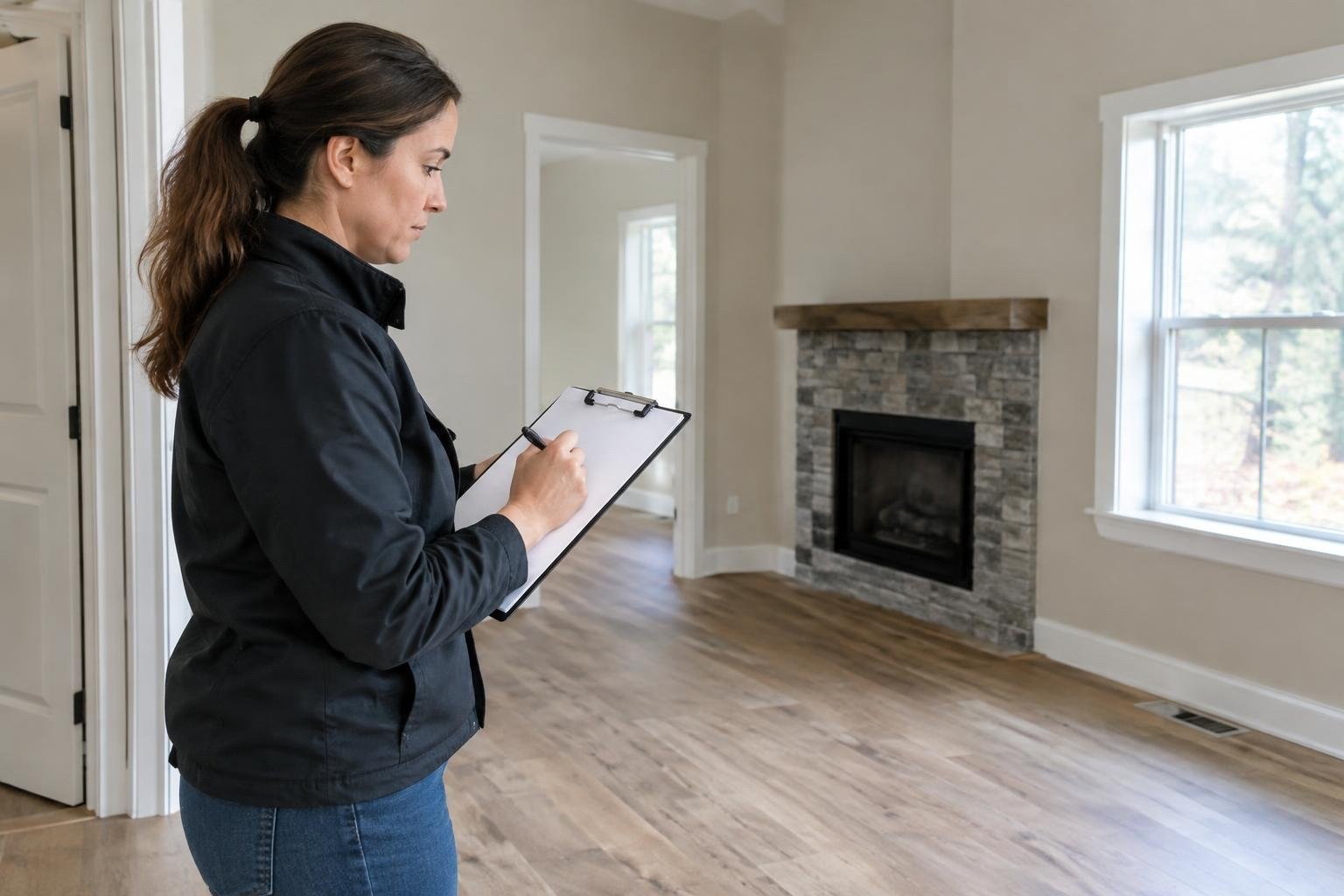
Why regular checks matter for an empty home
A home does not stop needing attention when nobody is living in it. A second home or holiday property still requires upkeep, and an unattended issue may go unnoticed until a later visit. Regular checks help you notice changes and arrange a response rather than relying on memory or a neighbor's occasional glance.
Think of a check as a repeatable condition report, not just a walk through the front door. It should cover the exterior, entry points, visible interior condition, mail, and any routine tasks agreed for that property. A trusted friend, neighbor, or property manager can help if you are away or live far from the home.
The goal is not to predict every problem. It is to create a clear routine, know who is responsible, and have a way to pass along concerns while they are still manageable.
What to inspect inside the home
Begin each visit with the places where a change would be easiest to spot. Confirm that doors and windows appear securely locked. Look over the rooms for visible signs of water, damage, unusual odors, or anything out of place. Do not assume a quick pass through the main room is a complete check.
- Check entry points and note anything that looks disturbed or damaged.
- Scan ceilings, walls, and floors for visible signs of a leak or other change.
- Look at accessible plumbing areas and follow the home's agreed routine, such as flushing toilets when appropriate.
- Collect or check for mail, newspapers, packages, flyers, and leaflets.
- Write down concerns, even if they appear minor, and send the owner a clear update.
Tailor the list to the actual home. The person checking should know which rooms and systems are included, which tasks are not authorized, and whom to contact if they find a problem.
Inspect the exterior and signs of vacancy
Walk around the property and look at it as someone arriving for the first time would. Check visible doors and windows, and note anything that appears open, damaged, or different from the last visit. Accumulated mail and an unattended-looking exterior can signal that a home is empty.
Plan how bins and deliveries will be handled. One checklist recommends putting bins out for collection and storing them away afterward, while keeping them from creating an easy way to reach windows. Arrange for mail and newspapers to be forwarded or collected so they do not build up. Ask the person checking to report unusual items rather than trying to resolve an unfamiliar issue without permission.
After severe weather, include an exterior look in the follow-up visit. The supplied guidance specifically recommends more frequent inspections before and after storms. Do not assume that an earlier check still reflects the home's current condition.
What a home-check service can include
A useful home-check arrangement has three parts: a repeat schedule, a defined list of tasks, and a reliable way to report findings. A visit might include looking at entry points, scanning the interior and exterior, collecting mail, completing agreed routine tasks, and sending a dated update.
Before the first visit, walk through the home with the person who will check it, if possible. Point out areas that need attention and make clear what should trigger an immediate call. Keep instructions concise and available to anyone covering a visit. Include your preferred contact method and an alternate contact for times you cannot respond.
Some owners arrange checks through a trusted person. Others use property management support, especially when they need a more formal plan or cannot visit easily. A property manager may be able to provide oversight, but confirm the exact tasks and reporting included rather than assuming all providers offer the same service.
Signs your home may need more frequent attention
Consider arranging regular checks if you expect the home to be empty for a period and cannot visit reliably yourself. Other reasons to formalize a plan include having no nearby person you can depend on, wanting documented visits, or needing routine tasks completed while you are away.
Pay attention to practical warning signs between visits. Mail, newspapers, flyers, or packages accumulating at the property are visible signs that collection arrangements may not be working. A change in the condition of an entry point, an unusual mark, or a concern reported by a neighbor deserves follow-up rather than being left for the next scheduled visit.
These signs do not prove a particular problem has occurred. They are reasons to check the home, clarify responsibilities, and adjust the plan if the current arrangement is not reliable.
How often should an unoccupied home be checked?
Set a repeat schedule before the home is left empty. Weekly checks are described as ideal in the supplied guidance, but that should be treated as a planning reference, not an automatic rule for every property. The right cadence depends on the home's circumstances and the tasks you need covered.
Plan additional attention around conditions that call for it. The research recommends more frequent inspections before and after storms, and notes that hot, humid conditions can make regular monitoring important. If a storm is forecast or has just passed, consider whether a visit is needed sooner than the normal routine.
Make each visit useful by recording the date, who attended, what was checked, and any action needed. If the person responsible cannot attend, identify a backup in advance. A schedule that exists only in someone's memory is easy to miss.
Cost and pricing: compare the work, not just the quote
There is no supported universal price for an unoccupied-home check. Costs depend on what you ask someone to do, how often visits occur, and whether the arrangement covers only observation or also routine tasks and follow-up. Get written quotes for the same scope so you can make a fair comparison.
Ask each provider to clarify:
- How many visits are included and how often they happen.
- Which interior and exterior areas are checked.
- Whether mail collection, toilet flushing, or other routine tasks are included.
- How visits are documented and how quickly concerns are reported.
- How extra work is approved and charged.
Also consider the time and coordination involved in relying on an informal arrangement. A low-cost option may not fit if it cannot reliably cover the tasks you need. Compare value by matching the service to the home, not just by choosing the shortest quote.
Factors that affect the right plan
The scope of a home-check plan should reflect the property and the situation. A home that is empty briefly may need a different arrangement from a second home left vacant for a longer period. Distance from the property, the number of areas to inspect, the need for routine tasks, and the expected frequency of visits all affect how much coordination is involved.
Seasonal and weather conditions matter to planning, too. Guidance recommends closer attention before and after storms and regular monitoring in hot, humid areas. If the property is in an area where these conditions apply, ask providers how the schedule can adapt rather than relying on a fixed calendar all year.
Finally, consider how quickly you can respond to a report. A check is more useful when findings reach someone who can make a decision. Establish who will be contacted, how urgent concerns are communicated, and what the provider should do if you cannot be reached.
Compare DIY checks, trusted helpers, providers, and devices
There are three common approaches to consider: checking the home yourself, asking someone you trust, or arranging professional property oversight. Each can work when it matches the home's needs and the person's availability.
| Approach | May suit you when | Confirm before relying on it |
|---|---|---|
| Owner visits | You can reach the property regularly. | That your schedule allows consistent checks. |
| Trusted friend or neighbor | You have someone willing and able to visit. | The visit schedule, checklist, and backup plan. |
| Property management support | You want a more formal arrangement or are far away. | Exact tasks, reporting, availability, and extra-work terms. |
Smart-home devices can provide another layer of monitoring, but they are not the same as an in-person visit. Devices do not automatically complete physical tasks or collect mail. For some homes, a combination of remote monitoring and scheduled visits may better match the owner's needs.
What to expect: scheduling, visit reports, and follow-up
Before the first visit, agree on the schedule, the checklist, and how updates will be sent. Ask for a brief report after each visit, including the date, what was checked, and any follow-up needed. Decide how quickly the checker should contact you if something appears urgent, and identify someone who can act if you are unavailable.
Expect the routine to change when circumstances do. A storm or a change in the home's status may call for a visit outside the usual schedule. Build in a way to request an extra check and confirm how it will be handled. Do not treat a planned visit as proof that the property was actually inspected; keep confirmation in your records.
For professional support, ask how the provider handles missed visits, staff coverage, and updates. These questions help reveal whether the plan can work consistently, not just whether the first visit sounds thorough.
How to choose a qualified home-check provider
Choose a person or provider based on reliability and clarity, not a broad promise of peace of mind. Ask for a sample checklist or report and confirm what a routine visit includes. A provider should be able to explain how often visits occur, how they communicate findings, and what happens when an issue needs attention.
- Can they follow the schedule you need, including an agreed backup plan?
- Which rooms, entry points, and exterior areas are included?
- How are visit dates and observations documented?
- Who receives an urgent report, and how is it delivered?
- What work requires your approval before it begins?
Speak with more than one provider if you are comparing professional options. Use the same questions and checklist for each conversation. A clear description of limits matters as much as a list of included tasks: you should know what the provider will report, what they will not do, and how additional help is arranged.
Credentials, permissions, safety, and insurance questions
Before hiring someone, ask what qualifications, references, insurance, or other documentation are relevant to the work they will perform. The available guidance does not establish one credential or permit that applies to every home-check arrangement, so do not assume a title alone proves the service is suitable. Confirm requirements that apply to your property and location directly with the appropriate local authority or your insurer.
Agree in writing on access, the visit checklist, reporting, and the limits of the provider's authority. Clarify whether they may arrange repairs, enter specific areas, or handle a concern only after receiving your approval. Ask how keys or access details are protected and who may use them.
Do not treat a routine visual check as a guarantee that the home is problem-free or that a particular insurance condition has been met. Review your policy and provider agreement, and keep copies of visit records and communications.
Ways to save safely without leaving gaps
You can control costs without cutting out the checks the home needs. Start by making a precise list of tasks and asking for a quote based on that scope. Avoid paying for overlapping services, but do not remove a visit or task simply because it is hard to describe. Ask the provider to explain the options and the effect of changing the schedule.
Other practical steps can reduce avoidable coordination:
- Arrange mail collection or forwarding before departure.
- Keep a single written checklist and contact plan for everyone involved.
- Group routine tasks into one visit when that meets the home's needs.
- Ask whether the provider offers different visit frequencies or reporting levels.
- Make sure extra work requires your approval and a clear price before it begins.
Do not rely on a vague promise from a helper to save money. Agree on who will visit, when, what they will check, and how you will know the visit happened.
Mistakes to avoid and a departure checklist
Common gaps are easy to prevent with a few clear agreements. Do not assume that stopping mail delivery means the property will stay clear; flyers and other items can still accumulate. Do not rely on a smart device as a full substitute for physical visits when the home needs someone to collect items or inspect visible areas. And do not leave responsibility with a person who has not agreed to a schedule.
Use this departure checklist:
- Choose the person or provider responsible for checks and name a backup.
- Write down the visit frequency and the rooms and exterior areas to inspect.
- Confirm that doors and windows are secured before leaving.
- Arrange mail and newspaper collection or forwarding.
- List agreed routine tasks and any limits on what the checker may do.
- Set a method for dated reports and urgent contact.
- Plan additional checks before and after storms when appropriate.
- Review the arrangement after the first visit and adjust unclear steps.
A checklist works only when it reflects the actual property and the person checking can follow it. Keep it practical, specific, and easy to update.
Frequently asked questions
What should be checked in an unoccupied home?
Check that windows and doors are secured, look for visible signs of leaks or damage, collect mail and packages, and scan the exterior for anything unusual. A written checklist helps keep visits consistent. Include routine tasks appropriate for the home, such as flushing toilets, and record anything that needs follow-up.
How often should an empty house be checked?
A weekly visit is a useful planning starting point cited in the supplied guidance, with more frequent checks suggested around storms and in hot, humid conditions. The right schedule depends on the property and circumstances. Check your insurance terms and local conditions rather than treating one interval as a universal rule.
Can a neighbor check on my vacant home?
A trusted friend, neighbor, or professional property manager may be able to check on the home. Choose someone who can follow a written checklist, contact you promptly, and explain what they observed. If the home needs ongoing attention, compare the scope and reporting practices of available providers.
How much does vacant home monitoring cost?
There is no supported universal price for an unoccupied-home check. Ask providers what a visit includes, how often they come, whether they document findings, and how additional work is handled. Compare written quotes based on the same checklist and schedule.
Are smart home devices enough to monitor an empty home?
A smart device can help you monitor a property, but it does not replace every in-person check. Devices cannot necessarily collect mail, inspect all visible areas, or complete routine tasks. Consider using technology alongside a trusted person or provider if the home needs physical attention.
People Also Ask
What is included in an unoccupied home check?
Start with locked doors and windows, then inspect the visible condition of the exterior and interior. Check for signs that something has changed, collect mail or arrange for it to be picked up, and complete any routine tasks on your property-specific list. Document the visit and report concerns promptly.
How often should someone inspect a vacant house?
Use a schedule that reflects the home, the length of time it will be empty, and conditions that could affect it. The supplied guidance describes weekly checks as a useful baseline and recommends more attention before and after storms and in hot, humid areas. Confirm what schedule makes sense for your property.
Who can look after my house while I am away?
A person who can make regular visits and communicate promptly may be a practical choice. That could be a trusted friend or neighbor, or a property management provider. Compare their availability, what they will inspect, how they document visits, and how they handle an issue they cannot resolve.
Should I use a home manager or smart devices for a vacant property?
A smart-home device can provide monitoring, while an in-person visit can address physical tasks such as collecting mail and checking visible areas. They serve different purposes. Consider whether the home needs only remote alerts or also someone to walk through it and report observations.
How do I prepare a house before leaving it empty?
Make a written checklist, arrange for mail and newspapers to be collected or forwarded, and plan visits before leaving. Ask the person checking to keep a record and contact you when something looks wrong. Avoid relying on an informal arrangement unless the person has agreed to the schedule and responsibilities.
What should I ask a vacant home inspection service?
Compare quotes by scope rather than by headline price alone. Confirm visit frequency, areas checked, documentation, communication, and how any additional work is approved. This makes it easier to compare providers on the same basis without assuming that every service includes the same tasks.
An unoccupied home needs more than a quick glance. A consistent check of entry points, visible signs of trouble, mail, plumbing and the exterior can help you notice problems while they are easier to address. Set a schedule that fits the home and its risks, keep a written record, and make sure the person checking knows how to reach you and what to do if something is wrong. If you want help comparing support options, explore home management options and providers at HouseManagers.com.
Your next step
Explore home management options and providers at HouseManagers.com.
Browse qualified providersLearn more about a Management or Concierge Plan
Last reviewed and updated October 19, 2026 by the Housemanagers.com Editorial Team.
Sources
- How to keep your home safe while away – Everywhen
- Unoccupied Home Checklist Arrange for mail/packages to be held or collected.
- Do I Need Someone to Check on My Vacation Home? – Torrente Property Management
- Maintain an Unoccupied Home [Guide] | Estate Sitting
- Unoccupied Home Safety Checklist | Towergate
- Caring for Your Empty Home: A Monterey Bay Guide – Torrente Property Management
- How Do I Keep an Empty House Safe? A Guide to Keeping Your Unoccupied Home Protected – Cross Insurance
- How Often Should a Home Be Checked When Vacant?