
An empty home can look fine from the outside while a slow leak, appliance failure, storm-related opening, or break-in goes unnoticed inside. When no one is there to spot a problem, even a manageable issue can continue and cause further damage. The right prevention plan is not simply to lock the doors and leave. It means understanding the home’s risks, confirming what your insurance requires, and deciding who will check the property and act if something is wrong.
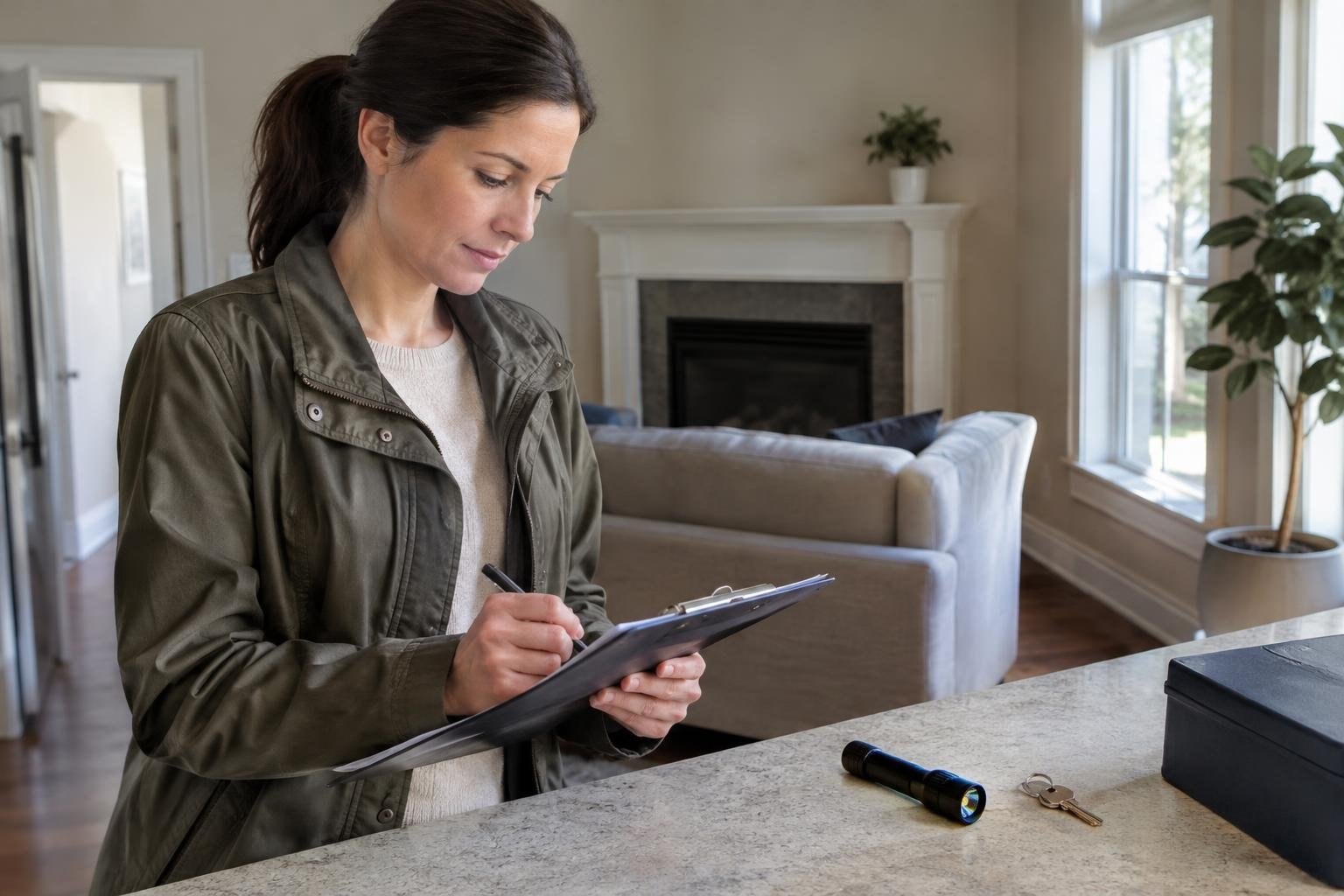
Why an unoccupied home needs a plan
An unoccupied home loses the everyday oversight that comes from people using it. A resident might hear water running, notice a damp patch, or see that a door has been disturbed. If no one is present, a problem can remain hidden while damage develops.
Research identifies leaks, burst pipes, theft, vandalism, weather damage, appliance problems, and deterioration among the risks. The practical concern is often not just that something fails, but that no one discovers it promptly.
That matters for a primary residence left empty during a long trip as much as for a second home between stays. Before leaving, make a plan for checks, reporting, and decisions about urgent work. Also ask your insurer what rules apply to your specific policy; do not rely on a general vacancy threshold.
What a home-check service can include
A property-check arrangement is only useful when both sides know what it covers. There is no reason to assume every provider performs the same tasks or offers the same response. Treat the service as a scope to define, not a standard package.
Discuss whether visits include a visual walk-through, checks for signs of leaks or damage, observation of doors and windows, and a report to you after each visit. Ask what the provider will do if they find a concern, how quickly they will contact you, and whether they can arrange or oversee further work.
Agree on access, visit timing, emergency contacts, and what decisions the provider may make without reaching you. A useful written plan distinguishes routine observation from repairs, specialist inspections, and emergency services.
Signs you may need regular property checks
Consider arranging regular oversight when the home will be empty for an extended period, when you cannot visit easily, or when a known issue could worsen without attention. A history of plumbing concerns, an older appliance you are monitoring, or a property exposed to severe weather may make a clear checking plan especially valuable. These are reasons to plan, not proof that a particular service is required.
Also pay attention to changes that make a previous plan inadequate. A longer absence, a new leak, storm damage, a break-in, or a change in who can access the property should prompt a review. The point is to make sure someone can notice a problem and reach the person authorized to act.
If you are unsure whether an issue needs a specialist, ask a qualified tradesperson or relevant professional to assess it rather than asking a routine visitor to diagnose it.
Problems that may go unnoticed
Water is a particularly important risk to plan for because a supply-line leak, failed water heater, or dripping shutoff valve may continue without being noticed. Water damage can also be harder to discover when nobody is present to hear running water or see a wet floor.
Other concerns include break-ins and vandalism, damage after storms or other weather events, malfunctioning appliances, and deterioration of pipes, wiring, or structural elements. In a vacant property, a small fire can also become more serious if no one is there to respond promptly.
Do not assume that closing up the home eliminates these risks. Instead, decide what a visitor can observe safely and how they should report a concern. Any suspected electrical, gas, structural, or fire hazard calls for appropriate professional or emergency help, not an improvised inspection.
Cost and pricing: what to compare
There is no reliable universal price to quote for unoccupied-home checks based on the information available here. Ask providers for a written proposal that explains what you are buying before comparing fees.
Clarify the planned visit frequency, the checks included, how findings are documented, how quickly the provider reports concerns, and what happens if a visit cannot be completed. Ask whether extra visits, urgent callouts, repairs, or coordination with other professionals cost more. Get the charges and authorization limits in writing.
Compare the total scope rather than choosing the lowest headline price. A lower quote may leave out reporting or response steps that matter to you. Conversely, do not pay for tasks you do not need or that the provider is not qualified to perform. If a quote is vague, ask for a revised version that makes the service measurable.
Factors that affect the plan and its price
The right oversight plan depends on what could go wrong at your property and how quickly you can respond. A home with plumbing concerns may call for clear attention to visible signs of water, while a home that has experienced a break-in may need a stronger access and reporting plan. Weather exposure, the condition of appliances, and the length of the absence are also sensible points to discuss.
Consider the distance between you and the property, how many people can enter, whether someone is available to make decisions, and what happens if you cannot be reached. These details affect the usefulness of a plan even when the visit itself is straightforward.
Ask each provider to explain how their proposed scope addresses your specific concerns. Do not treat a generic checklist as a substitute for discussing known defects or professional assessments.
Options: self-checks, local contacts, or providers
Owners commonly compare three approaches: checking the property themselves, asking a trusted local contact, or hiring a provider. Each can work differently depending on distance, availability, and the level of documentation and response you want.
- Self-checks: You control the visit and decisions, but this is only practical when you can get there reliably.
- Trusted contact: A neighbor or friend may notice an issue, but agree on what they will check and how they should reach you. Do not assume they can handle repairs or emergencies.
- Provider: A professional arrangement can set a defined schedule and reporting process. Verify the provider’s scope, qualifications, and charges rather than assuming all services are alike.
Whichever option you choose, it should include a backup contact and a clear way to authorize next steps. A visit without a reporting or response plan may not solve the problem of delayed discovery.
What to expect and how to set timing
Before the home is left empty, confirm who will check it, how often, and how reports will reach you. Ask the insurer whether it requires particular precautions or visits. Set out who can authorize urgent work and what the provider should do if you are unreachable.
During the arrangement, request a record after each visit and a prompt call or message for anything that needs attention. The schedule should reflect the length of the absence and any relevant policy requirements. There is no one inspection interval that can be recommended for every home from the available evidence.
After a storm, a report of a break-in, or a newly discovered defect, reassess the plan and arrange appropriate help. A routine property check is not a guarantee against damage and should not replace specialist inspections when a concern calls for one.
How to choose a qualified provider
Choose a provider by examining the actual service, not just its name or advertising. Request a written scope and ask for a sample of the report format, the process for urgent concerns, and the expected response when they cannot reach you.
Ask who will enter the home, how access is managed, whether visits are documented, and what tasks are outside the service. Confirm the provider’s relevant qualifications for any specialized work they propose to do. A general property check should not be presented as a substitute for licensed trade work or a professional inspection where one is needed.
Compare references or reviews where available, but also ask direct questions about your property’s risks. A suitable provider should be able to explain the limits of the service and how they will escalate a problem rather than promising that no damage will occur.
Insurance, credentials, and safety questions
Insurance terms can change what precautions are important. Do not rely on a broad online statement that a policy stops covering a home after a specific number of empty days. The available guidance identifies vacancy as a factor that may affect coverage, but the applicable terms depend on your policy and situation.
Contact your insurer before the absence. Ask how it defines an unoccupied or vacant property, whether any time limit or inspection condition applies, what losses may be restricted, and whether you need a different policy or endorsement. Ask for the response in writing and keep it with your home records.
For provider safety, put access permissions and emergency instructions in writing. Do not ask a visitor to operate unfamiliar equipment, handle suspected hazards, or perform work beyond their qualifications. If there is a possible fire, gas, or electrical emergency, use the appropriate emergency response rather than waiting for a routine report.
Ways to control costs without cutting corners
You can manage costs safely by matching the service to the actual risks rather than buying a vague, oversized package. Ask for separate prices for routine checks and optional tasks, then choose a schedule that meets your needs and any insurer requirements. Avoid cutting visits or omitting a concern just to lower a quote without first understanding the possible consequences.
Prepare a concise property information sheet with known issues, shutoff locations if known, emergency contacts, and instructions for getting approval before non-urgent work. Clear information can help avoid confusion and unapproved expenses. Ask whether a provider charges extra for additional visits or urgent calls so you can budget for those scenarios.
Do not try to save money by asking an unqualified person to repair wiring, plumbing, gas equipment, or structural damage. A property check can help identify a visible concern, but it is not a repair or a guarantee of coverage.
Common mistakes and a practical checklist
Use this checklist before leaving:
- Tell your insurer how long the home will be empty and ask what policy terms apply.
- Choose who will check the property and set a written visit and reporting plan.
- Share emergency contacts, access instructions, and spending or repair authorization limits.
- List known plumbing, appliance, weather, or security concerns.
- Decide how the provider should respond if you cannot be reached.
- Keep visit records and review the plan after a new incident or change in the length of your absence.
Avoid common mistakes: assuming a neighbor will notice everything, relying on a generic vacancy rule, treating a visual check as a technical inspection, or leaving the provider without authority to escalate an urgent concern. Red flags include unclear fees, no written scope, vague reports, and promises that the home will be fully protected.
Frequently asked questions
What can go wrong in an unoccupied home?
Common problems include undetected plumbing leaks or burst pipes, weather damage, theft, vandalism, appliance failures, and deterioration. Without someone checking the property, damage can continue before it is discovered.
How often should an empty home be checked?
There is no universal inspection schedule that fits every home. Set a schedule based on how long the home will be empty, its known risks, and your insurer’s requirements. Arrange additional checks after severe weather or other concerns when appropriate.
Does homeowners insurance cover an unoccupied home?
Do not assume a standard homeowners policy covers every period of vacancy or every loss. Ask your insurer how it defines an unoccupied or vacant home, what coverage applies, and whether you need to take specific steps.
How much does it cost to have someone check an unoccupied home?
There is no supported standard price for this service. Request written quotes that explain visit frequency, included checks, reporting, emergency response, and any additional charges, then compare the scope rather than price alone.
People Also Ask
What is the biggest risk of leaving a house empty?
Water can escape from a leaking supply line, failed water heater, or dripping shutoff valve and remain unnoticed for an extended period. A longer delay before discovery can mean more water damage.
What damage can a small leak cause in an empty house?
A small leak may continue without anyone hearing running water or seeing a wet floor. Other warning signs include evidence of forced entry, damaged windows, water stains, or an appliance that has stopped working.
How often should someone inspect a vacant property?
No single inspection frequency is right for every property. Consider the home’s condition and exposure, how long it will be empty, and any instructions from your insurer when setting a check schedule.
Will insurance pay for damage to a vacant house?
Not necessarily. Coverage can depend on the policy, the length and nature of the absence, and the circumstances of the loss. Confirm the terms directly with your insurer before you leave.
What does an unoccupied home check include?
A provider’s visit may be arranged to look for visible signs of problems, document conditions, and contact the owner when something needs attention. Define the scope, reporting, and response steps in writing rather than assuming all providers offer the same service.
How do I choose a home watch provider?
Compare the written scope, visit schedule, documentation, emergency contact process, and charges for extra work. Ask how the provider handles a concern they cannot resolve during a visit.
An unoccupied home can develop serious problems before anyone notices: leaks may continue, weather damage can spread, and theft or vandalism may go undiscovered. A practical prevention plan combines regular checks, clear escalation instructions, appropriate insurance, and a reliable person who can respond. Match the plan to the home’s risks and the length of time it will be empty, then review it whenever circumstances change.
Your next step
Explore home management options and providers at HouseManagers.com.
Browse qualified providersLearn more about a Management or Concierge Plan
Last reviewed and updated October 19, 2026 by the Housemanagers.com Editorial Team.
Sources
- Why Empty Properties Are a Magnet for Problems (And How to Prevent Them) – Anglotopia.net
- Secondary Home Homeowners Insurance: What You Need to Know | Openly
- Why an Unoccupied Home Is More Vulnerable Than You Think
- How Do I Keep an Empty House Safe? A Guide to Keeping Your Unoccupied Home Protected – Cross Insurance
- How Seasonal and Second-Home Owners Can Protect Their Property – Torrente Property Management
- What Happens If You Leave a House Empty? – For Second & Holiday Homes
- Maintain an Unoccupied Home [Guide] | Estate Sitting
- Understanding the Operational Risks of Leaving a Second Home Vacant Without Professional Management – Novertur.com