
A second home can sit empty for weeks or months between visits, which can make it harder to notice a developing concern promptly. A home inspection gives you a structured look at the property’s visible condition and systems, but no single interval is right for every house. A useful starting point is a comprehensive inspection every three to five years, then adjust the timing based on the home’s age, condition, history, and anything an earlier inspection flagged. If you are buying a second home, preparing for an extended absence, or following up on a repair, the right question may be whether you need a full inspection or a focused specialist review now.
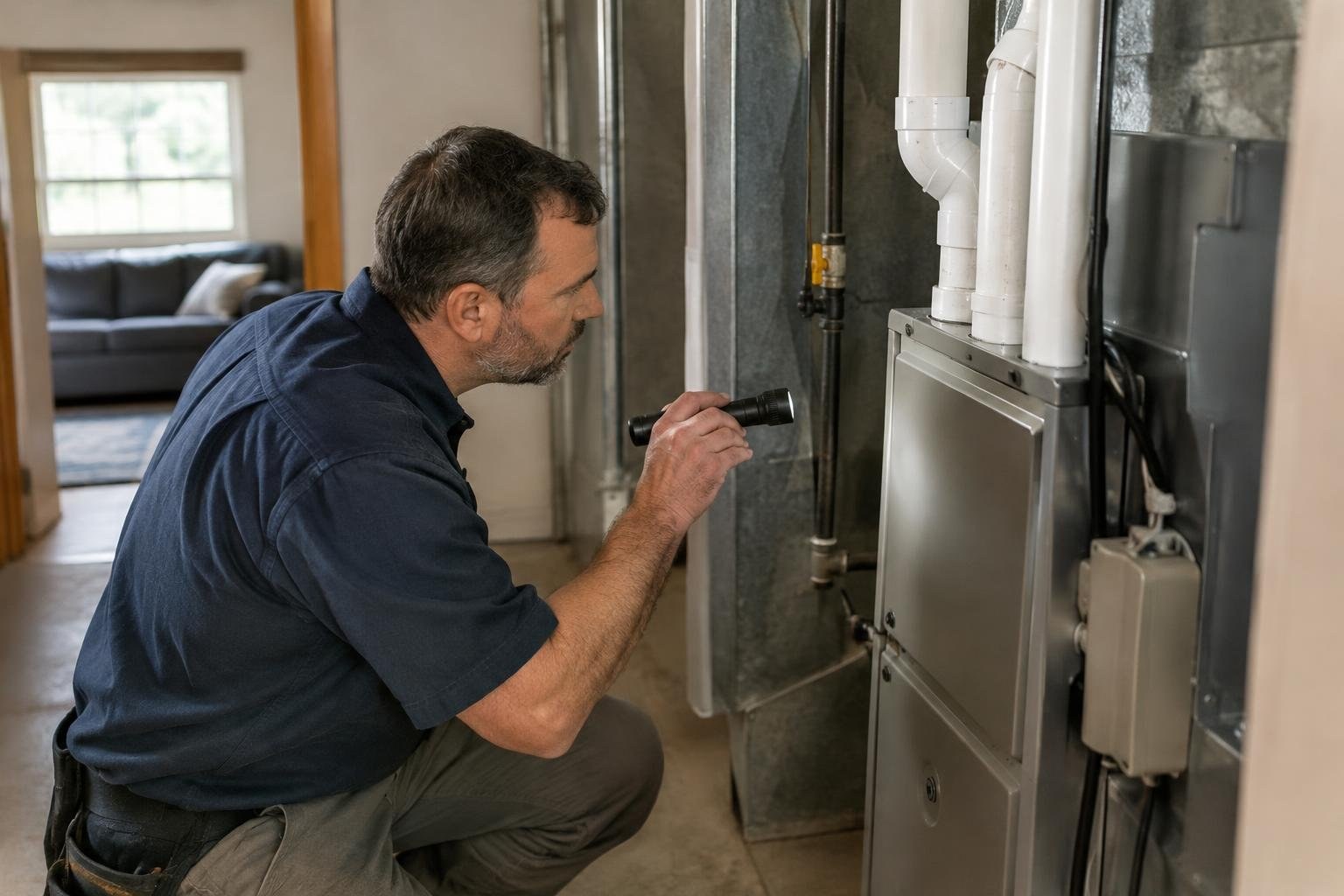
Why a regular inspection matters for a second home
Home inspection is often associated with buying or selling, but it can also help an owner understand the property’s condition between transactions. Buyers commonly use an inspection to look for costly repairs or potentially dangerous faults before committing to a purchase. For an owner, the practical value is having current information to guide maintenance and decisions.
For a second home, the timing question matters because you may not be there to notice changes as they happen. A routine inspection is one tool for keeping an informed view of the property. It is not a promise that every hidden or future problem will be found, and it does not replace follow-up when a specific issue appears.
General recommendations include a comprehensive inspection every three to five years for many homes. Other guidance notes that the interval may differ for newer properties. Use those suggestions as a planning reference, then base your schedule on the home in front of you.
What a home inspection includes and how the process works
A general home inspection is intended to review the home and its systems, rather than answer only one narrow question. The precise services and limits depend on the provider, so do not assume that every inspection includes the same tests or specialist evaluations.
Before booking, ask for a written description of what the inspector will examine, what may be inaccessible, and what is outside the scope. If you are concerned about a particular system, ask whether the general inspection can address it or whether a separate specialist assessment is a better fit.
- Share the property’s age, known repairs, and any earlier inspection report.
- Agree on the inspection scope, access arrangements, and expected report timing.
- Ask how findings will be documented and how to raise questions afterward.
- Use the report to distinguish items to monitor from concerns that warrant further evaluation.
A clear scope makes it easier to compare providers and understand what the report can, and cannot, tell you.
Signs it may be time to inspect sooner
Do not wait for a calendar reminder if you have a specific reason to question the home’s condition. Consider arranging an inspection or follow-up when:
- A previous report identified an unresolved issue or recommended further evaluation.
- You have a concern about the HVAC system or another major home system.
- You are buying a property and want an independent assessment before committing.
- You have not had a comprehensive inspection in several years and want an updated overview.
- You need a focused assessment of the roof, HVAC, or foundation because a specific concern has come up.
A reported HVAC problem is one example of a finding that may justify further inspection. The correct next step depends on what the original report says and whether the question calls for a general review or specialist expertise.
Keep the earlier report available. It can help you explain the concern and request an assessment that answers a specific question rather than repeating work without a clear purpose.
Cost and pricing considerations
Inspection pricing is not specified by the available guidance, so avoid relying on a generic figure. Request written estimates for your actual property and compare the services included, not just the headline fee.
When reviewing estimates, ask:
- Is the proposal for a general inspection or a specialist inspection?
- Which areas and systems are included, and what limitations apply?
- Is the written report included, and when should you expect it?
- Are any additional evaluations priced separately?
- Can the provider explain how the proposed scope addresses your concern?
A quote that covers a broader scope may not be directly comparable with a shorter, focused visit. Match the service to the question you need answered. If you are deciding between a full inspection and a specialist, ask each provider to explain the difference in scope before choosing.
Budget for the assessment that will provide useful information, rather than choosing the lowest quote without confirming what it covers.
Factors that affect your inspection schedule
Two second homes may need different inspection plans. Consider the factors that can change your decision:
- Age: Some guidance treats newer homes differently from older homes when discussing routine intervals. Do not assume a newer home never needs inspection; use its condition and history too.
- Condition and prior findings: An unresolved concern from an earlier report is a stronger reason for follow-up than the calendar alone.
- Inspection history: If you lack a recent comprehensive report, an updated review may provide a useful baseline.
- Question to answer: A broad overview and a focused check of one system are different scopes.
- Access: Tell the provider about access limitations before the appointment so the agreed scope is realistic.
Recommendations about inspection frequency are not perfectly uniform. One source suggests a three-to-five-year interval for many homeowners, while another says newer homes may not need that same routine interval. Treat both as general guidance, not a universal rule for every second home.
General inspection, specialist review, or second full inspection?
Choose the inspection type that fits the decision you need to make. A general inspection reviews home systems and the property as a whole. A specialist inspection focuses more closely on a particular area, such as the roof, HVAC, or foundation.
| Option | Useful when | What to confirm |
|---|---|---|
| General inspection | You want a broad overview of the home. | Which systems and areas are included, and what the report covers. |
| Specialist inspection | A specific system or area needs closer attention. | That the provider’s proposed scope directly addresses the concern. |
| Second full inspection | You need a fresh assessment or have a reason to revisit the overall condition. | Why another full review is preferable to a focused follow-up. |
A second full inspection is not automatically the best choice. If the concern is limited, a specialist assessment may be more useful. On the other hand, when hiring for a repeat visit, an inspector who has seen the property before may already understand its context. Ask how the provider will approach the inspection and document findings independently.
What to expect: appointment length and report timing
Plan for the inspection visit and for the time needed to receive and review the report. One source estimates about three hours for a thorough inspection. It also notes that a two-person team may complete the work in less than two hours, and that reports often arrive about 24 hours later. These are reference points, not guaranteed appointment or delivery times.
Ask the provider for an estimate based on your property and the agreed scope. Confirm how the inspector will access the home, whether you or a local contact should be present, and how the report will be delivered. If you need information by a certain date, state that before booking and have the provider confirm whether the timing is workable.
After the report arrives, read it promptly and list any questions. Where a finding calls for additional assessment, ask what type of provider or inspection would address it. Keep the report with property records so it can inform future decisions.
How to choose a qualified inspection provider
Select a provider based on a clear match between your concern and the proposed inspection, not on a vague promise of a complete review. Ask each candidate the same questions so you can compare answers:
- What is included in the written scope?
- What areas cannot be assessed, and how will those limits be noted?
- How do you handle a follow-up when a prior report identified a concern?
- Will the report distinguish observations from recommended further evaluation?
- When will the report be delivered, and how can I ask questions about it?
If you are considering an inspector who has visited before, ask how they will ensure the new assessment is complete. A returning inspector may bring useful context, but the report should still be based on the current visit and the agreed scope. A fresh provider may also be appropriate if you want another independent perspective.
Compare written proposals and choose the provider whose scope best answers your question.
Credentials, local rules, warranties, and safety
Inspection requirements and credentials can vary by location, and the available guidance does not establish a rule that applies everywhere. Before booking, verify the provider’s qualifications and any local requirements that apply to your property and the service. Ask what credentials the inspector holds, what they cover, and whether any specialist work will be handled by another provider.
Also ask what the inspection does not include. An inspection report is an assessment, not a promise that no problem exists or that a repair will be covered. If the provider mentions a warranty or guarantee, request the terms in writing and clarify what it does and does not cover.
Follow safety advice from the inspector and do not enter areas they identify as unsafe or inaccessible. If a report identifies a potentially dangerous fault or a significant system concern, ask what qualified follow-up is appropriate instead of attempting an uncertain repair yourself.
Ways to reduce cost or save safely
To manage inspection costs without skipping a useful check, match the inspection to the question you need answered. A broad home inspection and a specialist assessment have different scopes, so ask whether a focused review can address a specific concern instead of ordering another full inspection automatically.
- Keep earlier reports and repair records available, and point out any unresolved findings.
- Request written estimates that explain the scope, limitations, report timing, and any separately priced evaluations.
- Compare proposals with similar scopes rather than choosing by headline price alone.
- Ask whether a specialist assessment is appropriate when a concern is limited to one system or area.
- Confirm access and the agreed inspection areas before booking.
These steps can help you avoid overlapping work while still arranging follow-up for a reported concern. If a prior inspection identified an issue, including an HVAC concern, ask what kind of assessment would address it before deciding whether to book a full inspection or a focused review.
Mistakes, red flags, and a booking checklist
Common planning mistakes include treating an interval as a guarantee, assuming all inspections cover the same systems, and ordering another full inspection without identifying what question it should answer.
Use this checklist before you book:
- Write down the reason for the inspection and any specific concerns.
- Find the latest inspection report and note unresolved recommendations.
- Decide whether you need a general overview or a specialist assessment.
- Request a written scope, limitations, price, and report timeline.
- Verify the provider’s qualifications and any relevant local requirements.
- Arrange access and share relevant property history.
- After the visit, review the report and follow up on significant findings.
Be cautious if a provider will not explain the scope, report timing, or limitations, or if a proposal does not address the concern you described. A clear conversation before booking helps prevent a mismatch between what you expect and what the inspection delivers.
Frequently asked questions
How often should a second home be inspected?
There is no schedule that applies to every second home. A general recommendation for many homeowners is a comprehensive inspection every three to five years, but the home’s age, condition, maintenance record, and concerns from an earlier inspection should guide the timing. Treat that interval as a starting point, not a guarantee that a property is trouble-free between inspections.
What does a home inspection usually include?
A general home inspection reviews the home’s systems and visible condition. The exact scope can vary, so ask the inspector what areas are included and what limitations apply. If you have a specific concern, ask whether a specialist inspection, such as for the roof, HVAC, or foundation, is appropriate.
Should I get a second home inspection?
A second full inspection can be useful when you need a fresh, independent assessment or when a previous inspection identified a concern that needs follow-up. If the question is limited to one system, a specialist inspection may provide more focused information. Decide based on the issue and the scope needed, rather than ordering duplicate inspections automatically.
How long does a home inspection take?
Inspection duration depends on the property and the scope. One source gives about three hours as an average for a thorough inspection and notes that a two-person team may finish sooner. Ask the provider how long the visit is expected to take and when the written report will be ready.
Does a second home need an inspection more often than a primary home?
A general interval alone cannot account for a property’s age, condition, inspection history, or a problem flagged in a prior report. Use those details to decide whether to schedule a full inspection, request a follow-up, or ask about a specialist. A concern involving a major system, such as HVAC, is a reason to seek further evaluation.
People Also Ask
How often should a home be inspected if you are not selling it?
A comprehensive home inspection every three to five years is a general starting point for many homeowners. Adjust the timing to the property’s age, condition, maintenance history, and prior inspection findings.
When should I schedule a follow-up inspection?
A previous report can help you identify unresolved concerns. If it flagged a system problem, such as an HVAC issue, consider a follow-up assessment rather than waiting for the next routine inspection.
Is a second home inspection redundant?
A second full inspection is not automatically necessary. For a concern limited to one area, compare a focused specialist inspection with another full inspection and choose the scope that answers your question.
How many hours does a home inspection take?
A thorough inspection takes about three hours on average in one source, while a two-person team may complete it in less than two hours. Ask the provider for an estimate based on your home and inspection scope.
How much does a second-home inspection cost?
Ask for written estimates that state the inspection scope, report delivery, and any separate fees for specialist evaluations so you can compare like for like.
What should I ask a home inspector before booking?
Ask what the inspection includes, what areas are excluded or inaccessible, when the report will arrive, and whether the inspector can explain findings. For a specific concern, ask whether a specialist inspection is more appropriate.
A second home does not have one inspection schedule that fits every property. Use a comprehensive inspection every few years as a starting point, then adjust for the home’s age, condition, maintenance history, and any warning signs. If a previous inspection raised a concern, arrange the right follow-up rather than assuming it has resolved. A clear scope, an independent inspector, and a written report can help you make practical decisions from a distance. Explore home management options and providers at HouseManagers.com.
Your next step
Explore home management options and providers at HouseManagers.com.
Browse qualified providersLearn more about a Management or Concierge Plan
Last reviewed and updated October 19, 2026 by the Housemanagers.com Editorial Team.
Sources
- How Often Should You Get a Home Inspection?
- Same house, second inspection… what now? – Structure Tech Home Inspections
- Second Inspections On a New Home Purchase – AGR
- How often should you have your home inspected? – Corpus Christi Home Inspections
- How often should you have your home inspected? – Charles Buell Consulting LLC
- Don't Neglect Your Home: How Often to Schedule a Maintenance Inspection
- How Often Should a House Be Inspected?
- Should I get more than one home inspection?