
A five-year home maintenance review is a chance to look beyond weekly chores and check components that can go unnoticed for years. Depending on your home, that review may include water-heater components, the boiler, plumbing lines, a water main or well pump, and a septic system. It should not mean replacing everything on a five-year timer. Condition, equipment instructions, service history, and local professional advice matter. Just as important, many safety and upkeep tasks need attention sooner. Use this guide to build a sensible checklist, recognize warning signs, plan costs without guessing, and decide when to call a qualified professional.
1. Understand what a five-year maintenance review means
There is no single five-year checklist that fits every house. A home with a boiler, private well, or septic system has different maintenance needs from one connected to municipal water and sewer. Start by listing the systems your home actually has, then check service records and manufacturer instructions.
Think of five years as a useful review point, not a universal replacement deadline. A healthy component may need only inspection or routine service. A leak or other problem may need attention immediately, regardless of its age. Maintenance also happens on shorter cycles: some tasks are seasonal or annual, and certain safety checks should happen more often.
Why a five-year review matters
Regular attention can help you notice developing problems before they become harder to manage. It also gives you a clearer history of the home: what was inspected, what was repaired, and what a professional advised you to monitor. That context can make future maintenance decisions more practical.
2. What to include in a five-year home maintenance checklist
Use this checklist as a starting point, adapting it to your equipment, property, and service history:
- Water-heater components: Check the manufacturer’s maintenance guidance. Some home maintenance checklists recommend replacing a water-heater rod at approximately five years. Confirm the component and timing for your unit before arranging work.
- Boiler: Look for visible leaks or signs of moisture around the boiler. Have a qualified professional assess concerns or perform work requiring technical skill.
- Water main, meter, or well pump: Check accessible areas for leaks or sweating. Do not attempt repairs beyond your ability.
- Drain and supply lines: Look over accessible plumbing for drips, dampness, or other signs of leakage.
- Septic tank: Arrange an assessment or pumping when appropriate for your system and service history. Do not assume every household needs the same schedule.
- Other aging components: Inspect items that show wear and follow the manufacturer’s instructions or a provider’s condition-based advice.
Keep notes about what was checked and what needs follow-up. If a system is not in your home, simply mark it as not applicable.
3. Signs maintenance may be needed before five years
Do not wait for a five-year milestone if you notice a likely problem. Look for water stains, active drips, damp or sweating pipes, persistent moisture, or a change in how equipment operates. These signs deserve timely assessment; the appropriate response depends on where the problem is and how serious it appears.
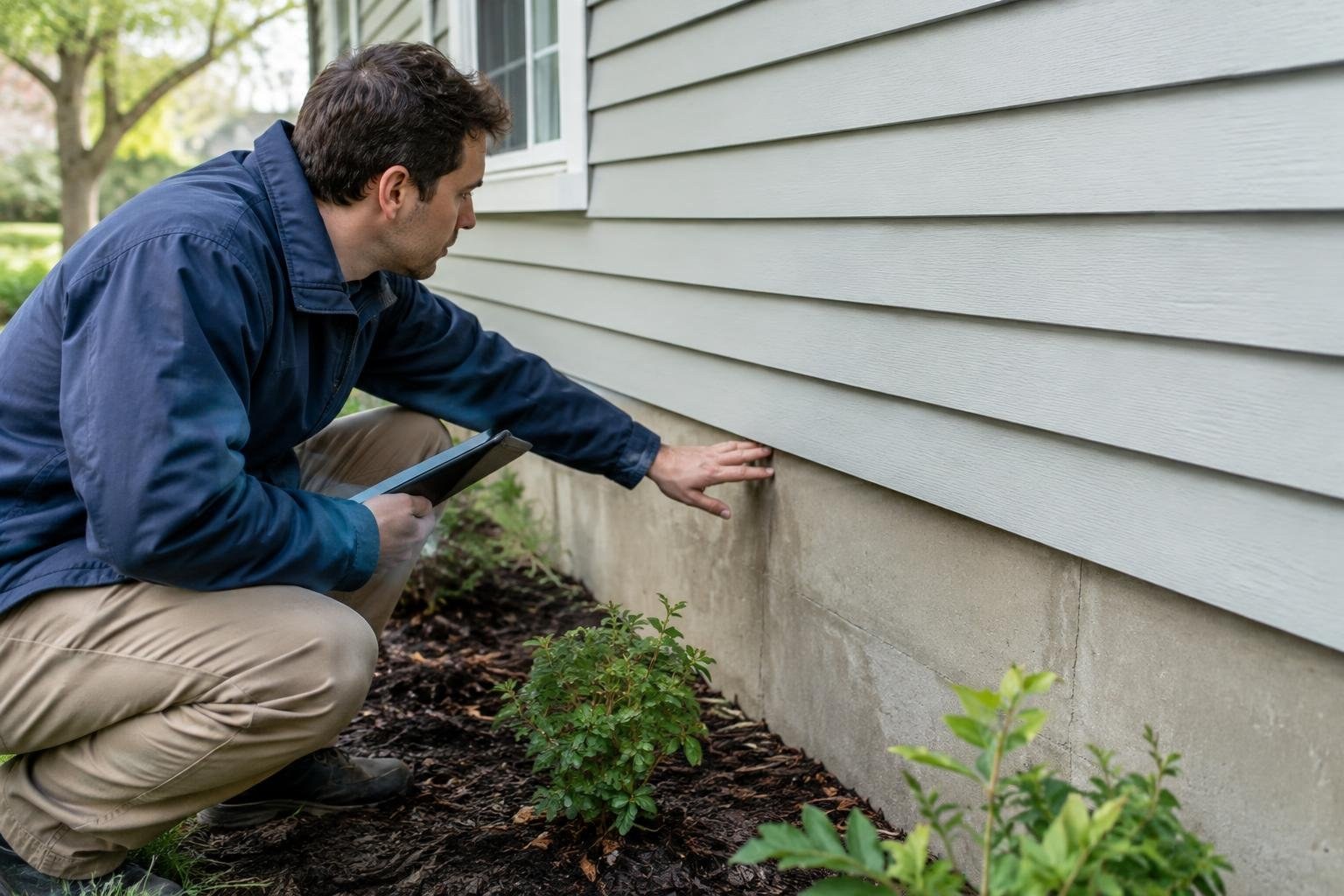
Visible wear can also justify an inspection. For example, inspect siding yearly and note whether wood siding may need repainting. Keep plants from touching siding, and address deterioration before assuming it can wait for the next long-term review.
Check dryer vents and smoke and carbon monoxide detectors more often than you would during a five-year review. Follow the relevant product instructions and keep these safety checks on your regular schedule.
If you are unsure whether a sign is urgent, describe it to a qualified provider and ask what should happen next. Do not treat the calendar as a reason to postpone a concern.
4. Cost and pricing considerations
A five-year review can involve different items, such as a water-heater component, plumbing lines, a boiler, or septic service. Since the work can vary by home and by what an inspection finds, ask for a written estimate that identifies each task rather than relying on one unexplained total.
Questions to ask before approving work
- What will be inspected, and what work is included in the estimate?
- Which items are recommendations, and which need attention now?
- Are labor, materials, and any follow-up visit listed separately?
- Will the provider ask for approval before adding work?
Compare estimates for the same scope. Keep the quote, receipts, and notes about completed work together so you can refer to your home’s maintenance history when planning future service.
5. Factors that affect the work and estimate
Several practical details shape the project. First, consider which systems your home has: a septic tank or well pump creates different needs from municipal services. Second, consider age and condition. A component that is operating normally may need a routine check, while a leak can call for prompt repair.
Access also matters. A professional may need to reach equipment, plumbing, or a service area before assessing the work. The size and complexity of the task, materials required, and whether an inspection reveals further work can affect the schedule and estimate.
Finally, use matters. Appliance filters, for example, may need cleaning at different intervals depending on use and the product. Your home’s records and equipment instructions are more useful than applying a single schedule to every house.
6. Compare DIY checks, professional service, and replacement
Choose a maintenance approach based on the condition of the item and the skill the task requires.
- DIY visual checks: Looking for visible leaks or recording the condition of accessible areas can help you spot changes. Stay within your comfort and ability; observation is not the same as a technical inspection.
- Routine professional maintenance: Use a qualified provider for work that requires specialized knowledge, tools, or assessment, such as service involving a boiler or plumbing system.
- Repair or replacement: Decide only after the problem is assessed. A component’s age alone does not establish that replacement is necessary.
There are also small differences between homes. Steel sinks, for example, can show wear over time; one homeowner guide notes that some begin to show their age after five years and may need replacement before ten years of service. Treat this as a condition to inspect, not a fixed replacement schedule. Compare the cost and scope of repair with replacement when either is being proposed.
7. What to expect and when to schedule it
Timing depends on the work, the provider’s availability, and what an inspection finds. A visual review and a repair are not the same appointment, and a more involved task may need separate planning or follow-up. Ask the provider how much time to allow, whether you need to prepare an area, and whether anyone needs to be present.
Plan routine inspections ahead rather than waiting until a problem disrupts normal use. Grouping appropriate tasks into one visit may simplify scheduling, but only if the provider is qualified to perform each part and the scopes are clear.
Seasonal tasks should remain on their own schedule. For example, one maintenance guide recommends professional HVAC service twice a year, with cooling service in spring and heating service in fall. Your system’s instructions and provider recommendations should guide your plan. A five-year checklist does not replace that regular upkeep.
8. How to choose a qualified home maintenance provider
Choose a provider whose experience matches the specific systems you want reviewed. For each task, ask who will perform the work, what the visit includes, and what findings or follow-up recommendations you will receive. If a review covers several systems, clarify which tasks the provider can handle and which need a different specialist.
Before scheduling, request a written scope. Ask how the provider will explain an issue, distinguish an inspection from a repair, and get your approval if additional work is proposed. Compare estimates using the same list of tasks, and keep the final paperwork with your service records.
For work that calls for professional service, make sure the provider is addressing the relevant equipment and timing. A home maintenance guide, for example, recommends professional HVAC service twice a year and keeping receipts and records of completed work. Follow your equipment instructions and use your own service history when discussing what your home needs.
9. Permits, credentials, warranties, and safety
Requirements for permits and credentials vary by location and by the kind of work. Ask your local building department or relevant authority whether a proposed repair or replacement requires a permit. Confirm that the provider has any license, certification, or insurance required for that work in your area; do not rely on a general maintenance title as proof.
Ask for warranty details in writing. Clarify what is covered, how long coverage lasts, and whether it applies to parts, labor, or both. Keep receipts, inspection notes, and service records together so you can refer to the work later.
Safety comes first. Do not attempt work involving equipment or systems you are not qualified to handle. If you find an active leak or another apparent hazard, seek appropriate professional help instead of waiting for a routine visit. Follow manufacturer instructions for household products and safety devices.
10. Ways to manage cost and save safely
Good planning can reduce unnecessary expense without cutting corners. Keep a home maintenance file with dates, receipts, inspection results, and product information. Share it with providers so they can see what has already been done and avoid repeating work without a reason.
- Make a list of applicable systems before requesting quotes.
- Ask whether a visit can cover more than one suitable task.
- Get multiple written estimates for larger or unclear projects.
- Request a lower-cost repair option when appropriate, and ask about its expected limits.
- Do not skip safety checks or necessary repairs to save money.
Regular smaller tasks can also prevent a five-year visit from becoming a catch-up project. Clean appliance filters on the schedule appropriate to the appliance and its use, and keep up with routine exterior and seasonal maintenance. Save receipts and record completed work so you can plan from your home’s actual history.
11. Common mistakes and a practical checklist
Avoid these common missteps:
- Replacing by age alone: Treating five years as a mandatory replacement date can lead to unnecessary work. Check condition and manufacturer guidance.
- Waiting for the calendar: A leak or safety concern should not be left until the next scheduled review.
- Using one schedule for every home: Systems, usage, and service histories differ.
- Confusing inspection with repair: Ask what has been observed and what work is actually proposed.
- Accepting a vague quote: Get scope, exclusions, materials, and approval for added work in writing.
- Ignoring routine upkeep: Some tasks need attention seasonally, annually, or more often.
A quick planning checklist
- List the systems your home has.
- Gather manuals and maintenance records.
- Check accessible areas for visible leaks or damage.
- Mark safety and routine tasks that need more frequent attention.
- Ask a qualified provider to assess uncertain or technical work.
- Compare itemized estimates and save the final records.
Frequently asked questions
Does every home need the same maintenance every five years?
Not necessarily. The five-year mark is a prompt to inspect and assess components, not an automatic replacement date for every item. Follow the equipment manufacturer’s instructions and base repairs or replacement on condition and professional advice.
What home maintenance should be done more often than every five years?
Several home maintenance tasks need attention more often than every five years. Check safety devices and the dryer vent regularly, follow manufacturer guidance, and keep up with annual or seasonal tasks. Exterior siding may need yearly inspection.
Should I have my septic tank pumped every five years?
Have a qualified septic professional assess your system and recommend service based on its condition and use. Maintenance checklists include septic tank pumping, but they do not establish one interval for every household.
What are signs my home needs maintenance now?
Look for active leaks, damp or sweating pipes, water stains, persistent moisture, unusual equipment operation, and visible deterioration. These signs call for assessment based on urgency rather than waiting for a calendar milestone.
How much does a five-year home maintenance inspection cost?
The cost depends on what the inspection finds, which systems are involved, access, labor, materials, and any repairs. Ask for a written, itemized quote that separates inspection, maintenance, and optional repair or replacement work.
People Also Ask
Which home systems should I review at the five-year mark?
Review the water-heater maintenance guidance, look for leaks around the boiler and accessible plumbing, and check the water main, meter, or well pump for leaks or sweating. If your home has a septic system, ask a qualified professional whether it needs service based on its condition and history.
Does every home component need to be replaced every five years?
No. Treat five years as a reminder to review condition and service history, not a deadline to replace equipment. Follow the manufacturer’s instructions and base repairs or replacement on an assessment of the component.
What signs mean I should arrange maintenance sooner?
Do not wait for a scheduled review if you notice active drips, water stains, damp or sweating pipes, persistent moisture, unusual equipment operation, or visible deterioration. Ask a qualified provider to assess the issue, especially if you are unsure how urgent it is.
Should a septic tank always be pumped every five years?
No single interval applies to every household. Ask a qualified septic professional to assess the system and recommend service based on its condition and use, along with your maintenance history.
Which safety checks should happen more often than every five years?
Keep dryer vents and smoke and carbon monoxide detectors on a regular schedule that follows their product instructions. These checks need attention more often than a five-year review.
What affects the cost of a five-year home maintenance review?
The estimate can depend on which systems need work, the condition and accessibility of the equipment, the task’s complexity, materials, and any additional work found during inspection. Request a written estimate that separates inspection, maintenance, and proposed repairs.
What should I ask a provider before scheduling maintenance?
Ask what the visit includes, which items need attention now, and whether labor, materials, and follow-up are listed separately. Get approval requirements for additional work in writing, and compare estimates for the same scope.
What maintenance belongs on a yearly or seasonal schedule?
Keep seasonal and annual tasks on their own schedules. A five-year review does not replace routine upkeep.
A five-year checkup is a useful reminder to inspect long-lived systems and components, but it is not a substitute for routine seasonal and annual care. Start with your home’s age, equipment manuals, service records, visible warning signs, and any professional recommendations. Prioritize leaks, safety concerns, and active damage, then plan lower-urgency work with clear written quotes. A simple maintenance history makes future decisions easier and helps you compare providers with confidence.
Your next step
Compare home maintenance options, get informed about the work your home may need, and search for providers on Estimate.org.
Browse qualified providersLearn more about a Management or Concierge Plan
Last reviewed and updated October 5, 2026 by the Housemanagers.com Editorial Team.
Sources
- Healthy Homes Maintenance Checklist
- Annual Home Maintenance Checklist
- Routine Home Maintenance | NAHB
- Ultimate Home Maintenance Checklist (& Frequency) – Kelley Nan
- Home Maintenance Checklist: Monthly, Seasonal & Annual Home Maintenance Tasks
- 5-Year Maintenance Routines for Home Upkeep
- Homeowner's Maintenance Checklist | A Maintenance and Home Renovation Timeline
- Home Maintenance Schedule | Via