
Summer can put more attention on cooling equipment, irrigation, outdoor spaces, and the parts of your home exposed to sun and weather. A short inspection now can help you notice a leak, a clogged drain, or worn exterior materials before the issue is overlooked. This summer home maintenance checklist separates simple visual checks from work that may need a professional. Start with the areas you use most, record anything unusual, and prioritize safety over doing every task yourself.
What a summer home maintenance checklist includes
A useful summer home maintenance checklist is a set of observations and small upkeep tasks, not a promise that every potential problem will be found. Begin indoors, then move to systems used more often in warm weather and areas exposed to sun or outdoor debris.
For each area, note what you checked, what looked unusual, and whether you took action. A phone photo or simple dated list can help you describe a change when you speak with a provider. Separate tasks into three groups: safe to do yourself, needs more investigation, and needs a qualified professional.
- Indoors: inspect appliance hoses and check cooling equipment.
- Outdoors: look over siding and paint, irrigation, and outdoor spaces.
- Year-round safety: keep smoke and carbon monoxide detectors and fire extinguishers on your broader home safety list.
Start with water, equipment, and safety concerns. Cosmetic cleaning can wait if you find an active leak or a system that needs attention.
Start indoors: check hoses and look for warning signs
Check hoses serving the washer, dehumidifier, dishwasher, icemaker, toilets, and refrigerator. Look for visible wear, cracks, dampness, or signs of leaking. Do not ignore a small drip or assume a hose is fine because the appliance still works. If you find water or cannot tell where it is coming from, stop short of dismantling equipment and arrange appropriate help.
While walking through the home, pay attention to changes rather than trying to diagnose them. An unusual increase in a utility bill, a new leak, or equipment that does not seem to operate as expected is a reason to investigate. A bill alone does not prove what is wrong, so compare it with your own past usage and consider whether there may be another explanation.
Make a short record of the location and what you observed. Clear notes help you explain the issue and ask a provider for a focused assessment. If water is actively escaping, prioritize limiting damage and getting qualified help over completing the rest of the checklist.
Prepare HVAC equipment for warm-weather use
Before relying heavily on cooling equipment, check the air filter and replace it when appropriate for the equipment and filter. A filter that needs attention can affect airflow, so do not skip this simple inspection. Consult the product instructions if you are unsure which filter is suitable or how it fits.
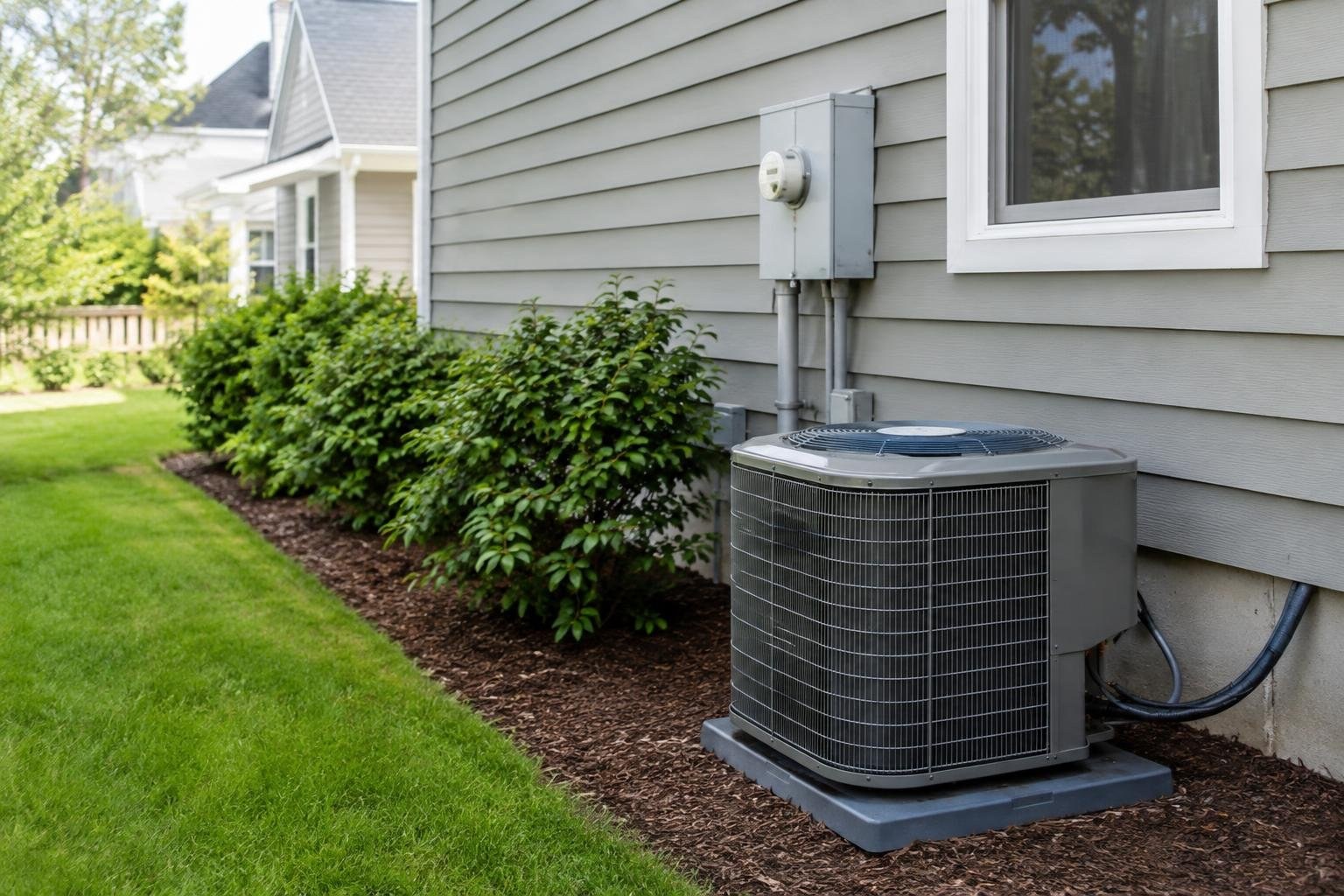
Look at the outdoor unit from a safe position and clear loose debris around it. Check whether the condensate drain appears obstructed. These are visual upkeep checks, not a reason to open the equipment, reach into moving parts, or attempt a repair without the right skills.
If cooling is poor, the equipment behaves unusually, or a drain issue continues, contact a qualified HVAC professional to assess it. Describe what you observed and what you have already checked. Avoid assuming that replacing a filter will fix every performance problem; it is one part of routine attention, not a diagnosis.
Inspect siding, paint, irrigation, and outdoor spaces
Inspect visible exterior paint and siding for peeling, damage, or areas that seem to need attention. Addressing a visible issue before extended sun exposure is one reason to include the exterior in a summer check. Do not climb or reach into an unsafe area to get a closer look. If you cannot inspect a section safely, ask a qualified provider to assess it.
Check irrigation for visible problems and keep an eye on utility bills for unusual increases. A change in water use can prompt a closer look, but it does not reveal the cause on its own. Clean outdoor spaces and remove obvious debris where you can do so safely.
Focus on observations rather than automatically scheduling a large project. Photograph a concern, note its location, and ask for an assessment if you are uncertain about its scope. This makes it easier to compare providers on the same requested work rather than receiving estimates based on different assumptions.
Compare comfort adjustments with equipment service
Small comfort changes may help you rely less on running the air conditioner at full blast. Consider lowering blinds, using blackout curtains, or closing off rooms that are not in use. These measures are options to try, not a substitute for correcting a cooling-system problem or a safety concern.
Ceiling fans can also be part of summer comfort. Clean the blades and check that the fan operates properly. In summer, the blades should turn counterclockwise to push air downward and create a breeze. If a fan squeaks, wobbles, or appears damaged, do not ignore it; consider having needed maintenance performed.
Compare simple comfort steps with equipment work based on the problem you are trying to solve. If a room remains uncomfortable, note when it happens and whether the issue is limited to one area. That information can help a qualified provider assess the system without assuming that a household adjustment will solve an underlying fault.
Cost and pricing: what affects the bill
A summer checklist includes visual checks and basic upkeep, but the sources for these tasks do not provide prices. The cost of any paid work will depend on what you ask a provider to do, so avoid relying on a single price for the whole checklist.
Before scheduling a visit, describe the specific concern and ask what the proposed work includes. For example, say whether you want someone to assess a cooling problem or check a suspected condensate drain obstruction. Ask for the price and scope in writing before approving additional work.
If an inspection leads to a repair recommendation, ask what was observed and how the proposed work addresses it. This helps you decide what to do next without assuming that every checklist item requires a paid service.
Factors that affect the work and the estimate
Make the requested task as specific as possible. “Check the filter and look for debris around the outdoor unit” identifies two visible HVAC checks. “Inspect for signs of a hose leak” gives a provider a clearer starting point than a general request to check the whole home.
Describe what you noticed, where it occurred, and whether it is ongoing. For irrigation, note the visible issue or an unusual utility-bill change, but do not present the change as proof of a particular cause. If a provider recommends more work, ask what they observed that led to the recommendation.
Keep the scope within what you can safely observe. If an area is difficult to reach or a system needs diagnosis, explain that instead of attempting a risky inspection yourself.
DIY checks versus hiring a professional
Use three steps to decide how to handle a checklist item:
- Look: Check accessible hoses for visible wear, cracks, or leaks, and look for loose debris around the outdoor HVAC unit.
- Do basic upkeep: Check the HVAC filter and replace it when appropriate for the equipment and filter. Clean outdoor spaces or fan blades only when you can do so safely.
- Ask for help: If you find a leak, cannot safely reach an area, or do not know how to assess an equipment concern, pause and ask a qualified professional.
Keep the task within your ability and the product instructions. A visual check can help you describe what you noticed, but it does not establish the cause of a problem. Tell a provider what you observed and ask whether the proposed visit is for inspection, diagnosis, or repair.
What to expect and how to plan the timing
Work through the list in manageable passes. Start with indoor hoses and cooling equipment, then check irrigation, exterior paint and siding, and outdoor spaces. These are useful warm-weather checks for areas and systems highlighted in summer maintenance guidance.
As you go, write down the location of each concern and what you observed. Handle an active leak or an equipment concern before lower-priority cleaning, and do not delay getting help if you cannot assess something safely.
If you contact a provider, ask when they can review the specific issue and what the visit will cover. Keep the notes and any written recommendations together so you can follow up on items that are not addressed during the first visit.
How to choose a qualified home maintenance provider
Choose a provider whose proposed work matches the concern you observed. A request to assess a cooling problem is different from asking for a visual check of debris around the outdoor unit. Describe the issue, where it occurs, and what you have already checked.
Before agreeing to work, ask what the visit includes and whether it is an inspection, diagnosis, or repair. Request the recommendation in writing and ask what finding supports it. If the scope is unclear, ask for an explanation before deciding whether to proceed.
For a visible issue you cannot assess safely, such as damage in an inaccessible area of siding or paint, ask whether the provider can evaluate that specific area. Compare proposals using the same description of the concern, and do not approve work you do not understand.
Permits, credentials, warranties, and safety
Requirements for permits and credentials can depend on the location and the type of work. Before a repair or larger project begins, ask the provider what local requirements apply and verify them with the relevant local authority when needed. Do not assume that a routine visual inspection and a repair have the same requirements.
Ask what credentials are relevant to the specific job, and confirm them through an appropriate issuing body when applicable. Request insurance information and a written agreement that identifies the work, price, payment terms, and any stated warranty. Read the warranty terms carefully, including what work or materials they cover and how to request service.
Safety comes first during DIY checks. Avoid unsafe climbing, reaching into equipment, or attempting work when you do not know how to do it safely. Keep smoke and carbon monoxide detectors and fire extinguishers on your year-round safety list, not just the summer checklist.
Ways to save safely and mistakes to avoid
Save safely by starting with inspection and clear priorities, not by skipping a needed repair. Clean outdoor spaces, look for obvious hose damage, check filters according to the equipment and filter instructions, and record concerns before requesting estimates. These steps can help you explain the issue and avoid paying for work you did not request.
Ask providers to separate essential repairs from optional improvements and explain the reason for each recommendation. Compare written estimates with the same scope, and ask whether a maintenance visit can be combined with other appropriate work. Do not choose a cheaper option if it leaves an active problem unresolved or relies on work you cannot verify.
Common mistakes include ignoring small leaks, assuming a utility-bill increase proves a specific fault, opening equipment without the right knowledge, and approving vague work without a written scope. A checklist is useful when it helps you notice and act, not when it encourages risky shortcuts.
Action checklist: complete the basics and follow up
Use this final pass to turn observations into next steps:
- Inspect appliance hoses for visible wear, cracks, or leaks.
- Check the HVAC filter and replace it when appropriate for the equipment.
- Look for debris around the outdoor unit and a visibly obstructed condensate drain.
- Inspect accessible exterior paint and siding for visible concerns.
- Check irrigation and note unusual utility-bill changes.
- Clean outdoor spaces where it is safe to do so.
- Clean ceiling-fan blades and confirm that fans operate properly.
- Keep smoke and carbon monoxide detectors and fire extinguishers in your year-round safety routine.
- Record concerns, request written estimates, and verify applicable local requirements before work begins.
Do not treat every item as a DIY task. If you find an active leak, equipment problem, unsafe access issue, or a concern you cannot identify, pause and seek appropriate professional help.
Frequently asked questions
What should be on a summer home maintenance checklist?
Start with visible checks of appliance hoses for wear, cracks, or leaks. Then review HVAC filters and the outdoor unit, inspect siding and paint, check irrigation, watch utility bills for unusual changes, and clean outdoor spaces. Address problems you find rather than treating the checklist as a substitute for repairs.
What are signs my home needs summer maintenance?
Look for cracks, wear, dampness, dripping, unusual equipment behavior, or utility bills that change without an obvious reason. These signs do not identify the cause, but they are a reason to investigate and, when needed, contact a qualified professional.
How much does summer home maintenance cost?
There is no single price that applies to every home. Cost depends on which tasks need attention, whether an inspection reveals a repair, the accessibility of the work, materials, and local provider rates. Ask for an itemized estimate before approving work.
Can I do summer home maintenance myself?
Check the equipment instructions and ask a provider what is included. A homeowner can handle basic visual checks and cleaning when safe, while system diagnosis, repairs, or work at height may call for a qualified professional.
How do I choose a home maintenance provider?
Check the provider’s relevant experience, references or reviews, written scope, itemized pricing, and insurance information. Confirm any local credential or permit requirements that apply to the specific work before it starts.
What should I do to prepare my air conditioner for summer?
Check and replace filters as appropriate, clear debris around the outdoor unit without opening or servicing it, and make sure the condensate drain is not visibly blocked. If the system is not working properly, arrange professional assessment rather than guessing at the cause.
People Also Ask
How do I check my home’s exterior in summer?
Inspect exposed paint and siding for visible wear before prolonged sun exposure. If you see damage you cannot assess safely, get a qualified professional’s opinion.
How often should I check my HVAC filter?
Check the system’s filter and replace it when appropriate for the filter and equipment. Keep debris away from the outdoor unit and seek professional help if the system still does not operate as expected.
Which appliance hoses should I inspect?
Look for wear, cracking, or leaks around hoses serving appliances and fixtures, including the washer, dishwasher, refrigerator icemaker, and toilets.
What home maintenance should I leave to a professional?
A homeowner can do many visible checks and basic cleaning tasks when they can do them safely. System repairs, electrical work, work at height, or any task you are not equipped to perform should be assessed by a qualified professional.
What should I check on my irrigation system in summer?
Check your irrigation system for visible issues and compare utility bills for unusual increases. A change can be a reason to investigate, but it does not by itself identify the cause.
Which safety devices should homeowners check?
Summer checks do not replace year-round safety attention. Include smoke and carbon monoxide detectors and fire extinguishers in your broader home safety routine, following applicable product instructions.
A summer home maintenance checklist helps you spot visible problems early, prepare systems you use more often, and decide which jobs are safe to handle yourself. Start with water hoses, HVAC airflow, outdoor equipment, siding and paint, irrigation, and household safety devices. Keep notes, address leaks or unusual changes promptly, and bring in a qualified professional when a task is outside your skills. To compare options and find providers, get informed and search on Estimate.org.
Your next step
Compare your options, learn what your home may need, and search for providers on Estimate.org.
Browse qualified providersLearn more about a Management or Concierge Plan
Last reviewed and updated October 5, 2026 by the Housemanagers.com Editorial Team.
Sources
- The Summer Home Maintenance Checklist You Don’t Want to Skip
- Home Maintenance Checklist for Summer
- Summer home maintenance checklist | Chubb
- Summer Homeowner’s Maintenance Checklist | Acrisure
- Summer Home Maintenance Checklist: Homeowner Guide | EcoFlow US
- Summer Home Maintenance Checklist – State Farm®
- Summer Home Maintenance Checklist with Cleaning Tips | Mercury Insurance