
A home can feel easy to manage until small jobs stack up: a clogged drain, a dirty filter, or a warning sign in a space you rarely visit. A simple monthly home maintenance checklist helps you catch issues earlier, keep routine tasks visible, and plan seasonal or annual work before it slips your mind. The right schedule depends on your home, equipment, and local conditions, so treat this as a starting point rather than a universal rulebook.
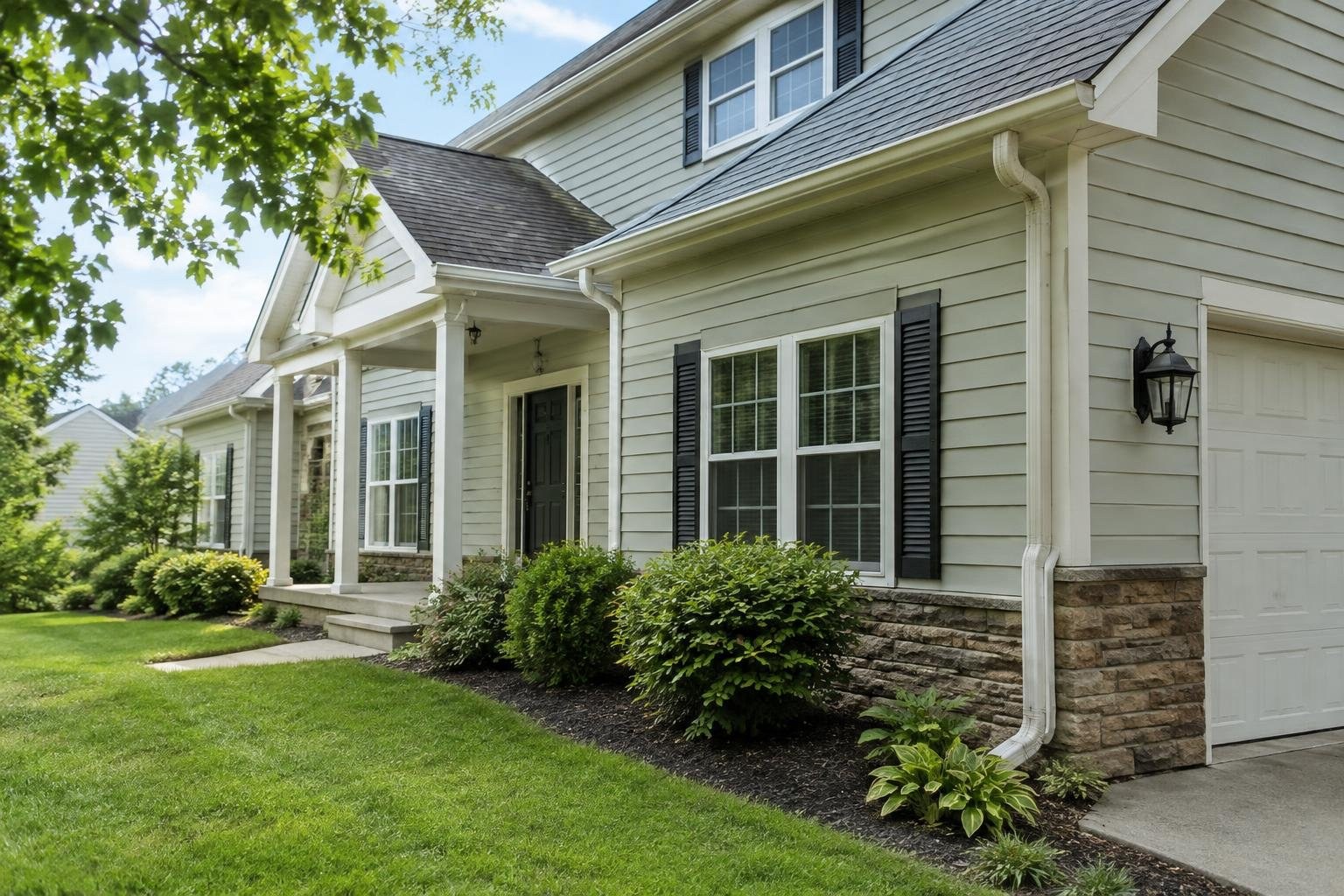
Why a monthly home maintenance checklist matters
A checklist is a schedule for routine inspections and care, not a promise that a home will never need repairs. It helps organize small monthly checks alongside less frequent seasonal and annual tasks. That matters because basic upkeep can be easy to forget, and missed warning signs may become more difficult to address.
Use this guide to build a routine, not to diagnose a problem or replace product instructions. Your home's systems, age, use, and local weather affect which tasks matter and when. If a task feels unsafe or you are unsure what you are seeing, pause and ask a qualified professional.
What to include in your monthly home maintenance checklist
Keep the routine short enough to repeat. Once a month, set aside time to:
- Check smoke alarms. Test them according to the manufacturer's instructions and note any device that does not respond as expected.
- Inspect HVAC filters. Look for visible dirt or blockage. Replace a dirty filter with the correct type, following product and equipment guidance. A monthly check does not necessarily mean a monthly replacement.
- Look for plumbing concerns. Check visible pipes, faucets, and areas under sinks for leaks. Notice slow drains or recurring clogs and follow up rather than repeatedly ignoring them.
- Visit less-used spaces. Look in places such as the attic or beneath a raised deck, where a developing issue may otherwise go unnoticed. Do not enter an area that appears unsafe.
- Check supplies and reminders. Keep routine cleaning items and household basics stocked, and add upcoming seasonal or professional tasks to a calendar.
Record what you inspected, anything that needs attention, and the date you completed the check. A short note is more useful than relying on memory.
Signs your home may need attention
Maintenance may be due when you notice a change, even if it is not on this month's list. Keep an eye out for a smoke alarm that fails its test, a visibly dirty filter, a leak, a drain that repeatedly slows, or a new concern in an attic or other infrequently checked space.
These signs do not identify the cause by themselves. Note where and when the issue appears, and seek professional advice when it persists, worsens, or involves a system you cannot safely inspect. For urgent hazards, prioritize safety and contact the appropriate emergency or service provider.
Seasonal and annual home maintenance tasks
Some work makes sense on a seasonal rhythm rather than every month. Adjust these reminders to your home's equipment and local conditions:
- Spring and fall: Plan to clean and inspect gutters, and check plumbing for clogs, leaks, or damaged pipes. Choose a safe method or hire help if the work involves a risky height.
- Before heating or cooling seasons: Check HVAC equipment and filters. Arrange professional inspection or maintenance when appropriate for the system.
- Before cold weather: If applicable, prepare storm windows, remove window air conditioners, and winterize central air equipment according to product guidance. Consider annual furnace maintenance by an HVAC professional.
- Once a year: Review the roof and other areas that need a closer inspection. Use a professional if access or the condition is unsafe or uncertain.
Not every home has the same equipment or seasonal needs. Use manufacturer instructions and local conditions to decide what applies.
Cost and pricing considerations
There is no single maintenance budget that fits every home. Spending depends on the home's size, age, condition, equipment, access, and whether a check reveals a repair or a need for professional service. Routine supplies and owner-performed checks may be modest, while specialist work or an unexpected repair can add expense.
For planned work, request a written estimate that describes the task, materials or service included, and any follow-up that may be needed. Compare like with like rather than choosing only by the lowest total. Keep an emergency reserve if possible so an urgent repair does not derail other household plans. Review actual spending over time and adjust future savings to match what your home requires.
Factors that affect the project
Several practical details shape the work and how you plan it:
- Home condition and age: Wear or deferred upkeep may mean more work is needed. Record recurring concerns and note what has already been addressed.
- Equipment and filter requirements: Filter schedules depend on the equipment and filter. Inspect regularly and use the applicable guidance rather than assuming one interval fits every home.
- Access: Roofs, gutters, and attics may take more planning. If access is unsafe or uncertain, arrange appropriate help instead of attempting the task yourself.
- Season and weather: Plan gutter care, HVAC checks, and cold-weather preparation around local conditions and the equipment in your home.
- What an inspection finds: A routine check may reveal a separate repair. Record the issue and identify the follow-up task before updating your schedule.
Options: DIY checklist, calendar, or professional service
Homeowners can organize upkeep in several ways. A paper checklist is simple and easy to keep near household records. A calendar or phone reminder can alert you to monthly, seasonal, and annual tasks. A digital maintenance log can make dates, service notes, and follow-up items easier to find.
You can also split tasks by who should do them. Handle low-risk visual checks and simple filter inspections yourself when you understand the instructions. Schedule professional service for specialized equipment or work that requires safe access and appropriate skills.
| Approach | Useful for | Tradeoff |
|---|---|---|
| Paper checklist | A quick, visible routine | Reminders depend on you checking it |
| Calendar reminders | Recurring monthly and seasonal tasks | Needs setup and periodic updating |
| Professional service | Specialized or difficult work | Costs vary and scope should be clarified |
Many homeowners use a mix: reminders for routine checks and professional appointments for tasks outside their comfort or skill level.
What to expect and when to schedule tasks
A brief monthly check can fit into a regular household routine. Seasonal and annual work takes more planning, especially when you need to book a professional or prepare equipment for a change in weather. Add reminders well before the task is due, then record the date and any observations.
For a service visit, timing depends on the task, provider availability, access, and what the inspection finds. Ask what the appointment covers, whether the provider expects to do work beyond the inspection, and how you will be told about any additional findings. Do not assume a routine visit includes repairs unless the scope says so.
How to choose a qualified home maintenance provider
When a task calls for outside help, start by defining the work and the equipment involved. For example, the seasonal guidance recommends contacting an HVAC professional for annual furnace maintenance. Ask what the appointment will cover and how the provider will explain any findings that need follow-up.
Compare providers using the same description of the task so you can assess whether their proposed work matches what you need. Keep the appointment date and service notes with your maintenance reminders. A calendar can help you track recurring monthly, seasonal, and annual tasks.
Safety, product guidance, and when to bring in help
Match each task to the equipment and the access it requires. Before cold weather, seasonal guidance includes installing storm windows if your home has them, removing window air conditioners, and winterizing central air equipment. Follow the relevant product guidance, and arrange professional help for work that you cannot do safely.
For annual furnace maintenance, contact an HVAC professional. Roof inspections are also listed as an annual task in a home maintenance checklist. Do not attempt roof or equipment work if access or the task feels unsafe; record it as a follow-up and seek appropriate help.
Ways to save safely on home maintenance
Good planning can reduce avoidable expense without skipping important care:
- Use one calendar for monthly, seasonal, and annual reminders.
- Inspect filters and replace them when needed, rather than changing them automatically without checking applicable guidance.
- Keep basic household cleaning supplies stocked so routine care is not delayed.
- Group compatible tasks into one appointment when a provider confirms that doing so makes sense.
- Keep service records and note recurring problems so a professional can understand the history.
- Set aside savings for both planned maintenance and unexpected repairs, then adjust based on what your home actually needs.
Do not save money by ignoring leaks, skipping safety checks, using the wrong replacement part, or attempting work that requires skills or access you do not have.
Mistakes, red flags, and a practical checklist
Common mistakes include treating every task as monthly, assuming all HVAC filters share the same replacement interval, and postponing a recurring leak or clog because it seems minor. Other pitfalls are attempting unsafe roof or attic work, approving a vague service estimate, and forgetting to record what was done.
Use this quick checklist:
- Test or check smoke alarms according to their instructions.
- Inspect HVAC filters and replace only as directed and needed.
- Look for visible leaks, slow drains, and issues in less-used spaces.
- Review upcoming seasonal and annual tasks.
- Write down problems, service dates, and follow-up actions.
- Confirm scope, relevant qualifications, safety practices, and warranty terms before hiring.
A checklist is useful when it reflects your home. Remove tasks that do not apply, add equipment-specific instructions, and revisit the schedule when your home or circumstances change.
Frequently asked questions
What should be on a monthly home maintenance checklist?
Start with smoke alarms, HVAC filters, visible plumbing leaks, drains, and less-used areas such as the attic. Then note any problems and schedule seasonal or professional tasks that apply to your home.
How often should I change my HVAC filter?
Inspect the filter regularly and replace it when it is dirty, following the filter and equipment guidance. Replacement intervals vary, so a monthly inspection does not always mean a monthly change.
What home maintenance should be done seasonally?
Many homes benefit from cleaning gutters in spring and fall, checking HVAC equipment seasonally, and arranging annual furnace maintenance where applicable. Adjust the schedule for your home and local weather.
How much should I budget for home maintenance?
Maintenance expenses depend on the home's age, size, condition, equipment, access, and the work required. Routine checks may need little more than supplies, while repairs or specialist visits can add costs.
Which home maintenance tasks should I hire a professional to do?
Handle only tasks you can complete safely and correctly. Hire a qualified professional for work involving systems you are not trained to service, unsafe access, or a problem whose cause is unclear.
How do I keep track of home maintenance tasks?
Use a calendar or checklist with monthly, seasonal, and annual reminders. Record completed work, filter sizes, service dates, and problems to follow up on.
People Also Ask
What should I check around my house every month?
Check smoke alarms, inspect HVAC filters, look for leaks, and review rarely used areas. Set aside time monthly, then plan seasonal and annual work separately.
Why is a home maintenance checklist important?
A checklist helps homeowners remember recurring tasks, spot warning signs, and organize service throughout the year. It should be adjusted to the home's systems and conditions.
Should I change my air filter every month?
Inspect the filter and follow its product and equipment instructions. Some filters may last longer than a month, so change it based on its condition and applicable guidance.
What maintenance should I do twice a year?
Gutter cleaning is commonly scheduled in spring and fall, while HVAC checks and filter changes need a schedule suited to the equipment and its use.
What does routine home maintenance cost?
Home maintenance costs vary with the home's condition, size, systems, access, and the type of work needed. Request a clear description of the work before comparing estimates.
When should I call a professional for home maintenance?
Consider a professional for annual furnace service and for work that involves unsafe access, specialized equipment, or skills you do not have.
How do I make a home maintenance schedule?
Use a paper checklist, phone calendar, or digital reminder system. Add monthly, seasonal, and annual tasks and record when each is completed.
A monthly home maintenance checklist helps turn an easy-to-forget set of chores into a manageable routine. Check safety devices, filters, plumbing, and less-used spaces regularly, then schedule seasonal and annual work that fits your home and local conditions. Keep notes, address warning signs promptly, and bring in qualified help for work beyond your skills or safe access.
Your next step
Compare your options, learn what to ask, and search for home maintenance providers on Estimate.org.
Browse qualified providersLearn more about a Management or Concierge Plan
Last reviewed and updated October 5, 2026 by the Housemanagers.com Editorial Team.
Sources
- Home Maintenance Schedule | Via
- Home Maintenance Checklist – 10 Easy Things to do Monthly | Travelers Insurance
- The Complete Home Maintenance Checklist: Monthly, Yearly, & Seasonal Property Maintenance Guide
- Home Maintenance Checklist for Homeowners | Homebuyer.com
- The Ultimate Home Maintenance Checklist Monthly and by Season
- Home Maintenance Checklist: Your Comprehensive Guide | Chase
- Homeowner's Maintenance Checklist | A Maintenance and Home Renovation Timeline
- The Ultimate Home Maintenance Checklist for Year-Round Care