
After weeks away, it is tempting to unpack and get on with your routine. Take a few minutes first to check the home. A small leak, signs of pests, or an unusual odor can be easier to address when noticed early. Then decide whether you need a quick reset, a deeper clean, or a qualified repair professional. This guide explains how to prioritize home maintenance after returning from an extended trip, what a provider may do, and how to compare options without paying for work you do not need.
Why a post-trip home check matters
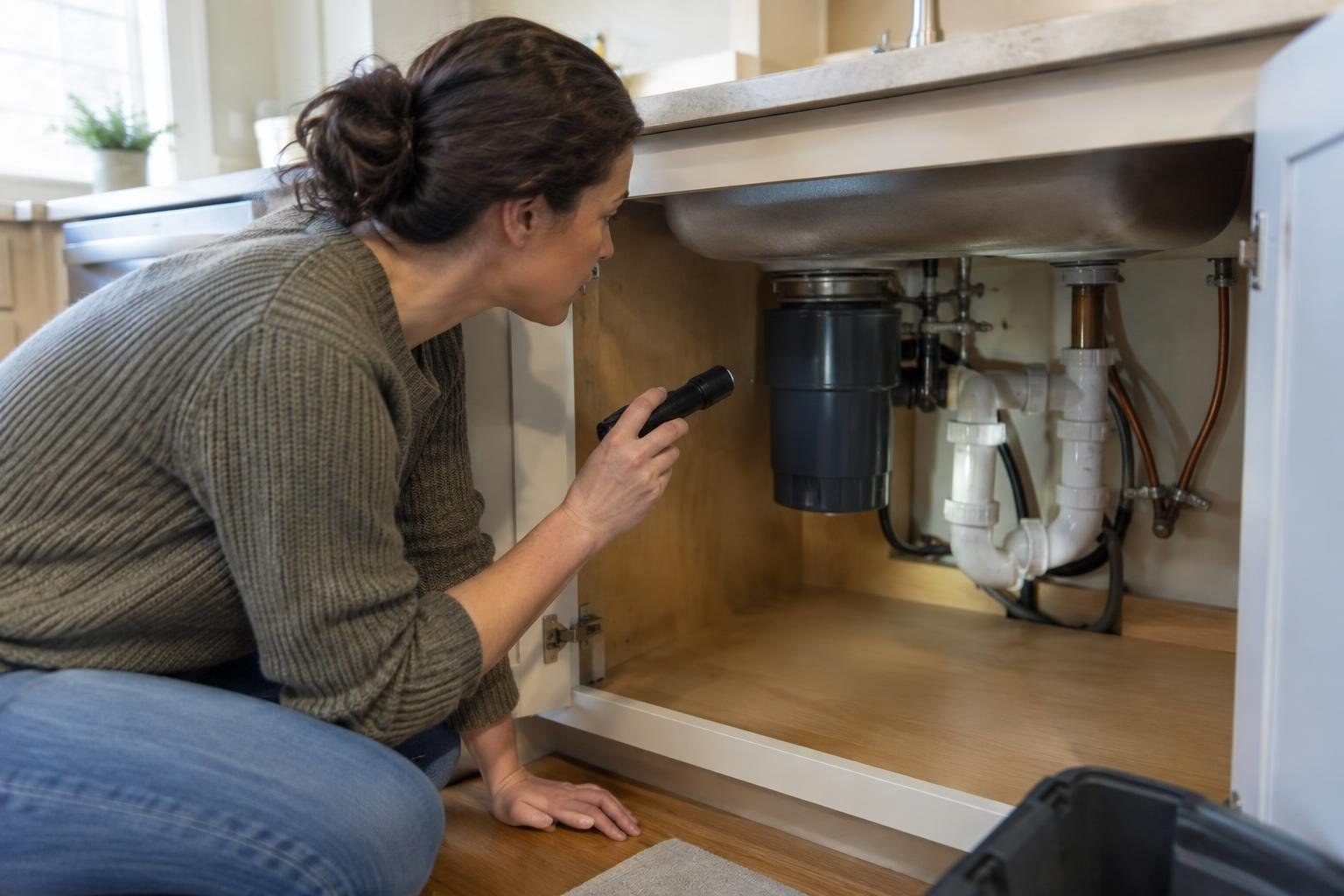
Start with a slow walkthrough in daylight if possible. Look and listen before turning on or using anything that seems damaged. Check the kitchen and bathrooms, visible plumbing, floors near appliances, and the areas around doors and windows. Note anything unusual so you can report it clearly if you call a provider.
Once urgent concerns are ruled out, restore the rooms that make the house usable: the bedroom, bathroom, and kitchen. Open windows only when it is safe and appropriate to do so. A closed-up home may feel stale after an absence; identify the source of an odor rather than relying on fragrance to cover it.
Keep the first pass simple: inspect, document, prioritize, then clean or arrange help. If the home was vacant, ask a trusted person or property manager to check for visible problems on future trips. Agree on what they should inspect and how they will contact you.
What home maintenance after a trip can include
A post-trip reset can include a visual check, routine cleaning, restocking essentials, and scheduling repairs or yard work. These are separate tasks, though. A cleaner may remove dust and tidy rooms, while a plumbing concern or pest problem calls for a provider whose work covers that issue.
Before booking, list what you actually want done. For example:
- Walkthrough: Check for visible leaks, damage, unusual odors, pest signs, or possible unauthorized entry.
- Cleaning: Dust furniture, floors, ceiling fans, and window coverings; clean kitchen and bathroom surfaces; empty bins if needed.
- Upkeep: Arrange routine yard care or other maintenance that was missed during the absence.
- Follow-up: Document concerns and contact the appropriate repair or inspection professional.
Ask a provider to separate the tasks they will complete from issues they will simply report. A general cleaning visit should not be treated as a technical inspection unless that is explicitly part of the provider’s service and qualifications.
Signs you may need more than a quick tidy
Several signs suggest that a quick tidy may not be enough. Look for dust on furniture, floors, fans, or window coverings; persistent stale or unusual odors; visible grime; neglected yard work; or evidence of pests or water. A visible problem does not automatically reveal its cause, so do not guess at repairs.
Consider a one-time deep clean if ordinary maintenance will not address the buildup. If the home also needs post-renovation cleanup, stubborn residue removal, or specialist equipment, ask whether the cleaner offers that work. If the concern is damage, plumbing, or pests, contact a relevant professional instead of expanding a cleaning appointment beyond its scope.
Prioritize by risk and need: active or suspected damage first, then essential living areas, then cosmetic cleaning and less-used rooms.
Cost considerations: compare scope, not just the total
There is no reliable single price for home maintenance after a trip. The total depends on the size and condition of the home, the tasks requested, access, and whether the work requires specialized equipment or a separate trade. Because costs vary by location and project, compare estimates for the same scope rather than relying on a generic figure.
Ask for a written estimate that makes clear:
- Which rooms, surfaces, and tasks are included.
- Whether the quote covers routine cleaning only or a deeper service.
- What supplies, equipment, disposal, or additional visits may cost extra.
- How the provider will handle newly discovered damage or work outside the scope.
- When payment is due and what happens if the scope changes.
A low estimate may not be comparable if it excludes the work you need. Request a revised scope rather than assuming additional tasks are included. Do not approve open-ended repairs without a description of the work and the price or approval process.
Factors that affect the project
Several details can change the amount of work involved. A lightly used, tidy home may need routine dusting and a walkthrough; visible buildup or neglected tasks may require more time. A larger task list, hard-to-reach areas, heavy residue, specialist equipment, or separate repair work can also change the scope.
Be clear about the length of the absence and what was done before leaving, but do not assume that every home needs the same checklist. For future trips, clearing food and trash, leaving the kitchen clean, and addressing obvious entry points can reduce the chance of avoidable mess or pest concerns.
Tell providers about access constraints and any known concerns before they quote. Accurate details help them recommend an appropriate service and reduce surprises on the day.
Compare DIY, routine cleaning, deep cleaning, and specialist help
Choose the level of service that fits the condition of the home. A part-time or routine cleaner may be suitable for maintenance cleaning, but not for heavy post-renovation residue, stubborn buildup, or specialist machine work. A one-time deep clean may fit a home that needs more attention than regular upkeep.
| Option | Best fit | Confirm before booking |
|---|---|---|
| DIY walkthrough and tidy | No visible damage and a manageable cleaning list | Which concerns need a specialist rather than household cleaning |
| Routine cleaning | Light, ordinary upkeep | Rooms, surfaces, and tasks included |
| One-time deep clean | More detailed cleaning or noticeable buildup | Whether heavy residue or equipment work is included |
| Repair or pest professional | A suspected technical problem or infestation | Relevant qualifications, scope, and follow-up process |
If your return overlaps with a move, handover, or renovation, explain that context. The required cleanup may differ from regular home maintenance.
What to expect, including timing and results
How long the work takes depends on the home’s condition, its size, the agreed list of tasks, and whether providers find a problem that needs separate attention. Avoid booking a tight turnaround before you know what the visit includes. Ask for an expected arrival window, an estimated duration, and how the provider will tell you about delays or additional work.
For a smoother return, schedule essential cleaning and any known yard or maintenance tasks before less urgent work. If you are hiring multiple providers, coordinate access and sequence: a repair or inspection may need to happen before cleaning the affected area.
Results should match the written scope. Ask how the provider will handle missed tasks or newly discovered concerns, and inspect the completed work before closing out the appointment.
How to choose a qualified provider
Choose help based on the work your home needs, rather than relying on a broad label such as “home maintenance.” For routine cleaning, confirm which rooms and tasks are included. A part-time cleaner may be suitable for maintenance cleaning, but may not be the right fit for heavy post-renovation residue, stubborn buildup, or specialist machine work. Ask whether a one-time deep clean or another service is more appropriate for those tasks.
If you need someone to check a vacant home, consider a property manager or periodic visitor who can look for visible issues such as leaks, pests, or signs of a break-in. Before booking, write down what you want checked and ask what the provider will inspect and report. Include any routine upkeep, such as lawn care, only if it is part of the agreed visit.
Permits, credentials, warranties, and safety
Cleaning and general upkeep do not have one universal permit or credential requirement. Rules can depend on the work and location, especially when a job involves repairs or specialized services. Ask the provider what credentials, permits, or insurance are relevant to the specific work, then verify any local requirement with the appropriate local authority.
Safety comes first. Do not touch damaged electrical equipment, attempt a repair you are not equipped to handle, or use a fixture that appears unsafe. If you find signs of a water problem, avoid treating it as a cleaning issue. A provider should explain the limits of their service and recommend the right next step when work falls outside their expertise.
Read the written terms for what is covered, how complaints or missed work are handled, and whether any warranty applies. Do not assume a cleaning service includes a warranty or that a repair guarantee covers unrelated work.
Ways to reduce cost without cutting corners
Save safely by narrowing the scope, not by ignoring a possible hazard. Make a short priority list and handle simple, safe tidying yourself. Ask providers to quote essential tasks separately from optional work so you can decide what to schedule now and what can wait.
- Compare at least two written scopes when practical, and ensure they cover the same tasks.
- Group compatible cleaning tasks into one visit if it reduces duplicated setup or travel charges.
- Prepare access, move everyday items from work areas, and share photos of visible concerns before the appointment.
- Ask about maintenance-cleaning versus deep-cleaning options.
- Do not choose a cheaper service that omits the repair, inspection, or equipment work you actually need.
If you travel often, arrange periodic check-ins with a trusted person or property manager to look for visible issues. Agree on a reporting plan so a small concern is less likely to go unnoticed for weeks.
Common mistakes, red flags, and a practical checklist
Avoid treating air freshener as a solution to an unexplained odor, assuming a cleaner can diagnose a repair, or booking a routine service for work that needs specialist equipment. Do not let a provider start added work without clear approval. Be cautious of vague estimates, unclear access arrangements, pressure to pay for unspecified extras, or promises that do not explain what the service includes.
Use this return-home checklist:
- Walk through the home and note visible damage, unusual odors, pest signs, or possible entry.
- Address suspected leaks or safety concerns before routine cleaning.
- Decide which essential rooms need attention first.
- Choose DIY upkeep, routine cleaning, deep cleaning, or a specialist based on the task.
- Get a written scope, estimate, schedule, access plan, and process for extra work.
- Review the completed work and arrange follow-up for anything outside the service.
Before your next extended trip, consider cleaning the kitchen, emptying trash, checking visible plumbing, securing obvious entry points, and arranging periodic visits. The goal is to reduce avoidable problems, not to assume every risk can be eliminated.
Make a practical plan for your return
Home maintenance after returning from an extended trip is not one standard service. Start by checking for urgent problems, then decide which cleaning or upkeep tasks will make the home comfortable and functional. Keep repair, pest, and specialist work separate from ordinary cleaning unless the provider clearly offers and is qualified for that work.
Before you book, compare written scopes, ask how access and extra work will be handled, and confirm the provider’s qualifications for the job. A short, prioritized plan helps you spend on the work that matters and avoid paying for a service that does not fit the home’s condition.
When you are ready, compare options, get informed, and search for providers on Estimate.org.
Frequently asked questions
What should I do first when I get home after a long trip?
Start with a walkthrough before unpacking. Check for signs of water leaks, unusual odors, pest activity, damage, or a possible break-in. Address urgent safety or property concerns first, then clean and restock the rooms you need most. If you see a leak or suspect a hazard, avoid using affected fixtures or equipment until it has been assessed.
Should I hire a cleaner after an extended trip?
It depends on what happened while you were away and how clean the home was before you left. A tidy home may need only a walkthrough, airing out, and routine cleaning. Dust, stale odors, visible grime, or a housing transition may call for a deeper, one-time clean. A cleaner is not a substitute for a qualified repair or pest professional when there is damage or an infestation.
How much does home maintenance after a trip cost?
There is no universal price. The cost depends on the home, the condition, the tasks included, and whether the work needs specialized equipment or expertise. Ask for an itemized scope and clarify what is excluded before comparing estimates. Do not assume a maintenance-cleaning quote covers heavy buildup, repairs, or specialist work.
How do I freshen a home that has been closed up?
First confirm the source of the odor, rather than covering it with fragrance. A closed home can smell stale after an absence, but persistent or unusual odors may point to a problem that needs attention. Ventilate when it is safe to do so, remove any obvious source, and contact an appropriate professional if the smell continues or suggests a hazard.
What should a home checkup include after an extended absence?
A basic visit can include a visual check for leaks, signs of pests or entry, and obvious damage, along with routine upkeep such as cleaning or yard care if those tasks are part of the agreed scope. Ask the provider to describe exactly what they inspect, what they document, and what they will report rather than assuming every visit includes the same checks.
What home maintenance tasks should I prioritize first?
Prioritize tasks that restore safe access to essential spaces and prevent an active problem from worsening. Deal with suspected leaks, damage, security concerns, or unusual odors before routine dusting. Then focus on the kitchen, bathroom, and bedroom you need first; less-used rooms can follow.
How do I choose a home maintenance provider?
Ask for a written scope, references or relevant work examples, proof of any required license or insurance for the work, and clear terms for payment, access, and follow-up. Requirements vary by location and service. For cleaning, distinguish ordinary maintenance from deep cleaning or specialist tasks.
Can a house cleaner inspect for leaks or repair damage?
Yes. A cleaner can help with cleaning, but that does not mean the cleaner is qualified to diagnose or repair plumbing, electrical, structural, or pest problems. For a concern beyond the agreed cleaning scope, use a provider qualified for that specific work and confirm local requirements where applicable.
People Also Ask
What should I check when I return home after a long trip?
Do a walkthrough for leaks, odors, pest activity, visible damage, and signs of entry before unpacking. Address urgent problems first, then restore essential rooms.
Do I need a deep clean after being away?
Not always. A home that was left clean may need only basic upkeep. A deeper clean may be useful if there is noticeable dust, buildup, or an overlapping move or renovation.
What affects the cost of post-trip home maintenance?
There is no set price that applies to every home. Scope, condition, home size, and specialist tasks affect the estimate, so request a written breakdown.
Why does my house smell stale after vacation?
A closed home can smell stale, but fragrance only masks odors. Look for the source, ventilate if safe, and seek help if an unusual smell persists.
What should I clean first after returning from a trip?
Prioritize water, security, and safety concerns, then focus on the rooms you need for sleeping, bathing, and cooking.
What should I ask a home maintenance provider?
Ask for a written list of tasks, qualifications relevant to the work, references or examples, access terms, and a clear price and follow-up plan.
Should someone check my home while I am away?
A periodic visit may help identify visible issues such as leaks, pests, or possible break-ins while a home is vacant. Agree in advance on what the visitor checks and reports.
Returning home after a long trip is a good time to check for problems before they spread and make the spaces you use most comfortable again. Start with a calm walkthrough, deal with water or security concerns first, then prioritize cleaning and routine upkeep. Match the work to the actual condition of your home rather than booking a one-size-fits-all service. When you need help, compare written scopes, timing, and provider qualifications before deciding.
Your next step
Compare home service options, learn what to ask, and search for providers on Estimate.org.
Browse qualified providersLearn more about a Management or Concierge Plan
Last reviewed and updated October 5, 2026 by the Housemanagers.com Editorial Team.
Sources
- The First Thing Your House Needs After You Return From Vacation | Wander With Wonder
- Don't Leave for Vacation Until You've Done These 30 Things Around Your House
- Your Home, While You're Away: A Summer Travel Checklist
- Manage Home Cleaning After a Long Holiday Efficiently
- Essential Maintenance Tasks for People Who Travel Often – 92755
- 8 Home Maintenance Tips Before Leaving for a Long Trip
- How to Maintain a Vacation Home: Maintenance Checklists & Remote-Care Tips
- Cleaning a Home After Extended Travel: A Practical Reset for a Comfortable Return The Hype Magazine: Unveiling the Pulse of Urban Culture – From Hip Hop to Hollywood! Explore a Diverse Tapestry of Stories, Interviews, and Impactful Editorials Spanning Fashion, Gaming, Movies, MMA, EDM, Rock, and Bey