Fall is a useful time to look for small problems around your home before colder weather makes access, repairs, or routine upkeep more difficult. A few checks can help you spot damage, clear drainage paths, prepare equipment, and decide which work needs professional attention. The right fall home maintenance checklist depends on your home, its systems, and local weather, so treat this guide as a starting point rather than a one-size-fits-all inspection. Work safely, follow manufacturer instructions, and get qualified help for tasks that involve roofs, heating equipment, or other hazards.
What a fall home maintenance checklist includes
Fall maintenance is a planned check of the home's exterior, drainage, heating and safety systems, and other areas that may be affected by colder weather. The goal is to spot concerns early, complete routine care, and decide which repairs need a professional.
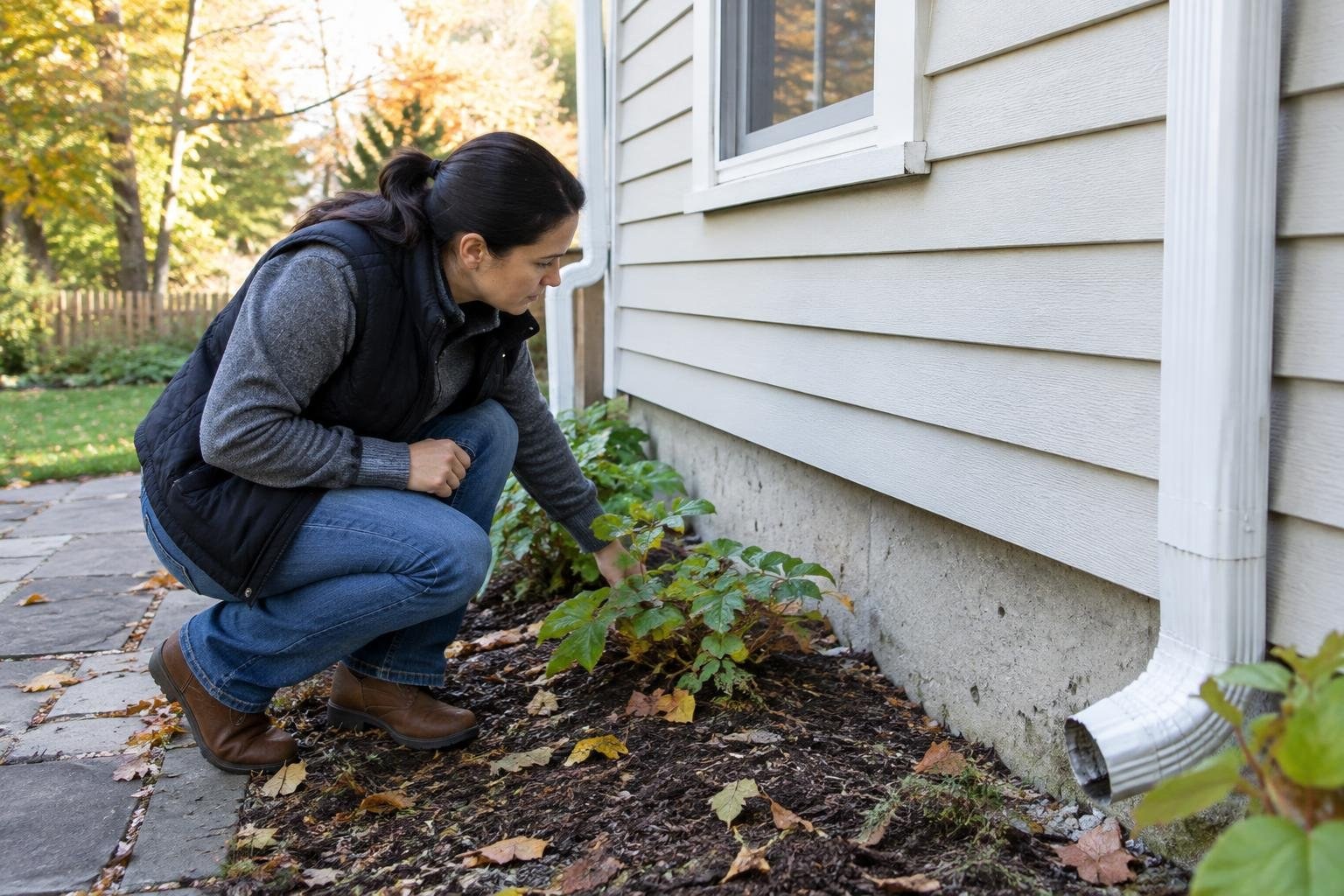
Start with a walk around the property. Look for visible damage to the roof, siding, and foundation, and note anything that may need attention before winter weather. Check accessible areas only; a ground-level look is not a substitute for a full roof inspection.
Next, review gutters and downspouts, check for drafts, prepare outdoor faucets, and make sure heating equipment is ready for the season. Test smoke and carbon monoxide detectors, and follow the manufacturer's maintenance instructions for appliances and equipment. If your home has a wood-burning stove or chimney, include appropriate professional inspection and cleaning in your plan.
Write down each task, its urgency, and whether it is a do-it-yourself job or professional service. That makes it easier to budget and book the work in a sensible order.
Signs your home may need attention before winter
Do a slow exterior walk-around and look for signs that water or weather may be affecting the home. Examples include visible roof damage, loose or damaged siding, and problems around the foundation. Check for clogged or disconnected-looking drainage components from a safe location.
Indoors, notice drafts, damp-looking areas, or changes in how heating equipment operates. These observations do not prove a specific fault, but they can help you decide what to investigate. Record where you noticed the issue and take a photo when it is safe and useful.
Prioritize active leaks, damage that appears to be worsening, and concerns involving heating or safety devices. Do not wait for a seasonal checklist if you find a condition that could create immediate danger or further damage. Contact the appropriate qualified professional for an assessment.
Fall home maintenance costs and estimates
Fall maintenance does not have one standard price. A checklist may involve low-cost tasks you do yourself, paid cleaning or inspection visits, or larger repairs uncovered during an inspection. A repair estimate should be based on the actual work, not simply the season.
Costs can vary with the home's size and condition, the amount of debris or damage, access to the work area, materials, and local provider rates. A routine gutter cleaning is different from repairing damaged drainage. A roof inspection is different from roof repair. Heating-system maintenance is different from replacing equipment.
Ask providers to separate inspection, labor, materials, and recommended repairs where practical. Request an explanation of anything described as urgent and ask whether the quoted work addresses the cause or only a visible symptom. Compare estimates for the same scope, and check what is excluded. Avoid choosing only by the lowest total if the proposed work or terms are unclear.
Because location, home condition, and scope all affect pricing, get current written estimates for your property before setting a budget.
Factors that affect the project and its price
Several factors shape the work involved and the price: the condition of the home, the type and number of systems, the amount of cleaning or repair required, safe access, and whether a professional inspection identifies a larger problem.
Weather and timing can also affect scheduling. The checklist is meant to help homeowners address relevant tasks before temperatures dip, but the best order depends on your local conditions and the work involved. Exterior repairs that need safe, suitable conditions may require advance planning.
Prepare before requesting estimates. Note the location of the problem, how long you have noticed it, and any related signs such as water entry or drafts. Share photos when useful, but do not use them as a substitute for an on-site assessment when one is needed. Clear descriptions help providers understand the request and make it easier to compare their recommendations.
DIY or hire a professional? Compare the tradeoffs
For some checklist items, the choice is between doing a safe, simple task yourself and hiring a professional. Testing alarms or making a ground-level visual check may be manageable for many homeowners. Work on a roof, heating equipment, or chimney can involve greater risk or specialized knowledge.
For roofing, a walk around the home may help you notice missing shingles, but a licensed professional can provide a full inspection and handle repairs. For heating equipment, follow the manufacturer's instructions and use a qualified service provider when the work is beyond routine homeowner care. Wood-burning stoves and chimneys also need appropriate inspection so potential safety issues can be identified.
DIY can save on labor for tasks you can complete safely and correctly. Professional service can bring a fuller assessment for work that is difficult to access or evaluate. Compare the task, the risk, and your ability before deciding. Never take on work just to avoid a service cost if it puts you or the home at risk.
What to expect and when to schedule fall tasks
Start early enough to inspect, plan, and book any work that needs a provider. The actual schedule depends on the task, access, weather, provider availability, and whether an inspection reveals repairs. Ask for the expected start date, duration, and any conditions that could change the plan.
A practical sequence is to identify visible exterior concerns, arrange inspections or estimates, complete needed repairs, and then finish routine preparation such as gutter care, draft checks, and safety-device testing. Some jobs can be done in parallel; others depend on an inspection or repair decision.
When booking, clarify whether the quote covers a visit, cleaning, inspection, repair, or more than one of these. Ask whether you need to be home, move belongings, or provide access. Keep written notes of what was completed and any follow-up work recommended. If a provider finds an additional problem, request an explanation and revised scope before approving extra work.
How to choose a qualified home maintenance provider
Choose a provider whose experience matches the job. Ask who will perform the work, what the inspection or service includes, and how the provider will document findings. For roof inspections and repairs, Nationwide recommends hiring a licensed professional. Licensing rules and other requirements can vary by location, so check the requirements that apply where you live.
Before hiring, request a written estimate that describes the work, materials if applicable, exclusions, and how additional work will be approved. Ask for references or reviews and confirm that the provider can explain the problem and proposed solution in plain language. Compare more than the final price: scope, schedule, communication, and written terms matter too.
A trustworthy provider should be willing to answer reasonable questions and distinguish necessary work from optional recommendations. Be cautious if someone pressures you to approve work immediately without a clear explanation or written scope.
Safety, permits, credentials, and warranty questions
Some fall tasks have safety considerations that are easy to overlook. Do not attempt a roof inspection by climbing onto the roof. Arrange professional inspection and repair when you need a fuller assessment. For chimney or wood-burning stove care, use an appropriate professional rather than assuming the appliance is safe because it appears to work.
Chimney cleaning and inspection may include checking for soot buildup, obstructions, cracks in the liner, and signs of water damage. If a provider identifies a concern, ask what was found, what work is recommended, and whether the issue needs prompt attention.
Use and maintain heating equipment according to the manufacturer's advice. Keep smoke and carbon monoxide detectors in your seasonal safety checks and follow their instructions. Before approving repairs, ask about any applicable local permit or inspection requirements. Requirements depend on the project and location, so confirm them with the local authority or a qualified provider rather than assuming they are the same everywhere.
Ask for warranty terms in writing when a repair or installation includes a warranty. Confirm what it covers, how long it applies, and who handles a claim.
Ways to save on fall maintenance without cutting corners
Saving safely starts with separating routine care from repairs. Handle tasks that are within your ability, such as a visual walk-around or testing alarms, and set aside professional work for tasks that require access, technical knowledge, or specialized equipment.
Bundle related questions into one visit when it makes sense, but do not assume a package includes every inspection or repair you need. Ask what is included and compare the itemized scope. Book early enough to avoid making rushed decisions, and gather more than one estimate for significant work when time and conditions allow.
Keep gutters, downspouts, and exterior areas on your checklist so you can identify obvious issues before they become larger projects. If you prune branches, use safe practices and avoid work near hazards or beyond your abilities. Do not operate unfamiliar machinery just to turn branches into mulch or firewood. The safest saving is avoiding unnecessary work without skipping maintenance that protects people or property.
Fall home maintenance checklist and common mistakes
Use this 12-task checklist as a starting point and adapt it to your home:
- Walk around the property and look for visible roof damage from the ground.
- Check siding and the foundation for visible damage.
- Schedule repairs for exterior damage you find before winter weather.
- Check gutters and downspouts, and arrange cleaning or repairs where needed.
- Look for air leaks and decide whether sealing is appropriate.
- Prepare outdoor faucets for the conditions in your area.
- Arrange heating-system maintenance in line with manufacturer guidance.
- Arrange an appropriate professional inspection of a wood-burning stove.
- Arrange professional chimney inspection and cleaning as appropriate.
- Test smoke detectors.
- Test carbon monoxide detectors.
- Record repairs, estimates, provider details, and follow-up dates.
Common mistakes include treating a quick visual check as a full inspection, climbing onto a roof without appropriate training, ignoring a provider's unclear scope, and leaving safety questions until after cold weather arrives. A checklist is a planning tool, not proof that every system is safe or in good condition.
Make a simple home maintenance record
Keep the checklist manageable by assigning each item one of three labels: do now, schedule a professional, or monitor. Do now should be limited to work you can complete safely. Schedule a professional for inspections, repairs, and equipment service that call for specialized skills. Monitor items should still have a date for a follow-up check.
Save estimates, invoices, service notes, and photos together. This gives you a record of what was done and makes it easier to explain a recurring problem. If a provider recommends additional repairs, ask for the finding and proposed fix in writing before making a decision.
Review the list again after the season's first significant weather change or when you notice a new problem. A simple record helps you plan next year's maintenance and avoid relying on memory alone.
Frequently asked questions
What should be on a fall home maintenance checklist?
Begin with exterior checks for visible roof, siding, foundation, and drainage problems. Then clean gutters as needed, prepare outdoor faucets, check for drafts, arrange heating-system maintenance as needed, and test smoke and carbon monoxide detectors. Adapt the list to your home and local conditions.
Should I inspect my roof myself in the fall?
Inspect accessible areas from the ground for visible damage, but do not climb onto a roof. A walk-around can reveal missing shingles or other concerns; a licensed professional can perform a fuller roof inspection and handle repairs.
How much does fall home maintenance cost?
Costs depend on the work, the home's condition and size, access, materials, and local provider rates. Routine cleaning and inspections differ from repairs or equipment replacement. Ask for written, itemized estimates rather than relying on a single bundled price.
When should I start fall home maintenance?
Schedule tasks that depend on a professional before the weather turns and providers become busy. The time needed varies by task, access, weather, and whether an inspection finds repairs. Ask each provider for a realistic schedule and what could delay the work.
Can I do fall home maintenance myself?
Often, yes. Homeowners can usually handle simple visual checks, testing alarms, and other tasks they can complete safely. Use qualified professionals for roof work, heating-system service, chimney inspections, and repairs involving unfamiliar or hazardous equipment.
How do I choose a home maintenance contractor?
Look for relevant experience, clear written estimates, references or reviews, and any license required for the work in your area. Confirm what the estimate includes, how changes are approved, and whether the provider offers written warranty terms.
People Also Ask
What is the most important fall home maintenance?
Prioritize visible exterior damage, gutters and downspouts, heating-system readiness, drafts, outdoor faucets, and smoke and carbon monoxide alarms. Address urgent safety or water concerns first.
How do I prepare my roof for fall?
A walk around the home can help you spot visible concerns such as missing shingles, damaged siding, or foundation problems. For a full roof inspection or repairs, use a qualified professional.
Should gutters be cleaned every fall?
Check gutters and downspouts in the fall and arrange cleaning if they need it. Cleaning is not automatically necessary every year; if access is unsafe or the drainage system is damaged, consider hiring a professional.
Should I service my heating system before winter?
Arrange a check or service in line with the equipment maker's guidance and the system's condition. Ask a qualified provider what the visit covers and whether any repairs are recommended.
Which safety checks should I do before winter?
Test smoke and carbon monoxide detectors as part of seasonal preparation and follow their manufacturer instructions. Replace or maintain devices as directed.
What affects the cost of a fall home maintenance checklist?
There is no single price that fits every home. The scope, home condition, access, repair needs, materials, and local labor rates affect estimates. Request itemized quotes for the same work.
Which fall home maintenance tasks need a professional?
A homeowner can do safe visual checks and simple tasks within their ability. Roof inspections, heating-system work, and chimney inspections are better handled by qualified professionals.
A fall home maintenance checklist is most useful when it helps you catch small issues before colder weather makes them harder to address. Start with the roof and drainage, prepare heating and plumbing systems, seal obvious drafts, and check alarms. Handle safe, manageable tasks yourself, and bring in qualified professionals for roof work, heating equipment, chimneys, or repairs that exceed your skills. Keep notes and photos so you can prioritize work and compare estimates clearly.
Your next step
Compare home service options, learn what to ask before hiring, and search for providers on Estimate.org.
Browse qualified providersLearn more about a Management or Concierge Plan
Last reviewed and updated October 5, 2026 by the Housemanagers.com Editorial Team.
Sources
- Your Fall Home Maintenance Checklist
- Fall Home Maintenance Checklist – Nationwide
- Fall Home Maintenance Checklist: 23 To-Dos + Downloadable
- Prep Your Home for Winter with Our Fall Maintenance Checklist
- Fall Home Maintenance Checklist: 20 Things to Do Every Year
- Fall Home Maintenance Checklist – The Home Depot
- Fall Home Maintenance [Checklist] | Allstate
- Fall Home Maintenance Checklist – State Farm®