
You may be hundreds of miles away when the person checking your Florida home texts that something looks different. A home watch service can give you scheduled local visits and reports while the property is unoccupied, but the value depends on what the provider actually checks, how concerns are escalated, and who has authority to arrange work. If you own homes in more than one state, a written process can make it easier to stay informed without relying on a neighbor to manage every detail.
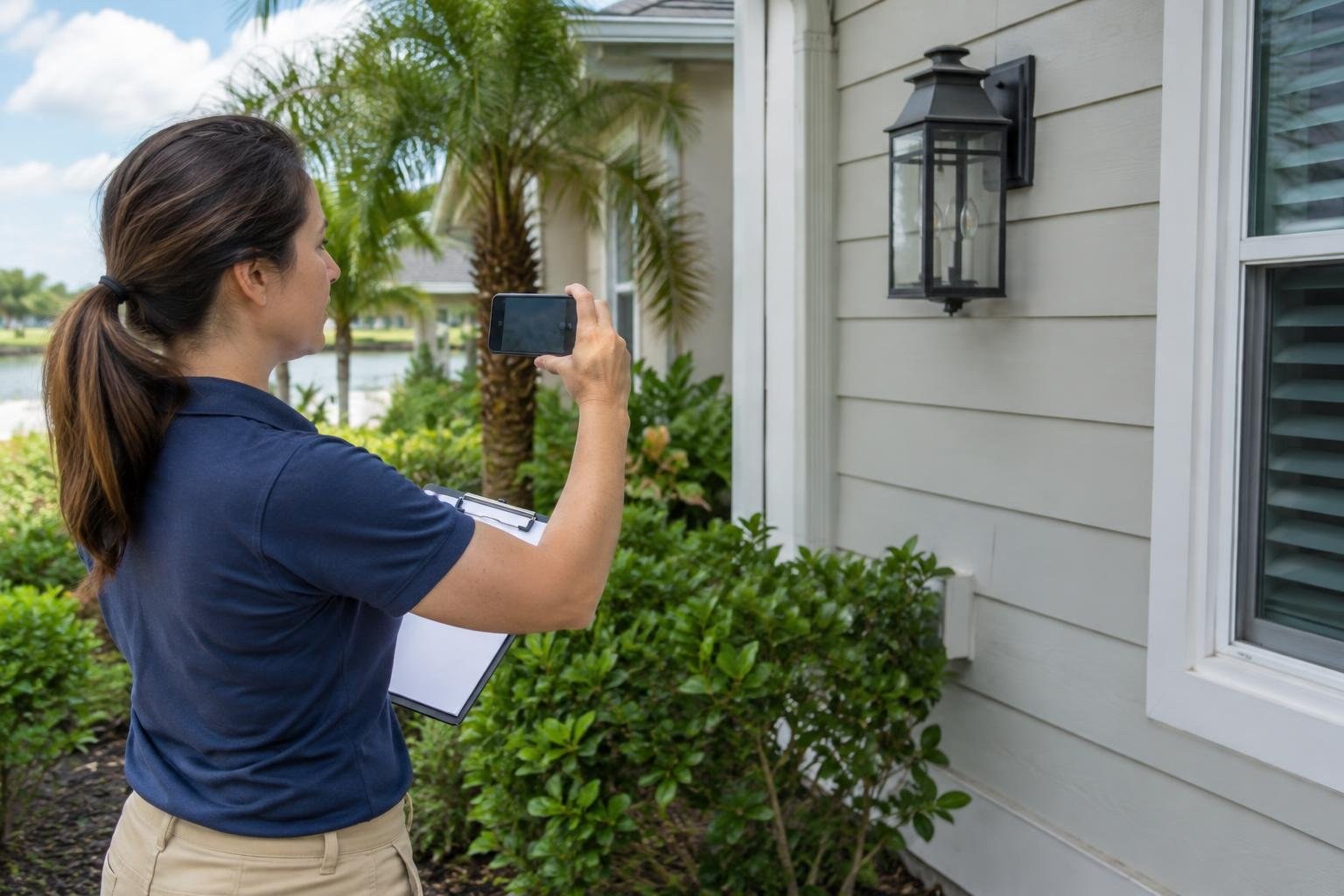
What a home watch service includes and how it works
Start with a conversation about the home, how long it will be vacant, and what you want to know while you are away. The provider should describe the visit schedule and specific tasks in a written scope. Ask whether the service is limited to routine visits or also includes agreed coordination, such as arranging contractor access or sending follow-up updates.
Some providers describe regular or weekly inspections, while others offer a broader range of home watch or concierge services. Those descriptions are not a common standard. Compare the actual checklist and deliverables rather than relying on a label such as “full service.”
A useful visit report should identify the visit date, observations, photographs when appropriate, and unresolved items. Confirm when you will receive it and how urgent concerns are communicated. Get agreement on who can authorize spending and what the provider may do before reaching you.
Signs you may need home watch support
Consider hiring local help when no one is consistently available to visit, you travel often, or you own a seasonal home that remains unoccupied for extended periods. It may also be useful when managing access, appointments, and follow-up from another state is becoming a recurring task.
Think about the practical signals: you have missed or delayed information about a property concern; a neighbor is being asked to take on ongoing responsibilities; you cannot tell whether a scheduled check happened; or contractor access requires repeated calls and coordination. These are reasons to assess your process, not proof that a particular provider is necessary.
Some owners need only periodic visits and a clear report. Others may want help coordinating additional services. Regional providers advertise home watch for seasonal, private, and vacation-home owners, but the included work differs. Match the service to your absence, property, and preferred level of involvement.
Home watch cost and pricing considerations
There is no reliable single price to assume for every Florida property. Ask for a written quote based on your address, requested schedule, and exact scope. Compare the recurring charge with any separate fees for added visits, access arrangements, contractor coordination, or other tasks.
Ask whether the price is per visit, a monthly arrangement, or another structure, and what happens if you request an unscheduled visit. Confirm whether travel, holiday visits, report photographs, and follow-up communications are included. The quote should distinguish the provider’s fee from contractor charges and materials.
Do not compare two totals until you know whether they cover the same work. A lower quote may reflect fewer visits or a narrower checklist; a higher quote is not proof of better service. Request a sample report and a clear list of exclusions before deciding.
Factors that shape the visit plan
The right scope depends on the property, your travel pattern, and what you expect the provider to do. A detached house, condominium, and multi-home property can have different access arrangements and responsibilities. For a condominium, ask how visits coordinate with building access procedures and which concerns belong to the unit owner versus the association. Do not assume the provider can enter shared or restricted areas.
For a Florida home, discuss the property’s specific systems and exposures rather than assuming a generic checklist is enough. Ask how visits address visible signs of water intrusion, air-conditioning concerns, humidity readings if offered, storm-related observations, pests, pool areas, landscaping, or coastal exposure. Clarify what the provider can observe and when a specialist is required.
Tell the provider whether the home is occupied year-round, used seasonally, or vacant between visits. Share relevant instructions from your insurance policy, equipment manuals, association, and service professionals, then confirm which of those instructions the provider has agreed to follow.
Options and tradeoffs: home watch, home management, or rental management
Home watch, home management, rental management, and technical inspection are not interchangeable terms. A home watch arrangement generally centers on scheduled visits and reporting. A house management firm may coordinate a broader set of household tasks, but the scope should still be spelled out. Rental property management involves responsibilities tied to rental activity, which should not be assumed as part of home watch.
A provider may offer a narrow visit service or advertise additional concierge services. A separate home management arrangement may make sense if you need ongoing scheduling, access coordination, and follow-up across multiple providers. If your need is only a periodic check while you travel, a limited service may be more proportionate.
Neither a home watch visit nor a general management service replaces qualified trade work. The provider can communicate an observed issue and coordinate an appointment if authorized; a specialist diagnoses and performs work within that specialist’s expertise. Compare these roles before signing.
What to expect, including timing and visit frequency
Agree on the start date, first-visit timing, normal visit cadence, report delivery, and how to request extra help. Some Florida providers describe weekly visits, but that is one offering, not a universal requirement. Choose a schedule based on your home, time away, and other arrangements rather than copying another owner’s plan.
Set expectations for what happens when an appointment is missed, a provider cannot enter, or a concern requires attention between scheduled visits. Ask whether the provider has a backup contact and what communication method is used if you are unavailable. Do not assume that routine visits mean continuous monitoring or immediate access after a storm.
At the beginning, provide written property instructions and emergency contacts. After the first report, review whether the observations and format answer your questions. Adjust the scope by agreement if you need different information or more frequent contact.
How to choose a qualified home watch provider
Ask each candidate for a written description of the service, a sample report, references, and proof of current insurance. Ask how long they have provided home watch, which property types and locations they serve, and how they handle a reportable concern. A claim of experience or a directory listing is a starting point for questions, not a substitute for checking the details.
Compare communication habits as well as the visit checklist. Who sends the report? How soon? Are photographs included when relevant? How are unresolved items tracked? Who contacts you if a contractor recommends additional work? Ask for a sample communication so you can judge whether it is understandable and complete.
For owners with several homes, ask about coverage boundaries and backup arrangements. Some businesses describe service across multiple Southwest Florida communities, but a provider’s stated area does not by itself establish availability at your address. Confirm travel expectations and any limits before signing.
Credentials, contractor work, safety, and warranties
Ask what insurance the provider carries and request current documentation. Do not treat words such as “licensed,” “bonded,” or “insured” in promotional material as a complete explanation of the coverage or work authorization. Confirm what applies to the home watch service and what is required for any additional work.
Home watch is not a technical inspection. If the provider observes a concern involving electrical, plumbing, air-conditioning, structural, pool, or other specialized systems, ask how it will be referred to an appropriately qualified specialist. The provider should not be expected to diagnose or repair beyond the agreed role and expertise.
For contractor work, obtain a written scope and estimate, confirm who is responsible for permits or approvals when applicable, and retain warranties and paid invoices. Requirements can depend on the work and location, so confirm them with the relevant local authority or qualified professional rather than relying on a home watch provider’s general visit.
Ways to control cost without weakening oversight
You can control costs without cutting out useful oversight. First, request comparable quotes for the same visit schedule and checklist. Then ask which optional tasks you can handle yourself when you are in town and which should be assigned to a local provider. A focused scope can be more useful than paying for services you do not need.
Reduce avoidable coordination by keeping one current property file with equipment instructions, preferred contacts, access rules, and approval limits. Tell the provider how to reach you and name a backup decision-maker if you choose. When contractor work is proposed, ask for a written estimate and approve additions before they proceed, except for any narrowly defined emergency authority you have agreed to in advance.
Do not save money by giving uncontrolled access, skipping insurance checks, or leaving the provider unsure about authority. Clarify any referral fee or financial relationship involving recommended contractors, and decide whether you are comfortable with the arrangement.
Red flags and a practical hiring checklist
Be cautious if a provider will not put the scope, visit schedule, fees, or access rules in writing; cannot explain what a report includes; or expects broad spending authority without a clear limit. Also pause if you are told that routine visits guarantee protection or replace specialist assessment. Home watch providers describe scheduled visits, not risk-free ownership.
Before the first visit, use this checklist:
- Write down visit frequency, checklist, report format, and expected delivery time.
- Agree on key or code handling, permitted access, and how access is returned.
- List owner, backup, and emergency contacts, including preferred contact methods.
- Set a spending limit and specify which work always requires approval.
- Document how contractors are selected, scheduled, and given access.
- Ask how unfinished work and repeat visits are tracked.
- Keep estimates, approvals, visit reports, photographs, invoices, and warranties together.
Review the arrangement after the first few reports and whenever your occupancy or travel plans change.
Example: from a reported concern to documented follow-up
Example: An owner living outside Florida receives a scheduled visit report noting an unusual condition near an air-conditioning system. The provider sends dated photographs and contacts the owner using the agreed procedure. The owner asks for a qualified HVAC contractor to assess the equipment and approves the written estimate before work begins.
The home watch provider arranges access only if that responsibility is included in the agreement, then records whether the appointment occurred and requests a completion update. The contractor diagnoses and performs the technical work. The owner receives the report, estimate, approval record, and invoice to compare with the authorized scope.
This example shows how clear roles can reduce confusion; it does not mean every provider offers contractor coordination or that every concern will be noticed during a scheduled visit. Define the tasks and decision authority in advance.
Questions to ask before you hire
Use these questions in a provider interview:
- What exactly is included in each visit, and what is excluded?
- How often will you visit, and how are changes to the schedule handled?
- What does a sample report look like, and when will I receive it?
- How do you document an urgent concern and contact me if I do not respond?
- What access methods do you use, and who can enter the property?
- Can you coordinate a contractor, and what approval is required first?
- What are the recurring and additional charges?
- Can you provide current insurance documentation and references?
- Do you receive compensation or referral fees from contractors you recommend?
- What is your backup plan if the assigned person is unavailable?
Providers in Southwest Florida advertise service in different communities, including areas around Venice, Punta Gorda, Naples, Fort Myers, and Bonita Springs. Confirm the exact service area and availability for your address rather than inferring coverage from a regional description.
Frequently asked questions
What does a home watch service usually include?
Home watch is a scheduled, in-person check of an unoccupied home, with reporting about observed conditions. The exact visit tasks and frequency should be set in writing. It is not a technical inspection and does not guarantee that every issue will be found.
How often should a home watch provider visit?
There is no single schedule that fits every property. Ask providers how often they can visit, what each visit covers, how quickly reports are sent, and whether they can increase visits by agreement when your circumstances change.
How much does Florida home watch cost?
Pricing depends on the visit schedule, property size and layout, location, requested tasks, reporting, and any coordination beyond routine visits. Request a written quote that separates recurring visits from optional services and third-party work.
Is home watch the same as a home inspection?
No. Home watch visits report observed conditions within the agreed scope. A licensed trade professional or other qualified specialist should assess technical problems, diagnose equipment, and perform work that requires their expertise.
How do I choose a home watch company?
Ask for current proof of insurance, relevant experience, references, a written service agreement, a sample report, and clear procedures for access, emergencies, owner approvals, and spending limits. Verify credentials that apply to any additional work separately.
Can a home watch provider arrange repairs?
A home watch provider can document an observed concern and help coordinate a contractor if that task is included in the agreement. The owner should retain approval authority unless written spending limits or other instructions say otherwise.
People Also Ask
What happens during a home watch visit?
Usually, the provider visits at agreed intervals and reports observations within the written scope. Ask about the checklist, photos, report timing, and how concerns are escalated.
Does home watch mean someone monitors my home all the time?
A provider can report what was observed, but a visit is not continuous monitoring. Confirm visit intervals and emergency procedures, and consider separate monitoring systems if you need alerts between visits.
How do I compare home watch service quotes?
Ask each provider to quote the same visit frequency and scope. Compare included tasks, reporting, travel or access arrangements, extra-service rates, and the process for coordinating repairs.
How should a home watch service handle keys and access?
Agree in writing on how access is granted and returned, how keys or codes are controlled, who may enter, and what happens if a scheduled visit is missed or a concern is found.
Is home watch the same as vacation rental management?
Home watch may be one part of the plan, but rental activity and guest services require separate responsibilities and agreements. Clarify whether the provider handles only owner-occupied or vacant-home visits, or also offers rental management.
What should happen if a provider finds a problem while I am away?
The provider can document an issue and, if authorized, coordinate a specialist. Agree in advance on whom to contact, spending limits, approval methods, and backup contacts.
A dependable home watch arrangement starts with a clear scope, a visit schedule suited to your property, and written reporting that helps you decide what needs attention. Compare providers on communication, documentation, access controls, and how they handle concerns that require a specialist. Home watch can provide useful local eyes while you are away, but it is not a technical inspection or a guarantee against loss. Define responsibilities and approvals before the first visit, then review the arrangement as your property and travel plans change.
Your next step
Explore home management options and providers at HouseManagers.com.
Last reviewed and updated November 2, 2026 by the Housemanagers.com Editorial Team.
Sources
- Home Watch Services – Southwest Florida
- The Benefit of Hiring Professionals for Home Watch Services
- Protect Your Home with Southwest Florida Home Watch Services in Naples and Fort Myers
- Home Watch Florida
- Home Watch Pro Florida
- Orlando / central Florida home watch, home check | Home Watch Services of Florida / Professional Home Watch & Property Care.
- 4 Reasons To Hire Home Watch Services in Florida Before You Go On Vacation – Gardens Home Services
- Professional Home Watch Services Florida
- House Manager vs. Home Watch Service: Which Do You Need?