
A vacation home can be a welcome retreat, but leaving it empty for weeks or months creates a different kind of to-do list. You need to decide what to inspect, what to secure, which repairs should happen now, and who will keep an eye on the property after you leave. A good seasonal closing plan is not a universal checklist applied blindly. It matches the home’s needs to the length of your absence and the people who can access it. Use this guide to organize the handoff, compare support options, and leave with a clear record of what happens next.
What closing a vacation home for the season means
Closing a seasonal home is the transition from regular use to limited or no occupancy. It is both a practical handoff and a security decision: maintenance can be harder to manage when you are away, and the property needs an agreed plan for what happens after you leave.
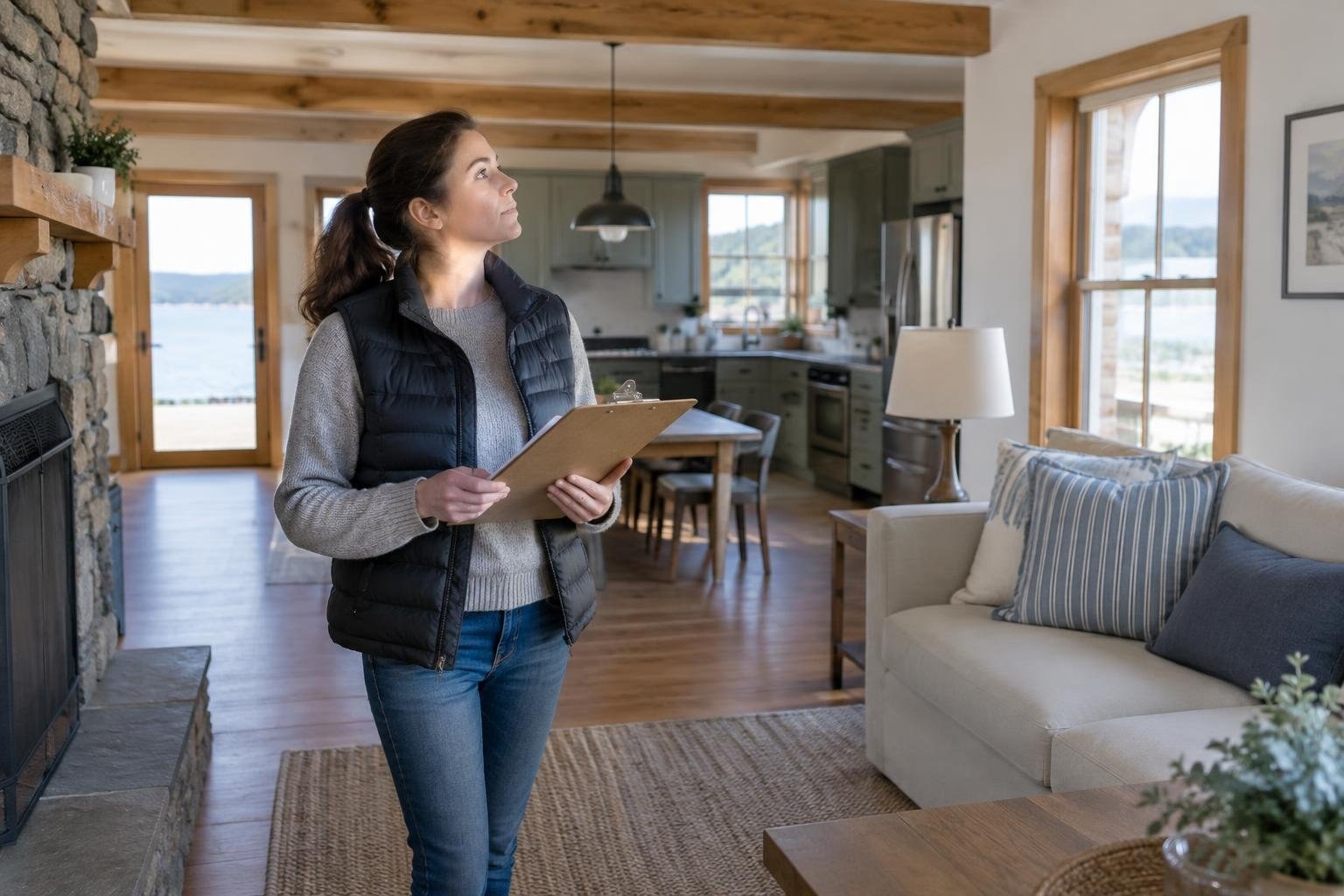
Begin by walking through the home and recording its condition. Separate repairs that need attention before the property sits empty from work that can be reviewed later. Then decide who will have access and whether a property manager, workers, or a trusted neighbor will visit. Close and secure every window and door, and draw curtains in rooms that receive the most light.
The goal is not to perform every possible task. It is to make the home’s condition, access, and follow-up responsibilities clear before you return to your primary residence.
Signs your home may need a stronger off-season plan
Consider a more formal closing and oversight plan if the home will be vacant for a long stretch, if you will be far away, or if no one has clear responsibility for checking it. A seasonal closing may also be useful when the last visit ends quickly and you do not have time to review the property carefully.
Pay attention to unresolved maintenance concerns. If you have noticed something that needs repair, record it rather than relying on memory. Decide whether it should be handled before the home sits empty or can safely wait. If you cannot be present for the work, identify who can arrange access and tell you when it is complete.
Security deserves attention too. A home that is unoccupied for a season has less day-to-day presence than one with residents. That does not mean a problem will occur, but it is a reason to make access and check-in plans deliberately instead of assuming the property will be fine without oversight.
Cost and pricing: compare scope, not just the total
There is no supported standard price for closing a vacation home across locations and property types. Treat cost as a scope question: what tasks are included, how many visits are planned, and what happens if the provider finds a concern? Request a written estimate that separates the initial closing from recurring oversight and additional repair work.
Compare quotes on an equal basis. One provider’s lower total may cover only a single visit, while another may include follow-up. Ask whether supplies, travel, after-hours responses, or coordination with repair workers are included or billed separately. Get any exclusions in writing before authorizing work.
Also consider the insurance budget. An insurance source notes that second homes may cost more to insure because they are not occupied daily and may pose a higher risk to insurers. This is not a universal rate or a quote for your home, so ask your insurer about your own policy and circumstances.
Factors that shape the closing plan
The right closing plan depends on several practical factors: how long the home will be empty, whether you can return quickly, who will have access, and whether someone will visit regularly. The home’s inspection findings matter too. A list of pending repairs can change what should be handled before departure and what can be scheduled later.
Be clear about the oversight arrangement. The level of closing may differ when a property management company is responsible, workers will be at the property regularly, or a trusted friend or neighbor will check in. Those are not interchangeable promises. Ask who is actually expected to visit, how they will report a concern, and who will make decisions if you cannot be reached immediately.
Distance and availability also affect your practical choices. If you cannot get back to the property promptly, you may want a more explicit plan for access, communication, and arranging repairs. Avoid choosing a plan based only on a generic checklist that does not fit your actual absence.
Compare DIY, a trusted contact, and a property manager
There are three common approaches to off-season oversight: manage the closing yourself, ask a trusted person to check the home, or hire a property management provider. Your choice should reflect how much time you have, how far away you will be, and who can reliably take responsibility after you leave.
| Approach | Potential advantage | Question to resolve |
|---|---|---|
| Do it yourself | You control the inspection and closing decisions. | Who can respond if you are away and a concern is reported? |
| Trusted friend or neighbor | A known person may be available to check in. | What exactly are they checking, and how will they contact you? |
| Property manager | There can be a defined management arrangement. | Which visits, reports, and follow-up tasks are included? |
These options are not guarantees of a particular result. Put responsibilities in writing so everyone understands who has access, what they are expected to do, and how additional work will be approved.
What to expect and when to start
Plan the work around your departure date, but do not leave the inspection and any necessary repair decisions until the last moment. The walk-through should happen early enough for you to identify concerns, decide which repairs need attention now, and arrange access for any work that must be completed before the home is left empty.
Before you go, confirm the closing tasks are complete and that everyone involved knows the plan. If someone will visit after your departure, agree on the expected check-in timing and how they will report what they find. If there is no regular visitor, make that an explicit choice rather than an assumption.
There is no single timing schedule that fits every property in the available guidance. The useful measure is whether you have time to inspect, act on priority concerns, and hand off responsibilities clearly before you leave. Keep the repair list and provider contact details where you can access them while away.
How to choose a qualified home management provider
Choose a provider based on a clear scope and dependable communication, not on a broad promise to “look after” the home. Ask what the initial closing visit includes, whether follow-up visits are available, how observations are documented, and how you will be contacted if something needs attention.
- Request an itemized written scope and ask which tasks are excluded.
- Confirm who will enter the property and how access is handled.
- Ask how a concern is reported and who may authorize additional work.
- Clarify visit timing, fees for extra visits, and how completed work is recorded.
- Ask for references or other relevant information you can verify.
Do not assume a provider’s service includes repairs, security monitoring, or regular visits unless the agreement says so. Compare responses using the same questions. A useful fit is one whose responsibilities match your needs and whose limits are easy to understand before you hand over access.
Insurance, permits, credentials, warranties, and safety
Before authorizing work, check with your insurer about any conditions that apply while the property is vacant. Requirements can depend on the work and the location, so verify them with the relevant insurer or local authority rather than relying on a general checklist.
Ask a provider to identify the person responsible for each task and to explain how they handle access and safety. If a repair requires a particular license, permit, or inspection in your area, verify that requirement before work begins. Request documentation for completed work and ask what warranty, if any, applies; do not assume a closing service includes a warranty.
For any work that could create a safety concern, do not ask an unqualified visitor to improvise. Have the provider explain when they will stop, contact you, and seek appropriate professional help.
Ways to manage costs without compromising the plan
Cost control starts with deciding what the property actually needs. A careful walk-through can help distinguish repairs that should be addressed before the home sits empty from tasks that can wait until spring. Share that prioritized list with providers and ask them to quote only the agreed scope, with optional work shown separately.
To reduce avoidable expense without cutting corners:
- Arrange the closing and any planned check-ins together when possible, then compare the total scope with alternatives.
- Provide clear access instructions and one reliable contact method to reduce confusion and repeat coordination.
- Ask for approval before additional work begins, except for any response you have explicitly pre-authorized.
- Keep a written record of findings and completed tasks so the next visit does not start from scratch.
Do not save money by leaving a known priority repair unaddressed or assuming someone will check the property without a clear agreement. Lowering the price is not useful if the scope no longer covers the needs you identified.
Common mistakes, red flags, and a departure checklist
A rushed closing often leaves the owner unsure what was inspected, which repairs were deferred, or who will respond if a problem is noticed. Avoid relying on memory or an informal promise. Make the plan specific enough that another person can follow it without guessing.
- Walk around the home and record its condition.
- List repairs that need attention now and those that can wait until spring.
- Confirm who will have access and who is responsible for follow-up.
- Secure all doors and windows before leaving.
- Draw curtains in rooms that receive the most light.
- Write down the agreed visit plan, contact method, and approval process for additional work.
Red flags include a provider who will not explain what is included, unclear access arrangements, and a promise of regular oversight without agreed visit timing. Ask for clarification before departure. A clear checklist and handoff are more useful than assuming that someone else knows what you intended.
Plan for the off-season and your return
Closing is not the end of the plan. Make sure the person overseeing the home knows how to reach you and what they should do if they notice a concern. Keep a record of the inspection, the repairs completed, items deferred, and any agreed follow-up visits. If circumstances change and no one can check the property as planned, update the arrangement rather than assuming the original plan still works.
When you return, review the home and compare its condition with your closing notes. Use the deferred repair list to decide what should be addressed before the next season. A consistent record makes it easier to brief a provider or trusted contact on future visits and gives you a clearer starting point for the next seasonal closing.
The simple principle is continuity: inspect, document, assign responsibility, and review. That approach helps you manage the handoff even when the property is far from your primary residence.
Frequently asked questions
What does closing a vacation home for the season involve?
A seasonal closing is a planned handoff from regular use to a period when the home will be vacant or visited less often. It can include inspecting the property, recording repairs, securing doors and windows, and arranging any follow-up visits or management help that fits your situation. The exact tasks depend on the home, its location, and your plans for the off-season.
How much does it cost to close a vacation home for the season?
Ask for an itemized quote that separates the closing visit, any recurring check-ins, and optional repair or management work. Compare the same tasks and visit frequency across quotes rather than comparing totals alone.
Does a vacation home cost more to insure when it is vacant?
It can be. One insurance source notes that second homes may cost more to insure because they are not occupied daily and may present a higher risk to insurers. Ask your insurer how your policy treats seasonal vacancy and whether any inspection or notification expectations apply to your property.
Should someone check on my vacation home during the off-season?
That depends on how the property will be overseen while you are away. A property manager, workers visiting regularly, or a trusted neighbor checking in are different arrangements, and the degree of closing and follow-up should fit the actual oversight plan. Confirm who is responsible for reporting concerns and arranging next steps.
What should I do with repairs before closing my vacation home?
Before leaving, walk through the home and make a written list of repairs. Separate items that need attention before the property sits empty from those you plan to revisit in spring, then arrange qualified help for work that should not wait. Keep a record of what was completed and who has access to the property.
How do I secure a vacation home that will be empty?
Close and secure all windows and doors, then draw curtains in rooms that get the most light. Also decide who will have access and how often the property will be checked. The right follow-up plan depends on whether a manager, workers, or a trusted person will visit.
People Also Ask
What is the best way to close a vacation home for the season?
Start with a careful walk-through, document repairs, and decide who will oversee the property while it is vacant. Before leaving, secure doors and windows and draw curtains in rooms that get the most light. Then confirm the specific plan with anyone who will visit or manage the home.
Does leaving a second home empty affect homeowners insurance?
A seasonal home that is not occupied daily may present a higher risk to insurers than a primary residence, according to one insurance source. Ask your insurer directly how your policy applies when the property is vacant and what, if anything, they expect you to do.
How often should someone check an empty vacation home?
The answer depends on the planned oversight. A property manager, regular workers, or a trusted neighbor may each provide a different level of presence. Decide who will notice a problem, how they will contact you, and who can coordinate a response.
What should be on a seasonal home closing checklist?
Walk around the home, note maintenance concerns, and sort repairs into those that should be handled before the home sits empty and those that can wait until spring. Close and secure the windows and doors, draw curtains in rooms that get the most light, and confirm the follow-up plan.
How do I choose a vacation home management provider?
Ask for a written scope that identifies the closing tasks, any planned check-ins, who can enter the property, and how concerns will be reported. Compare the same scope and timing with other providers, and ask which work is included versus billed separately.
When should I start preparing to close my vacation home?
There is no universal timing in the supplied guidance. Plan the walk-through and any necessary repairs before your departure, and leave enough time to confirm the work and access arrangements. Ask the person overseeing the property when the first follow-up will occur.
Closing a vacation home for the season is more than locking the door. A careful inspection, a clear plan for the property while it is empty, and a final security check can help you leave with fewer unknowns. Match the plan to how often someone can check the home, confirm the details with your insurer and any service provider, and document repairs that can wait until your return. When you want help managing an unoccupied property, explore home management options and providers at HouseManagers.com.
Your next step
Explore home management options and providers at HouseManagers.com.
Browse qualified providersLearn more about a Management or Concierge Plan
Last reviewed and updated October 19, 2026 by the Housemanagers.com Editorial Team.
Sources
- Closing Up Your Vacation Home for the Season – American Lifestyle Magazine
- How to Manage Your Second Property During the Off-Season
- How to Close Up Your Vacation Home for Winter
- Closing Your Vacation Property [16 Tips and Insurance Info] | Square One
- Your Checklist for Closing Up Your Vacation Home | Insights | The Hartford
- Closing Your Summer Home – Deland, Gibson Insurance
- How to Manage Your Second Property During the Off-Season | MEREDA
- Tips for closing your vacation or second home for the season | MMA