
A seasonal home can look ready from the driveway and still need attention before you settle in. After a period of vacancy, small issues may be easy to miss, and an old concern can be harder to distinguish from a new one if you have not recorded the property’s condition. A thoughtful opening plan starts with how you use the home, what was done before it closed, and who will be available if something needs follow-up. Whether you handle the walkthrough yourself or hire local help, use this guide to organize the work, set expectations, and prepare the home for the season without assuming every property needs the same service.
What opening a seasonal home involves
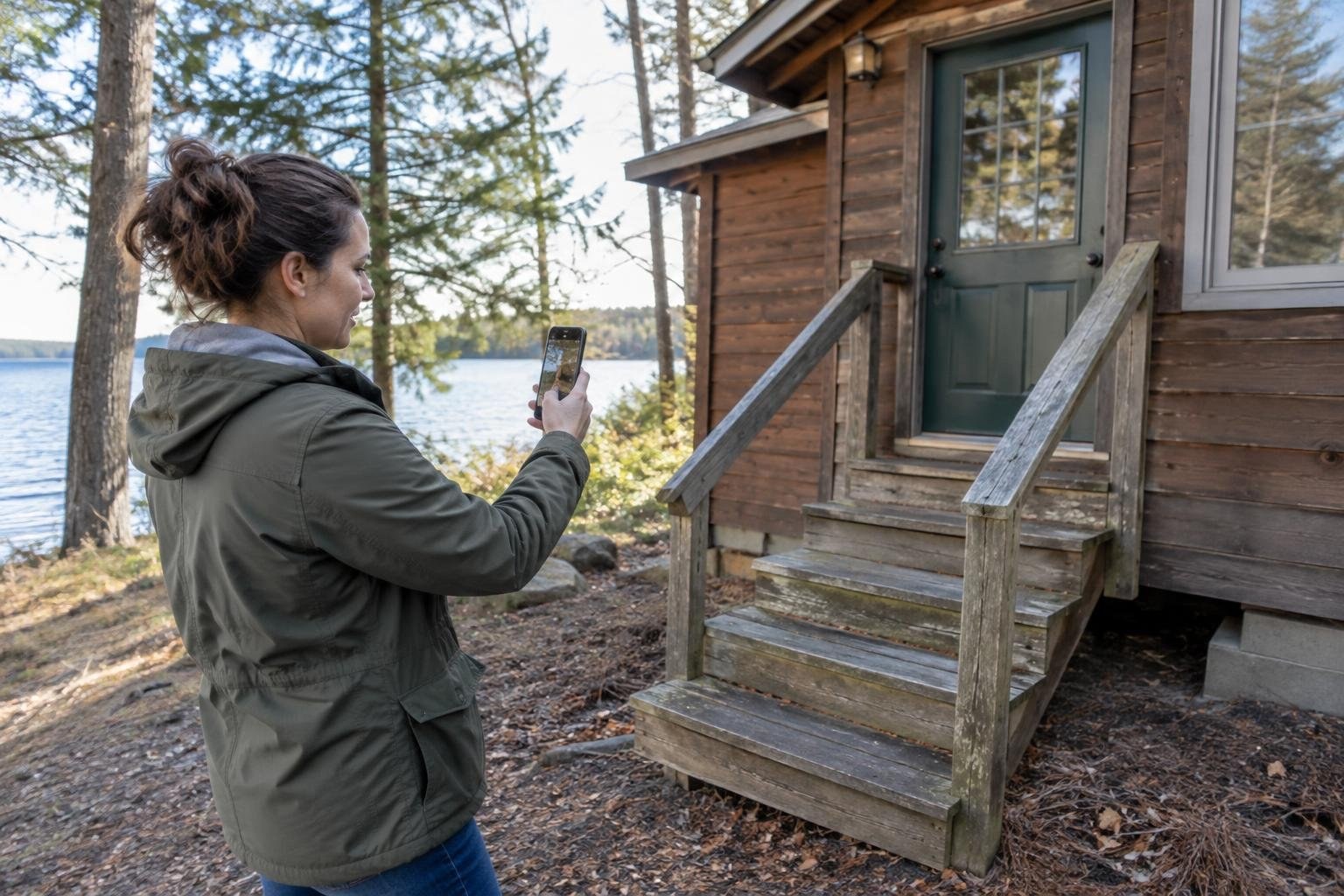
Opening a seasonal home is a planned return to use, not simply an arrival. The work may include a walkthrough, recording visible conditions, checking detectors, reviewing prior maintenance, and coordinating any follow-up. A home manager can help with local oversight, but the exact service depends on the agreed scope. Ask what is included, what is not, and how findings will be shared.
Start with the property’s intended use. A home left vacant between personal visits has different oversight needs from a residence used as a rental. Clarifying that distinction helps you decide whether to arrange one opening visit, recurring checks, or broader management support.
Signs you may need help opening the home
Consider extra support if you live far from the property, cannot visit before the season, or do not have a reliable local contact to check on it. A vacant second home benefits from local attention and preventive care, especially during periods when you are away. If you rent the home, consider whether you can respond promptly to tenant questions and repair needs.
These are planning signals, not proof that every owner needs a manager. If you can make the opening visit, have time to coordinate any work, and can return when needed, a self-managed checklist may be enough. Be honest about how quickly you can act if the walkthrough identifies a concern.
Cost and pricing considerations
There is no single supported price for opening a seasonal home. A quote depends on what you ask someone to do, the property’s condition, the location, and whether the work is a single visit or ongoing oversight. The price for a walkthrough should not be assumed to include repair coordination, repeat visits, or work by other providers.
Request an itemized proposal that identifies visit frequency, reporting, included tasks, additional charges, and how extra work is approved. Compare the scope as well as the total. A low quote may reflect fewer visits or a narrower task list, while a broader service may include more frequent communication or coordination.
Factors that affect the opening plan
Several practical choices shape the work: whether the home was closed using a documented routine, how long it has been vacant, the number of tasks you want handled, and whether you will occupy it personally or rent it. The property’s location and your distance from it also affect how you plan visits and follow-up.
Make a short list before requesting help. Include your arrival date, known concerns, prior maintenance, who can authorize additional work, and how you want updates delivered. If family members or guests will use the home, agree on who will report problems and who can make decisions while you are away.
Compare self-management, a one-time visit, and ongoing help
Owners generally need to choose between handling the opening themselves, hiring a provider for a single visit, or arranging ongoing management. Self-management gives you direct control over the walkthrough and decisions. A one-time visit can add local support without committing to recurring service. Ongoing management may suit an owner who wants a maintenance cadence and monitoring while the home sits empty.
- Self-managed: Best when you can visit, follow through, and arrange any needed work.
- One-time support: Useful when you want someone local to complete a defined opening visit or report findings.
- Ongoing oversight: Consider when the home is vacant between stays or you want regular checks and maintenance coordination.
- Rental management: Ask specifically about tenant communication and repair response, since those needs differ from a home used only by its owner.
Choose based on the responsibilities you want covered, not on the label attached to a service.
What to expect and when to schedule it
Work backward from your planned arrival. Allow time to review the property, share findings, and arrange follow-up before you need the home. Spring is a sensible planning period for a summer-focused property because maintenance can be organized before the months of use begin. The exact schedule depends on the home, your plans, and whether the opening reveals work that needs attention.
Ask a provider when they can visit, how soon you will receive a report, and what happens if they find a concern. If a repair or further assessment is needed, confirm who contacts the relevant professional and who approves the expense. Do not treat a scheduled walkthrough as a guarantee that all issues will be resolved by your arrival.
How to choose a qualified home management provider
Look for a provider whose proposed work fits the way you use the home. Ask for a written scope and a clear point of contact. Find out how visits are documented, how urgent concerns are communicated, whether you approve additional work, and what is billed separately. If the home is rented, ask how the provider handles tenant communication and repair requests.
Compare answers from more than one provider where practical. Focus on whether the plan is clear and workable, not only on the service name or price. Before agreeing, make sure you know what the provider will do, what you remain responsible for, and how the arrangement changes when you are in residence or away.
Insurance, safety, and work that needs a professional
Confirm your insurance arrangements before the season begins. A property’s classification and coverage can depend on its use and location, so explain whether it is your primary residence, a second home, or used seasonally. If you plan to rent it, make that clear when asking about coverage rather than assuming an owner-occupied policy applies.
As part of the opening, check smoke and carbon monoxide detectors and their batteries. Record visible concerns before the home is in use, and keep notes or photographs with your property records. If a check or repair involves equipment you are not qualified to handle, ask an appropriate professional rather than attempting uncertain work yourself. Confirm any local requirements with the relevant authority or your insurer.
Ways to save without cutting essential checks
Cost control starts with a precise scope. Decide which tasks you can reliably complete yourself, then pay for the local presence, reporting, or coordination you actually need. Group planned tasks into a visit when it makes sense, and ask how extra visits or out-of-scope work are charged.
Do not save money by skipping the walkthrough, ignoring a known concern, or assuming a brief visit includes ongoing monitoring. A lower-cost plan is useful only if it matches your ability to follow up. If you leave the home unattended for long periods, compare the cost of recurring oversight with the responsibility you would otherwise need to handle yourself.
Common mistakes and an actionable opening checklist
Before the first stay, use this simple checklist:
- Review notes from the last closing and identify unfinished work.
- Walk through the home and record visible conditions before moving in.
- Check smoke and carbon monoxide detectors and their batteries.
- List concerns that need a qualified professional or follow-up visit.
- Confirm how the property will be used and whether your insurance reflects that use.
- Agree on visit frequency, updates, approvals, and additional charges with any provider.
- Set a plan for maintenance and local checks during vacant periods.
Avoid treating a seasonal opening as a one-time fix if the home will sit empty again. A recurring calendar and a clear monitoring plan help connect the opening visit with ongoing care.
If you plan to rent the home during the season
Before choosing to rent the property during periods you are away, consider your travel pattern, family needs, privacy, carrying costs, and any building rules or local expectations. Rental income may help offset expenses, but it should not be treated as guaranteed. The property’s use can change what support it needs: tenants expect timely communication and repairs, while a vacant second home chiefly calls for local oversight and preventive care.
Confirm applicable rules and insurance directly before making a rental plan. A home that works well for personal seasonal use may not be ready for guest or tenant stays without additional planning. Decide how rental periods fit around your own visits and who will handle requests while you are elsewhere.
Build a year-round plan for the home
A seasonal home needs a plan for more than opening day. Set a calendar for opening and closing, identify maintenance that should happen whether or not anyone visits, and decide how the property will be monitored while empty. Write down who checks in, how concerns are reported, and who can approve next steps.
Keep a record of visits and known issues so the next opening begins with useful context. This is especially helpful when different providers handle different tasks or when you cannot attend every visit. Revisit the plan when your occupancy changes, such as moving from personal use to rental use.
Frequently asked questions
What should I do first when opening a seasonal home?
Start with a walkthrough before moving belongings in. Record visible issues, check smoke and carbon monoxide detectors, and review the home’s operating needs. If the property was winterized or shut down, follow the instructions from the person or professional who prepared it rather than guessing about systems.
How much does it cost to open a seasonal home?
There is no reliable price that applies to every home. The cost depends on the scope, property condition, location, travel, and whether you need a one-time opening visit or continuing oversight. Ask for an itemized scope and clarify what is billed separately.
Should I hire a property manager to open my second home?
A property manager or home manager may make sense if you live far away, cannot visit before the season, want recurring local checks, or need help coordinating maintenance. If you can visit and handle the preparation yourself, a checklist and scheduled tradespeople may be sufficient.
Does a seasonal home need different insurance?
Not automatically. Confirm how the home is used and tell your insurer about its occupancy pattern. A property used seasonally, as a second home, or as a rental may need different insurance treatment, so ask your insurer what coverage applies to your situation.
Should I check smoke and carbon monoxide detectors after the home has been vacant?
Yes. Before opening, test smoke and carbon monoxide detectors and check their batteries. If a detector does not work, address it before occupying the home. Follow the manufacturer’s instructions and contact a qualified professional if you are unsure how to test or service it.
When should I schedule a seasonal home opening?
Opening dates depend on when you plan to arrive, the home’s condition, and whether any preparation or repairs are needed. Arrange any provider visits early enough to review findings and address problems before your intended stay.
People Also Ask
What do you check when opening a summer home?
Before opening, document visible conditions and check smoke and carbon monoxide detectors, including their batteries. Review what was done when the property closed and arrange follow-up for anything you cannot assess safely.
Is managing a seasonal home different from managing a rental?
It can be. The right plan depends on whether you use the property only for personal stays, leave it vacant between visits, or rent it. A vacant second home may need local checks, while a rental also requires a clear plan for tenant communication and repairs.
Is a seasonal home considered a second home for insurance?
Not necessarily. Whether the home is considered primary, secondary, or seasonal can depend on its use and location. Ask your insurer how your occupancy pattern affects coverage rather than relying on a generic label.
Should I make a maintenance calendar for a second home?
Yes. A seasonal calendar can help coordinate opening and closing tasks, ongoing maintenance, and checks during vacant periods. The right cadence depends on the property and how often it is occupied.
What should I ask a home manager before hiring them?
Request a written scope, the visit schedule, communication expectations, and a clear process for reporting issues and approving work. If the home will be rented, ask how tenant requests and repairs are handled when you are away.
Can I rent my seasonal home when I am not using it?
Use a realistic plan for personal travel, family needs, building rules, carrying costs, and privacy before deciding whether to leave the home vacant, use it personally, or rent it. Confirm applicable rules and insurance directly for your property.
Opening a seasonal home is more than arriving and turning on the lights. A clear plan helps you spot existing concerns, prepare the property for the months ahead, and decide whether you need occasional local checks or ongoing management. Start with how you will use the home, build an opening checklist around its known needs, and confirm your insurance arrangements. If you want help comparing management options, explore home management providers through HouseManagers.com.
Your next step
Explore home management options and providers at HouseManagers.com.
Browse qualified providersLearn more about a Management or Concierge Plan
Last reviewed and updated October 19, 2026 by the Housemanagers.com Editorial Team.
Sources
- Primary? Secondary? Seasonal?
- Before You Turn the Key: Opening Your Summer Home the Right Way – EHD Insurance
- r/RealEstate on Reddit: Seasonal Property as Primary Residence
- Home and Property Management for Seasonal Owners
- Exploring Seasonal Rental Income: Put Your Vacation Home to Work
- Why Seasonal-Use Flexibility can Create a Better Second-Home Strategy in 2026 | MILLION | Redefine Lifestyle
- Second Home Management: The Complete Guide to Managing Two Homes | My Shared Home
- Getting Your Second Home Ready: Tips For Seasonal Maintenance | Cohen + White Associates