
Leaving a second home empty takes more planning than locking the door and heading out. Your departure checklist should account for the property’s condition, the season, the length of your absence, and who can respond if a concern comes up. It should also reflect what your HOA, if you have one, actually handles. Use the steps below to create a clear plan, decide whether you need local help, and make returning to the home easier.
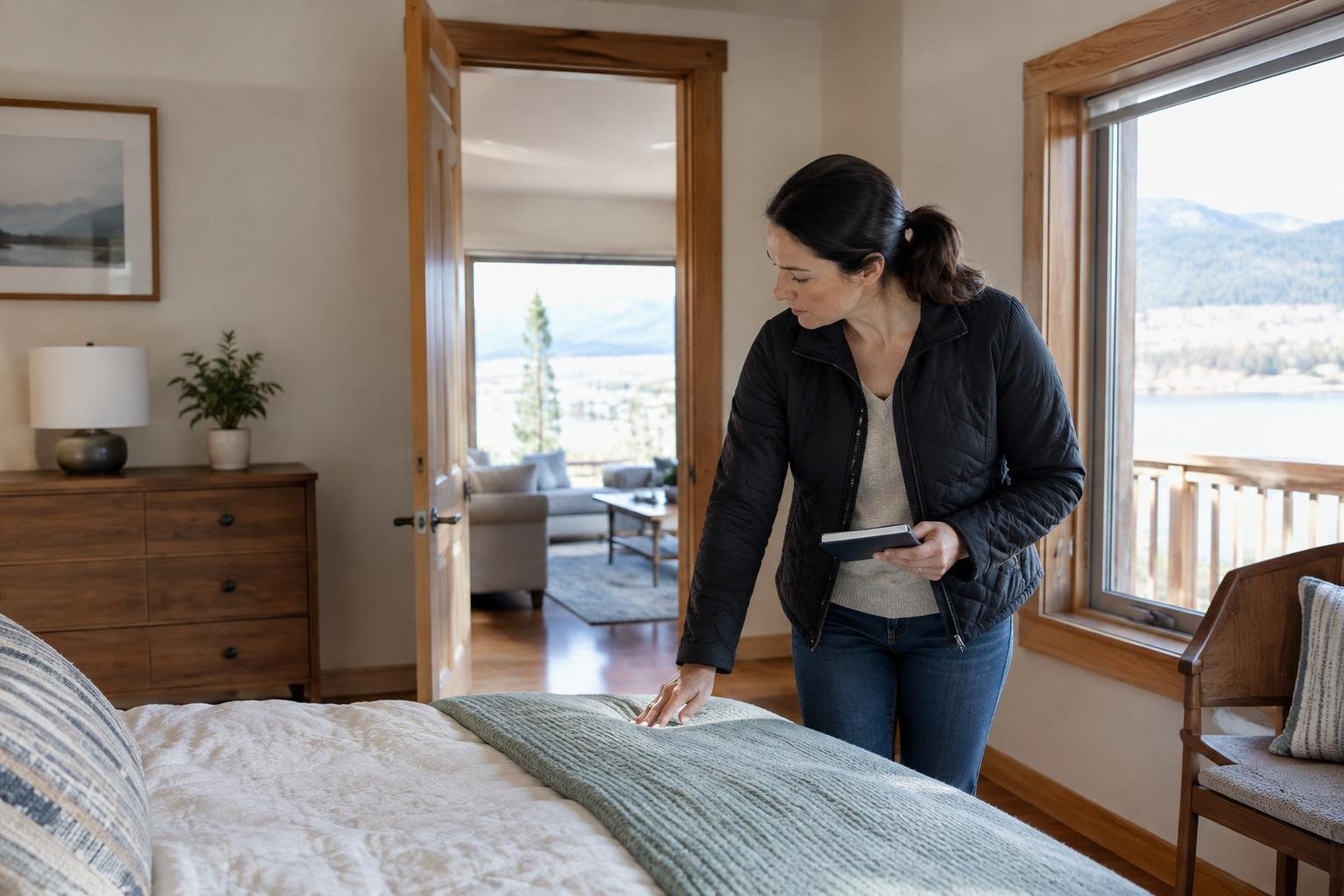
What a second-home departure checklist includes
A second-home departure checklist is a written plan for preparing the property before you leave and deciding who will handle any care needs during your absence. It can be a simple personal list or part of a broader home-management arrangement. The useful version is specific to your property, not a generic set of chores copied from someone else.
Start with a walk-through and record what needs attention, what can wait, and who is responsible. Include the home’s exterior, interior, seasonal needs, and a contact plan. If you belong to an HOA, verify the services it provides. Landscape care or snow removal may be covered, but other important tasks may remain your responsibility.
This planning matters because a second home brings another set of expenses, including maintenance and utilities, in addition to mortgage, property tax, and insurance. A written plan helps connect the money you set aside with the care the property actually needs.
Signs you may need help while you are away
Not every owner needs the same level of support. Consider whether you can check on the home and arrange repairs or other care while you are away. If distance, a busy schedule, or the length of your absence makes that difficult, identify a reliable local contact or compare home-management providers.
Other signs that more planning may help include seasonal changes that affect the property, tasks you are unsure how to handle, or uncertainty about what your HOA covers. A home that sits between visits or tenants may also need an explicit care plan. The key question is practical: if you learned about a concern today, could you arrange the next step promptly?
If the answer is no, decide in advance who can inspect the property, contact you, and coordinate any follow-up you have authorized. The need may be for a single task, occasional check-ins, or a broader ongoing arrangement. Choose the smallest scope that closes the gap you identified.
Cost and budget considerations
There is no supported one-size-fits-all price for second-home care. Instead, build a property-specific budget. Separate recurring ownership costs from any fees for inspections, maintenance tasks, or management support. Mortgage, property taxes, utilities, and maintenance are part of the ongoing cost picture, and insurance may cost more for a second home than for a primary residence.
When requesting a service quote, ask for the scope in writing. Find out whether the fee covers a visit, specific tasks, reporting, or coordination, and whether additional work is priced separately. Compare the total expected cost for the service you need, not just the headline amount. Ask how authorization for extra work will be handled.
Also consider the cost of work you may need to arrange yourself. If you are comparing options, assess what you can reliably do and what requires local attention. Do not assume an HOA fee includes every care task: confirm the services covered and budget for responsibilities that remain yours.
Factors that shape your departure plan
The right departure plan depends on several factors. Begin with how long you will be away and whether anyone else will use the property during that time. Then consider the property’s condition, the time of year, and any seasonal maintenance needs. Seasonal changes and security concerns can affect the care a second home needs, so review the plan before each extended absence.
Location matters to your overall ownership plan, too. Think about how easily you can reach the home and how quickly you could respond if a local contact reports a concern. A property that is difficult for you to visit may call for a different support arrangement from one you can check yourself.
Finally, make a responsibility map. List what you handle, what your HOA covers, and what still needs an owner or provider. This keeps a task from falling into a gap because each person assumed someone else was responsible.
Options: DIY, a local contact, or a provider
Owners generally have three approaches to compare: manage the checklist themselves, ask a trusted local contact to help, or hire a home-management provider. These are different ways to assign responsibility, not guarantees that a particular service will cover every need.
- Do it yourself: You retain direct control and avoid arranging a third party, but you need a workable way to check on the home and follow through while away.
- Use a local contact: This may suit a limited set of tasks if the person is willing, available, and clear about what you expect. Agree in advance on how they will report concerns.
- Hire a provider: A provider may be a fit when you want a defined care arrangement. Review the scope, visit schedule, communication process, and extra-task costs before deciding.
Compare each approach against your actual needs, availability, and budget. You can also combine them, such as handling routine planning yourself while assigning specific local tasks to someone else. Whatever you choose, make responsibilities and limits clear.
What to expect and when to plan
Begin early enough to review the property, arrange any help, and clarify instructions before departure. Set dates that give you time to complete the tasks you identify.
Use a simple sequence:
- Walk through the property and note maintenance or exterior work to address.
- Check the calendar for seasonal needs relevant to the home.
- Confirm what your HOA or provider will handle.
- Assign remaining tasks and share contact and reporting instructions.
- Before returning, arrange any checks or preparation you want completed so the home is ready for your arrival.
For an extended absence, put the plan in writing and confirm that anyone taking on a task understands it. A repeatable routine before departure and before return makes it easier to spot what needs attention each time.
How to choose a qualified provider
Choose a provider by comparing the actual care plan, not just the name of the service. Ask what the provider will do, how often, how findings are shared, and what happens if they notice a concern. Request a written description of included work and ask which tasks cost extra.
Discuss how the provider will access the property, communicate with you, and get approval before arranging work beyond the agreed scope. Ask who will perform visits and who will be your point of contact. If you need seasonal preparation or exterior attention, make those needs part of the conversation rather than assuming they are included.
Compare more than one option when practical. Look for clear answers, a plan that matches your absence and property, and terms you can understand. A provider who cannot explain what is included or how you will be updated makes it harder to manage expectations from a distance.
Permits, credentials, and safety checks
Before hiring help or approving work, confirm any credentials, insurance, permits, or other requirements that apply to the specific work and location. Requirements can depend on the task and local rules, so ask the provider what applies and verify important details with the relevant local authority when needed. Do not treat a general home-care arrangement as proof that specialized work is covered.
Safety planning also means making sure the person you designate knows how to contact you and what actions they may take without approval. Set boundaries for extra work and agree on how urgent concerns should be reported. Share only the access and information needed for the assigned tasks, and clarify how access will be managed when the arrangement ends.
For seasonal maintenance, avoid relying on assumptions about what a property needs. Ask a qualified local professional about the home’s particular conditions when you are unsure, especially before authorizing work that could affect safety or property systems.
Ways to save without neglecting the property
You can reduce unnecessary spending without skipping care. First, confirm which services your HOA already provides. If landscape care or snow removal is included, you may not need to arrange that same task separately. Verify the exact coverage and any limits directly with the association.
Next, prioritize the work. Separate tasks that need attention before departure from those that can wait, and ask a provider to explain why any recommended extra work is necessary. A written scope and approval process can help prevent surprise charges. Compare a focused service plan with a broader one, but only after confirming each plan covers the tasks you need.
It may also help to group related tasks into one planned visit if the provider offers that option, rather than arranging uncoordinated visits. Ask whether combining work changes the fee; do not assume that it will. Keep ongoing expenses in view as well as service charges, since maintenance, utilities, taxes, and insurance all contribute to second-home costs.
Mistakes to avoid and a final departure checklist
Avoid these common planning gaps:
- Assuming the HOA handles everything: Confirm exactly what is included and list the tasks left to you.
- Using the same checklist every season: Review seasonal maintenance and security considerations before a longer absence.
- Leaving responsibilities vague: Name the person responsible for each task and explain how they should report a concern.
- Approving undefined extra work: Set a process for estimates and approval before additional work begins.
- Choosing by price alone: Compare the scope, reporting, timing, and additional charges along with the fee.
Before you leave, run through this short checklist: property walk-through complete; exterior and seasonal needs noted; HOA coverage confirmed; remaining tasks assigned; contact and approval instructions shared; and ongoing expenses considered. Before returning, confirm any agreed preparation or check has been completed.
Treat this as a working document. Update it when the property, season, care arrangement, or length of absence changes.
Make the checklist easy to use again
A departure checklist is only useful when the people involved can follow it. Keep one current copy of the task list, note who owns each responsibility, and record how updates should reach you. If a provider is involved, align the list with the written service scope so there is no confusion about included work.
Review the plan before each significant absence rather than treating it as permanent. The home’s seasonal needs, your schedule, and the support available to you can change. If the property will be rented or used by others, make sure your checklist accounts for the responsibilities you have agreed to handle and any services that are already arranged.
For a broader arrangement, ask whether the provider can describe a repeatable care cadence that covers both departure and return preparation. Keep the plan focused on your priorities and confirm how you will receive a report after work is completed.
Frequently asked questions
What should I do before leaving my second home?
There is no single departure checklist that fits every property. Start with the home’s condition, the season, how long it will be vacant, and what services your HOA or manager actually covers. Then assign each task to yourself or a trusted local contact.
When should I hire someone to check on a second home?
Consider arranging help if you cannot check on the home yourself, if seasonal conditions create maintenance needs, or if you want someone to notice and report developing problems. Choose the level of help based on the property and your ability to respond from a distance.
How much does second-home management cost?
There is no universal rate in the available research. Ask providers to explain whether they charge by visit, by task, or through a recurring arrangement, and compare what each option includes. Budget separately for property taxes, maintenance, utilities, and insurance as well as any management help.
Does an HOA take care of an empty second home?
Do not assume HOA services cover every need. Confirm the specific services included, such as whether landscape care or snow removal is provided, and identify any responsibilities left to you.
How often should someone check on a vacation home?
The right interval depends on your property, the length of your absence, seasonal conditions, and the care plan you choose. Agree on a schedule with your provider, including what they should report and how they should contact you about urgent concerns.
How do I prepare a second home for winter?
Prepare for the conditions relevant to the property and time of year. Seasonal changes can affect maintenance needs, so identify any tasks that apply before you leave and ask a local professional when you are unsure what the home requires.
People Also Ask
What is the best way to prepare a second home for vacancy?
Start with a walk-through and a written list of care needs. Confirm which services are covered by an HOA, assign remaining tasks, and decide who can be contacted if an issue arises while you are away.
What expenses should I budget for when I own a second home?
Include the cost of ongoing ownership, not only any service fee. Mortgage payments, property taxes, maintenance, utilities, and insurance are all expenses to consider when planning for a second home.
What should I ask a second-home property manager?
Ask what tasks are included, how often visits occur, what happens when an issue is found, and how you will receive updates. Compare the written scope of work rather than relying only on a broad service label.
What second-home maintenance might an HOA cover?
Check your HOA documents and ask the association to confirm what it covers. Landscape care or snow removal may be included in some arrangements, but owners should verify the scope rather than assume all property care is covered.
What should I check on the outside of my home before leaving?
Prioritize the home’s condition, the season, and the length of time it will be unoccupied. Address the exterior and any seasonal preparation that applies, and arrange a way to learn about issues that need attention.
Should my departure checklist change with the season?
Yes. Seasonal variations and security concerns can affect how owners plan care while away. Make the checklist specific to the property and review it before each longer absence.
A reliable second-home departure checklist is less about doing every possible task and more about matching your preparations to the property, the season, and the length of your absence. Review the home’s condition, arrange any care that will not be covered by an HOA, and leave clear instructions for whoever may need to respond while you are away. For help comparing home management options, explore home management options and providers at HouseManagers.com.
Your next step
Explore home management options and providers at HouseManagers.com.
Browse qualified providersLearn more about a Management or Concierge Plan
Last reviewed and updated October 19, 2026 by the Housemanagers.com Editorial Team.
Sources
- Checklist: How to Plan a Second Home Purchase
- How To Maintain A Second Home | Mountain Luxury – Mountain Luxury Real Estate
- Vacation Home Security: A Complete Checklist for Peace of Mind While You're Away
- How to Manage Your Second Property During the Off-Season | MEREDA
- Second Home Checklist – Property Stewards
- How to Manage Your Second Property During the Off-Season
- Second Home Buying Checklist | Fairway's First Team
- How to Protect Your Hawaiʻi Second Home While You’re Away – Caron B Realty Property Management