
Choosing replacement windows is not simply a matter of deciding whether two or three panes sound better. The right choice depends on how much insulation your home needs, the climate, the location of each window, outside noise, the window design, installation quality, and your budget. Triple-pane windows add another pane of glass and another insulating space. That can improve thermal performance and comfort, especially in colder conditions or noisy surroundings. Double-pane windows usually cost less upfront and remain a strong option for homeowners who want dependable performance without paying for features their home may not need. This guide explains the differences between double-pane and triple-pane windows, the tradeoffs that matter, common buying mistakes, and how to compare providers before signing a replacement contract.
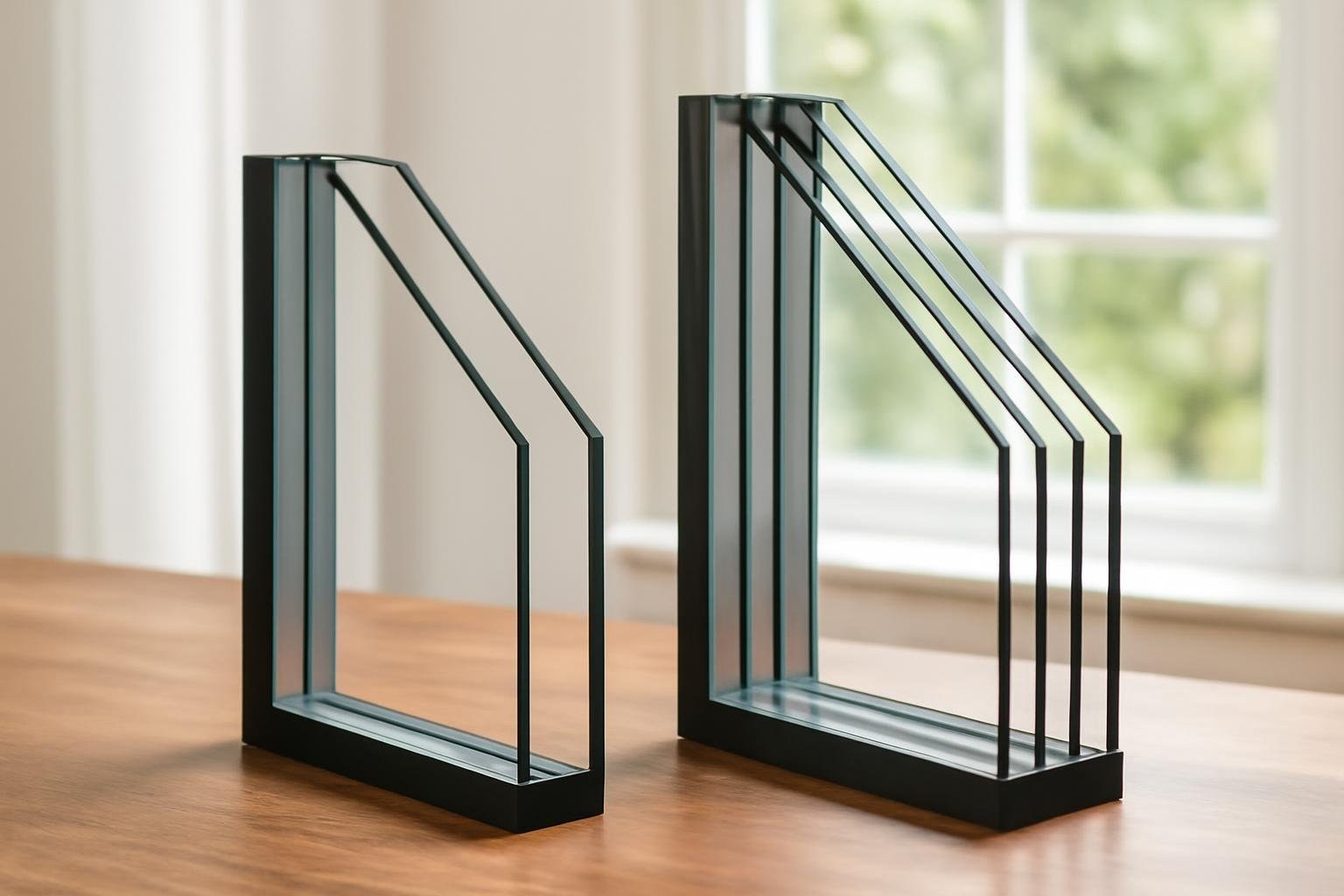
Double-pane vs. triple-pane windows at a glance
The choice matters because windows affect indoor comfort, heat transfer, daylight, outside noise, and the cost of a replacement project. A window with more panes is not automatically the best investment for every home.
Research does not show a single answer that applies to all remodeling projects. Some professionals favor triple-pane performance, while others consider double-pane windows the more practical balance of cost and capability. The right answer depends on the home and the goals of the project.
What the pane count means
A double-pane window contains two glass panes separated by an insulating space. A triple-pane window contains three panes and two insulating spaces. These spaces may contain air or an insulating gas, depending on the product.
The additional glass layer can reduce heat transfer and improve the temperature of the interior glass surface. In practical terms, that may help a room feel more comfortable near the window, particularly during demanding weather.
The main differences homeowners should compare
| Factor | Double-pane | Triple-pane |
|---|---|---|
| Upfront cost | Usually lower | Usually higher |
| Insulation | Strong general-purpose performance | Higher thermal performance potential |
| Cold-weather comfort | Can work well when properly specified | May provide greater comfort in colder conditions |
| Noise control | Can reduce outdoor noise | May offer additional sound-control benefits |
| Weight | Usually lighter | Usually heavier |
| Best fit | Budget-conscious projects and many moderate climates | Maximum performance, colder conditions, and some noisy locations |
These are broad comparisons, not guarantees. A window’s frame, coatings, gas fill, operating style, size, and installation all affect its real-world results.
Pros and cons of double-pane and triple-pane windows
Double-pane windows: advantages
- Lower initial investment: Double-pane windows generally have a lower upfront cost, making them practical for larger replacement projects or tighter budgets.
- Balanced performance: They can provide meaningful insulation and durability without the additional weight and expense of a third pane.
- Broad suitability: In many moderate climates, double-pane windows offer a reasonable balance between efficiency and cost.
- More room in the budget for installation: Spending on accurate measurement and careful installation can be more valuable than upgrading every opening to a higher specification.
Double-pane windows: limitations
- They may provide less insulation than a comparable triple-pane unit.
- They may be less effective for a room exposed to severe cold or strong outdoor noise.
- The least expensive product may not provide the best long-term result if the frame, glass, or installation is poorly matched to the home.
Triple-pane windows: advantages
- Higher insulation potential: The extra pane and insulating cavity can improve thermal efficiency.
- Improved comfort: Better-insulated glass may help reduce the cold-radiating sensation near a window during winter.
- Potential sound benefits: Triple-pane windows may be helpful in noisy environments, although the complete design determines sound performance.
- Strong fit for demanding conditions: Colder climates and homes with substantial glazing may benefit more from the additional insulation.
Triple-pane windows: limitations
- They generally cost more upfront.
- They are heavier, which can affect hardware, operation, and installation requirements.
- The extra performance may not produce equal value in every climate or room.
- Installing a higher-specification window does not correct poor measurement, air leakage, water-management problems, or inadequate workmanship.
How climate, comfort, and ratings change the answer
Climate and room location
Climate is one of the most important decision factors. Triple-pane windows may offer greater value in colder climates because stronger insulation can improve comfort during winter. Homes in moderate climates may receive a better cost-to-performance balance from double-pane windows. Homes with hot summers can also benefit from efficient glazing, but the best configuration depends on the entire window specification and solar exposure.
Do not treat the home as a single uniform space. A north-facing room, a heavily glazed living area, a bedroom beside traffic, and a shaded hallway may have different priorities. Consider orientation, window size, occupancy, and the comfort complaints that led to the replacement project.
Noise
Additional panes may help in noisy environments, but pane count is not a complete sound-control specification. Ask providers how the proposed product addresses outside noise and whether the glass, air spaces, frame, and seals are designed for that goal.
Energy performance ratings
Ask for the product’s independently reported performance information rather than relying on broad claims such as “maximum efficiency.” One published comparison reports lower U-Factor ranges for triple-pane products than for the double-pane products it examined. Because ratings vary by product and configuration, compare the exact window models in each quote.
Window style and installation
Operating style affects performance and usability. The installation team must also measure the opening accurately, prepare the opening correctly, and seal the assembly. A premium window cannot compensate for an incorrect fit or incomplete installation.
Cost and value: what affects the decision
Window replacement cost depends on the number and size of openings, operating style, frame material, glass specification, access, removal and disposal, interior or exterior trim work, and labor rates in your area. Triple-pane windows usually require a higher upfront budget because of the additional glass and related construction requirements.
Do not compare quotes based only on the per-window price. Ask whether each proposal includes measurement, removal, disposal, preparation, insulation, flashing or water-management work where applicable, interior and exterior finish work, cleanup, warranty coverage, and permit-related responsibilities if applicable to your project.
A practical value test
- List the problem you are trying to solve, such as drafts, cold glass, condensation, fading concerns, or outside noise.
- Identify which rooms and windows actually need the highest performance.
- Compare double-pane and triple-pane specifications for those openings.
- Review the added installed cost, not only the product price.
- Decide whether the expected comfort improvement justifies the premium.
A homeowner with a tight budget may get better overall results by choosing well-specified double-pane windows and protecting the installation budget. A homeowner seeking maximum insulation in a demanding climate may decide that triple-pane windows justify the added expense.
Common problems and buying mistakes
Mistake 1: Assuming three panes are always better
Triple-pane windows have a performance advantage in some situations, but the value depends on climate, room conditions, budget, and the complete window assembly.
Mistake 2: Comparing pane count instead of ratings
Ask to see the exact performance information for the proposed product. Compare the same types of measurements across quotes and confirm that the ratings apply to the selected size and configuration where relevant.
Mistake 3: Choosing the lowest bid without reviewing scope
A low quote may omit trim repair, disposal, opening preparation, or other work. Request a written scope so you can compare equivalent projects.
Mistake 4: Underestimating weight and operation
Triple-pane units are generally heavier. Confirm that the proposed style, hardware, and opening can support the product and that the finished window will be practical to operate.
Mistake 5: Expecting new glass to solve every comfort problem
Drafts, moisture, and temperature differences can involve air leakage, framing, shading, ventilation, or installation defects. Have the provider identify the likely cause before recommending a product upgrade.
Mistake 6: Treating installation as an afterthought
Ask who will perform the work, how the opening will be prepared, how the window will be sealed, and what happens if concealed damage is discovered.
How to choose a qualified window provider
1. Describe the problem before requesting quotes
Note which rooms are uncomfortable, when the problem occurs, and whether noise, drafts, condensation, or difficult operation is involved. This helps providers recommend an appropriate specification.
2. Request comparable proposals
Ask each provider to quote the same openings and clearly identify pane count, frame material, glass features, operating style, and installation scope.
3. Verify performance information
Request the product’s performance label or equivalent documentation. Look beyond marketing language and compare the exact models.
4. Ask installation questions
- Who measures the openings?
- Who performs the installation?
- How are existing windows removed?
- How are openings sealed and protected from water?
- What interior and exterior repairs are included?
- How are unexpected conditions handled?
5. Review warranty and service terms
Understand which parts are covered, how installation-related problems are handled, and who to contact after completion.
6. Compare providers, not just products
Look for a clear written scope, responsive communication, relevant experience, transparent pricing, and a willingness to explain tradeoffs. A provider who pushes triple-pane windows without asking about your goals may not be offering a tailored recommendation.
A practical decision checklist
Choose double-pane when:
- You want to control the initial project cost.
- Your climate is moderate or the performance upgrade is not clearly justified.
- You need to replace many windows within a defined budget.
- You want a balanced combination of efficiency, durability, and value.
Consider triple-pane when:
- You live in a colder climate or have rooms that feel uncomfortable near the glass.
- Outside noise is a meaningful concern.
- The home has substantial glazing or demanding exposure.
- You are willing to pay more for higher insulation potential.
Before you decide
- Get more than one written estimate.
- Compare complete specifications and installed scope.
- Ask which windows need the highest performance rather than automatically upgrading every opening.
- Confirm that the installation team understands the added weight and fit requirements of triple-pane units.
- Keep documentation for the product, installation, and warranty.
Conclusion: choose performance that matches your home
Double-pane vs. triple-pane windows is ultimately a question of fit. Double-pane windows usually offer a lower upfront cost and a dependable balance of performance for many homes. Triple-pane windows provide higher insulation potential and may be the better investment when cold-weather comfort, demanding exposure, or outside noise is a priority.
Compare the complete window system, not just the pane count. Product ratings, frame design, operating style, measurements, installation, and warranty can matter as much as the number of glass layers. The best quote is the one that clearly explains what you are buying and why it suits your home.
Use Estimate.org to compare options, become informed about project costs, and search for providers who can evaluate your windows and explain the tradeoffs.
Frequently asked questions
Frequently asked questions
Do triple-pane windows always provide better value?
No. They can provide stronger insulation, but value depends on climate, comfort goals, noise, window design, installation, and budget. Double-pane windows may be the more practical choice for many projects.
Can double-pane windows work in a cold climate?
They can, depending on the product, frame, glass features, and installation. Triple-pane windows may provide greater insulation potential, so compare the exact ratings and total installed cost.
Will triple-pane windows eliminate condensation?
Do not assume that any window upgrade will eliminate condensation. Moisture can involve indoor humidity, ventilation, temperature, air leakage, and installation conditions. Ask a qualified provider to assess the cause.
Should every window in a home be triple-pane?
Not necessarily. Priorities can differ by room orientation, glazing area, exposure, and comfort problem. A provider may recommend different specifications for different openings, subject to the project design.
What should be included in a window replacement estimate?
The estimate should identify the exact product, dimensions or openings covered, glass and frame specifications, removal, disposal, opening preparation, installation, finish work, warranty terms, and any exclusions or allowances.
What window replacement includes and why it matters
What window replacement includes and why it matters
A window replacement project is more than supplying glass. A complete proposal should identify the selected window, the openings covered, removal and disposal, opening preparation, installation, sealing, finish work, cleanup, and warranty terms. It should also explain any exclusions or allowances.
These details matter because product performance depends on the complete assembly and the quality of the installation. Accurate measurement, proper preparation, and effective sealing help the window fit and operate as intended. Ask providers to explain who measures the openings, who performs the installation, how water is managed, and how concealed damage will be handled.
Compare equivalent written scopes rather than comparing pane count or a single per-window price. A lower bid may omit preparation, trim work, disposal, or other necessary services.
What to expect before and during window replacement
What to expect during the decision and installation process
- Describe the problem: Note uncomfortable rooms, drafts, condensation, outside noise, or difficult operation.
- Review the openings: A provider should consider room orientation, window size, glazing area, exposure, and the existing opening.
- Compare proposals: Request the same openings and identify pane count, frame material, glass features, operating style, and installation scope.
- Confirm the product: Review the exact performance information and verify that the selected opening and configuration are covered.
- Discuss installation: Confirm measurement, removal, preparation, sealing, finish work, cleanup, and the process for unexpected conditions.
- Review completion terms: Keep the product, installation, and warranty documentation and understand who handles service questions.
The expected result is not determined by the number of panes alone. A properly specified double-pane window may be the practical choice for one opening, while a triple-pane window may better address comfort or noise concerns in another.
Problems and warning signs to recognize
What problems should you identify before choosing windows?
Start with the problem you want the replacement to solve. Common concerns include drafts, cold glass, condensation, outside noise, difficult operation, and rooms that feel uncomfortable near large areas of glass.
Note which rooms are affected, when the problem occurs, and whether the issue changes with weather or time of day. A provider should also consider window orientation, size, glazing area, exposure, frame design, and installation conditions. These details help determine whether a higher-specification window is appropriate or whether the underlying issue may involve air leakage, ventilation, shading, framing, or workmanship.
Warning signs in a proposal
- The recommendation focuses only on pane count and does not identify the exact product or performance information.
- The estimate does not explain removal, opening preparation, sealing, finish work, cleanup, or warranty coverage.
- The provider cannot explain how the heavier triple-pane unit will work with the opening, hardware, and operating style.
- The quote uses a low per-window price without defining exclusions or allowances.
- The provider promises that new glass will solve condensation or every comfort problem without assessing the cause.
Price, timing, and expected results
What affects price, timing, and expected results?
Exact pricing depends on the number and size of openings, operating style, frame material, glass specification, access, removal and disposal, opening preparation, trim work, and local labor rates. Triple-pane windows usually require a higher upfront budget because they use additional glass and may require heavier frames or hardware.
Ask each provider to define the complete project scope before comparing prices. Confirm whether the proposal includes measurement, removal, disposal, preparation, insulation, flashing or water-management work where applicable, interior and exterior finish work, cleanup, warranty coverage, and permit-related responsibilities if applicable to the project.
Expected results also depend on the complete window assembly and installation. A well-specified double-pane unit may be a practical choice for a moderate climate or budget-conscious project, while a triple-pane unit may offer greater insulation potential in colder conditions, demanding exposures, or noisy locations. Product ratings and installation quality should be reviewed alongside the pane count.
How to compare value
- Write down the comfort, noise, moisture, or operation problem.
- Identify the openings where higher performance matters most.
- Compare the exact double-pane and triple-pane specifications.
- Review total installed cost and the written scope.
- Decide whether the expected comfort or performance improvement justifies the added price.
Frequently asked questions
What is the difference between double-pane and triple-pane windows?
Double-pane windows have two panes of glass separated by an insulating space. Triple-pane windows have three panes and two insulating spaces. The extra pane can improve thermal performance and comfort, but it usually increases weight and upfront cost.
Are triple-pane windows more energy efficient?
Triple-pane windows generally provide better insulation than double-pane windows. However, the best choice depends on climate, window orientation, frame design, glass coatings, installation quality, and budget.
Are double-pane windows worth it?
Double-pane windows are often less expensive upfront and can provide a strong balance of energy efficiency and durability. They may be the better fit when the project budget is limited or the climate is moderate.
When are triple-pane windows worth the extra cost?
Triple-pane windows may be worthwhile in colder climates, rooms with large areas of glass, or homes affected by outside noise. The added cost should be weighed against the comfort and performance benefits.
Do triple-pane windows reduce outside noise?
Yes, but the result depends on the complete window assembly. Compare the NFRC-rated performance, frame material, glass coatings, gas fill, operating style, and installation details instead of counting panes alone.
Are triple-pane windows heavier?
Triple-pane windows are heavier because they contain an additional pane of glass. The provider should confirm that the existing opening, frame, hardware, and installation method can support the selected unit.
People Also Ask
Which is better, double-pane or triple-pane windows?
Double-pane windows are often the better value in moderate climates and for budget-conscious replacement projects. Triple-pane windows may be better in colder climates or noisy locations where additional insulation matters.
Do triple-pane windows save more energy than double-pane windows?
Triple-pane windows generally insulate better, but the improvement in comfort and energy performance depends on the entire window system and installation, not only the number of panes.
How much more do triple-pane windows cost?
Triple-pane windows typically cost more upfront because they use more glass and may require heavier frames or hardware. Exact project pricing depends on size, style, materials, labor, and location.
Are triple-pane windows quieter?
Triple-pane windows may reduce sound transmission more effectively, but glass thickness, spacing, frame construction, and installation also influence noise control.
What are the advantages of double-pane windows?
Double-pane windows can be a sensible choice when the home is in a moderate climate, the existing windows are standard sizes, and the homeowner wants a balance of cost and performance.
What are the disadvantages of triple-pane windows?
Triple-pane windows can provide better insulation and comfort, but they may be heavier and more expensive. The provider should verify compatibility with the opening and operating hardware.
Can double-pane windows be as good as triple-pane windows?
Yes. A high-quality double-pane window with an appropriate frame, glass coating, and professional installation can outperform a poorly specified or poorly installed triple-pane window.
How should I compare window replacement quotes?
Start by comparing independently rated performance data, complete installation scope, warranty terms, operating style, frame material, and total installed price from multiple providers.
There is no universal winner in the double-pane vs. triple-pane windows decision. Double-pane windows are often the practical choice when upfront cost, broad availability, and balanced performance matter most. Triple-pane windows make more sense when maximum insulation, colder conditions, or noise reduction justify the added investment. Compare the full window specifications, installation quality, climate, room orientation, and total project cost before choosing. A qualified local provider can help you determine whether the extra pane will solve a real comfort problem or simply increase the price.
Your next step
Compare window options and find providers on Estimate.org
Sources
- Double vs. Triple-Pane Windows: How to Choose? | GEALAN
- Double vs. Triple-Pane Windows: A Cost & Performance Guide
- Triple vs. Double Pane Windows: Which Are Better? – Simonton
- Double Pane Windows Pros and Cons vs Triple Pane – Which One Should You Choose? | Oknoplast
- Triple-Pane vs. Double-Pane Windows | Brightside Windows
- r/Homebuilding on Reddit: Double or triple pane windows?
- NFRC Consumer Guide to Windows – Double-pane vs. Triple-pane Windows: Which Is Better?
- Triple Pane vs. Double Pane Windows: Which Is Right for You? | Pella