
Replacing windows is not just a choice between two frame colors. You also need to select an operating style, decide how much of the existing opening to replace, compare glass and hardware, understand the installation scope, and evaluate the provider behind the work. The right decision depends on your home, room, climate, budget, maintenance preferences, and the condition of the existing frame. This guide explains the main types of replacement windows, what the service includes, what affects price and timing, and how to compare providers without being distracted by a low headline quote.
What Does Window Replacement Include?
Replacement windows are products and installation services intended to update an existing window opening. The project may include measuring, selecting a style and frame material, ordering the unit, removing the old window, preparing the opening, installing the new unit, sealing it, checking operation, and completing interior or exterior finish work.
There are two broad installation approaches. A replacement or insert window is fitted into an existing frame. A full-frame installation is more extensive: the window, sill, exterior trim, and interior trim may be removed. That work can require touch-up painting or other finish repairs after installation.
A new-construction window is a different product category. It typically has a nailing fin used to secure it to a rough wall opening. A replacement window generally does not have that fin and is fastened within the existing frame. Confirm which approach your provider is quoting before comparing prices.
Signs You May Need Replacement Windows
Not every difficult-to-open window needs replacement, but recurring problems deserve evaluation. Look for:
- Air movement, drafts, or noticeable temperature differences near the glass
- Sashes or hardware that stick, fail to stay open, or are difficult to operate
- Condensation or fogging between panes, which may indicate a glazing seal problem
- Visible rot, soft material, deterioration, or water staining around the opening
- Cracked glass, damaged frames, or persistent trouble locking the window
- Windows that provide poor ventilation or no longer suit the room’s use
- Outdated appearance when you are already planning exterior or interior improvements
Before ordering, identify whether the issue is the window, the surrounding frame, the flashing or seal, or a maintenance problem. Replacing a unit without addressing moisture or opening damage can leave the underlying problem unresolved.
What Affects Replacement Window Cost?
Window replacement pricing is highly project-specific, so a reliable quote should describe more than a window count. The total can be affected by:
- Number, dimensions, and shape of the openings
- Operating style, such as double-hung, casement, slider, bay, or bow
- Frame material and exterior finish
- Glass configuration, coatings, grids, color, and hardware
- Insert versus full-frame installation
- Trim replacement, sill work, wall repair, painting, and disposal
- Access, upper floors, unusual openings, and site protection
- Custom manufacturing and product availability
Because geography, product specifications, labor rates, and project conditions vary, avoid treating an online per-window figure as a dependable final price. Request an itemized estimate that identifies allowances, exclusions, taxes or fees where applicable, and the payment schedule.
Project Factors That Can Change the Scope
Several decisions work together, and changing one may affect the others. A large opening, for example, may offer more light but require a different operating style, structural review, or more involved finish work. A decorative grid may support the home’s appearance but change cleaning or visual preferences.
Ask the provider to document measurements, opening condition, interior and exterior finish expectations, ventilation needs, egress or access concerns where applicable, and the selected glass and hardware. Do not approve a product based only on a brochure image or a general statement that it is “energy efficient.” The quote should identify the actual window line or specifications being proposed.
Existing trim and frame condition are especially important. A simple replacement can be less disruptive when the frame is sound. A full-frame approach may be more appropriate when the frame, sill, or surrounding materials require removal or repair.
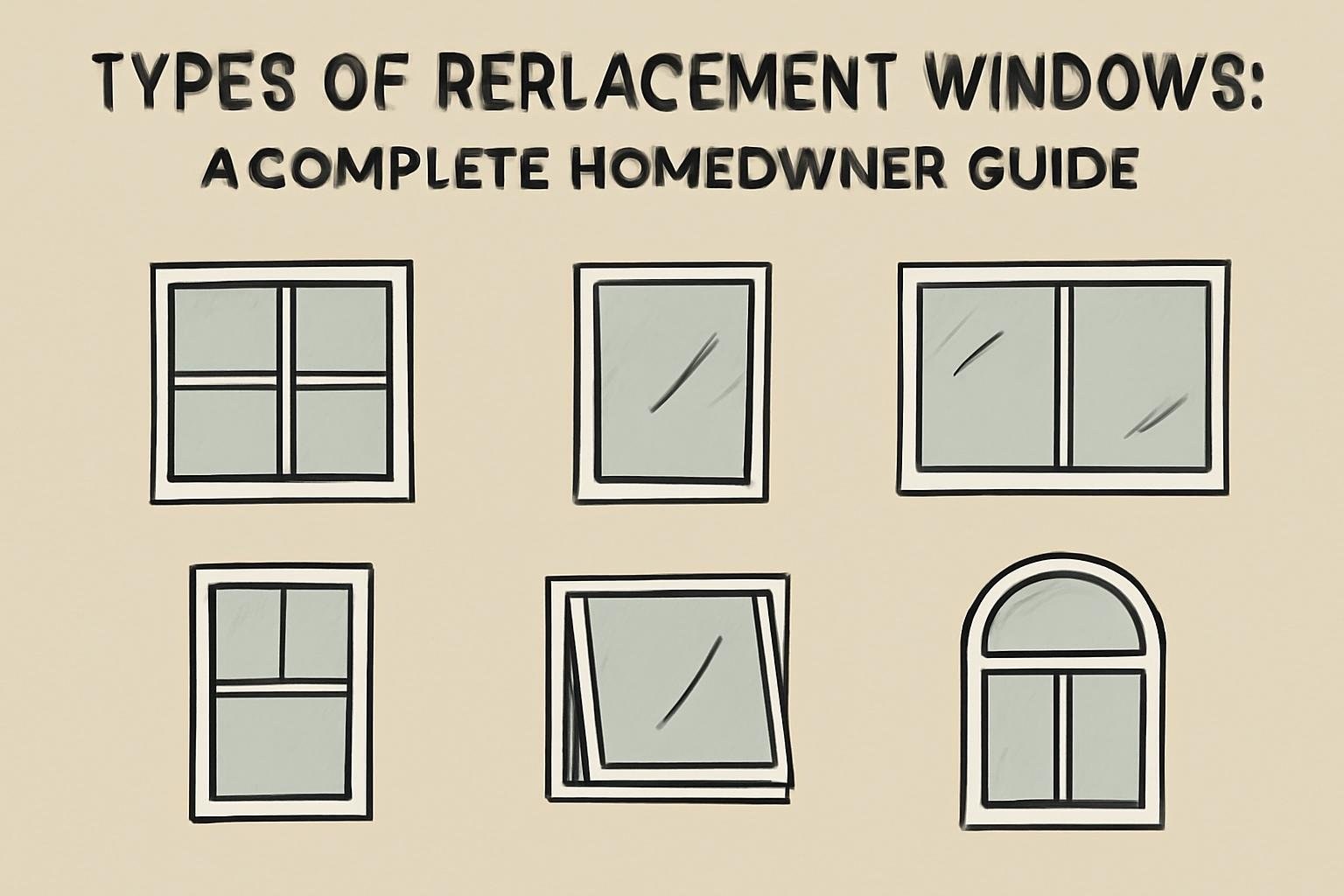
Replacement Window Styles: Options and Tradeoffs
Double-hung and single-hung
Double-hung windows have two operable sashes, and both can tilt for ventilation and cleaning. Single-hung windows generally have one operable sash. These familiar styles can suit rooms where vertical operation and a traditional appearance are priorities.
Casement and awning
Casement windows open on hinges, while awning windows are hinged along the top and open outward. They can be useful when you want a different ventilation pattern, but outward operation requires attention to exterior clearance and weather conditions.
Slider
Slider windows operate horizontally. They can work well where vertical clearance is limited, but compare the available opening, cleaning method, and hardware design.
Bay, bow, arch, and specialty shapes
Bay and bow configurations can change the appearance and projection of a wall, while arch and other specialty shapes may support a particular architectural design. These options may involve more detailed measurement, finishing, and installation planning than standard units.
Common replacement styles include double-hung, single-hung, casement, awning, arch, slider, bay, and bow. Availability and suitability depend on the home and the provider’s product lines.
Window Frame Materials Compared
Vinyl
Vinyl frames are widely considered by homeowners seeking a lower-maintenance option. Compare construction, available colors, hardware, and the product warranty rather than assuming all vinyl windows are equivalent.
Wood
Wood can provide a traditional appearance and may be available with painted, stained, vinyl-clad, or aluminum-clad exterior options. Maintenance requirements and finish choices should be discussed before purchase.
Fiberglass and composite
Fiberglass and composite frames offer additional alternatives to conventional vinyl and wood. Products differ, so review the manufacturer’s specifications, appearance options, installation requirements, and warranty.
Aluminum-clad wood
Some wood windows use a protective exterior cladding. This can change the maintenance and appearance conversation, but it does not remove the need to evaluate the complete product and installation.
There is no single best frame material for every house. Compare durability, maintenance, appearance, glass choices, availability, and total installed cost for your specific project.
What to Expect During Installation and How Long It Takes
Expect an initial conversation or inspection, measurements, product selection, a written proposal, ordering, installation, cleanup, and a final review. The on-site work may be relatively straightforward for a sound existing frame, or more disruptive when trim and surrounding materials are removed.
Timing depends on the number of windows, custom dimensions, product availability, installer scheduling, weather, access, and repairs. A trustworthy proposal distinguishes product lead time from installation duration. It should also explain what happens if the installer finds hidden deterioration or an opening that does not match the original measurements.
Before the crew arrives, clear furniture and wall decorations near the openings, identify access restrictions, protect valuables, and confirm how dust, debris, and old windows will be handled. At completion, check that each unit opens, closes, locks, and appears properly sealed. Ask for care instructions and warranty documents.
How to Choose a Qualified Window Provider
Compare providers on both product knowledge and installation practices. Ask each company to identify:
- The proposed window manufacturer, series, style, frame material, and glass package
- The installation method and whether trim, sill, or frame removal is included
- Who will perform the work and how subcontractors are handled
- Measurement responsibilities and the process for correcting an incorrect fit
- Cleanup, disposal, interior touch-up, and exterior finish obligations
- Product and labor warranty terms, exclusions, and service contacts
- References, applicable business information, and proof of required insurance or licensing
Be cautious when a salesperson cannot explain the scope, pressures you to sign immediately, refuses to provide a written proposal, or offers a quote that changes substantially without a documented reason. A lower price may reflect omitted trim, glass, preparation, disposal, or warranty work.
Permits, Credentials, Warranties, and Safety
Before work begins, ask your provider or local building department whether the project requires a permit, inspection, or other local approval. Requirements can differ by location, building type, historic status, opening changes, and the scope of work. Do not assume that a replacement project has the same requirements everywhere.
Review product and installation warranties separately. Check what is covered, how long coverage lasts, who performs service, whether labor is included, what exclusions apply, and whether the warranty transfers if the home is sold. Keep the contract, invoice, product identification, care instructions, and completion records together.
Safety also matters. Confirm how installers will protect occupants, pets, floors, landscaping, and upper-story work areas. If the project changes an opening or involves a room used for emergency escape, ask the provider to address applicable local requirements before ordering.
Ways to Reduce Cost Without Cutting Quality
Saving safely starts with controlling scope, not choosing the cheapest visible component. Consider these steps:
- Prioritize openings with the clearest operating, moisture, or comfort problems.
- Compare several complete proposals with the same style, material, glass, and finish assumptions.
- Ask whether grouping work into one project changes mobilization or scheduling costs.
- Keep sound trim and frames when an appropriately installed replacement option is suitable.
- Choose standard sizes or finishes only when they work with the opening and design.
- Ask about manufacturer promotions or financing terms, but evaluate the total obligation.
- Do not remove glass, alter openings, or measure custom units without understanding safety and fit risks.
Cost cutting that creates leaks, poor operation, unfinished trim, or warranty disputes is not a real saving. Make sure the proposal includes the work needed to produce a complete, weather-resistant result.
Common Mistakes, Red Flags, and a Practical Checklist
Homeowners commonly run into trouble when they compare products without comparing installation scope. Other avoidable mistakes include choosing a style that conflicts with furniture or exterior clearance, overlooking cleaning access, accepting vague glass descriptions, and failing to ask who completes interior and exterior finish work.
Use this checklist before signing:
- Write down the problem you want the project to solve.
- Inspect the opening and ask whether the frame and sill are sound.
- Confirm insert or full-frame installation.
- Record the style, material, glass, hardware, color, grids, and dimensions in the proposal.
- Request itemized labor, materials, trim, disposal, and repair allowances.
- Ask about timing, delays, change orders, and payment milestones.
- Verify applicable permits, credentials, insurance, and safety planning.
- Read product and installation warranties separately.
- Compare providers on scope and service, not just the lowest number.
Walk away from pressure tactics, unexplained discounts, blank contract sections, requests for unusually large upfront payments, or promises that are not written into the agreement.
How to Compare Replacement Window Quotes
The most useful comparison is a side-by-side schedule of the proposed products and work. Include one row for each opening or group of matching openings, then record the style, dimensions, frame material, glass description, hardware, color, installation method, trim scope, warranty, timing, and total price.
Ask providers to explain differences in plain language. If one quote costs more, determine whether it includes a stronger frame, different glass, full-frame preparation, more extensive trim work, better access planning, longer coverage, or simply a different margin. If one quote is much lower, look for omissions rather than assuming you found a bargain.
This process helps separate product comparisons from contractor comparisons. Both matter. A well-specified window can still perform poorly if it is measured or installed incorrectly, while a capable provider cannot make an unsuitable style or material solve the wrong problem.
Frequently asked questions
What is the difference between replacement and full-frame windows?
Replacement windows are made to fit an existing window frame and are commonly installed without removing the surrounding wall opening. They can be a practical choice when the existing frame is sound. A full-frame replacement removes the window, sill, and interior and exterior trim, making it better suited to damaged frames or major changes to the opening.
Are double-hung or casement windows better?
Double-hung windows have two operable sashes that can move and tilt for ventilation and cleaning. Single-hung windows generally have one operable sash, while casement windows open outward on hinges. The best choice depends on ventilation, access, room layout, maintenance, and the home’s design.
Which replacement window frame material is best?
Common replacement window frame options include vinyl, wood, fiberglass, composite, and aluminum-clad wood. Each involves tradeoffs among appearance, maintenance, durability, cost, and installation requirements. Compare the complete system, including glass, hardware, warranty, and installation.
What affects replacement window cost?
The project price depends on the number and size of windows, style, frame material, glass and hardware choices, installation method, access, trim work, and any repairs discovered after removal. Ask for an itemized quote rather than relying on a single per-window figure.
When should a homeowner hire a replacement window professional?
A professional is especially appropriate when the opening is damaged, the project involves full-frame removal, upper-story access, structural or moisture concerns, custom sizes, or unfamiliar installation details. Professional evaluation can also clarify whether a replacement window or full-frame installation is appropriate.
How long does replacement window installation take?
Replacement window timing varies with the number of windows, product availability, custom sizing, preparation, weather, access, and the extent of trim or frame repairs. Ask the provider to separate product lead time from on-site installation time.
Do replacement windows require a permit?
Permit requirements vary by location and project scope. Ask the provider or local building department whether a permit, inspection, or specific safety requirement applies before work begins. Do not assume that every window replacement follows the same rules.
How should homeowners compare window quotes?
A useful comparison includes the window style, frame material, glass package, color, hardware, installation method, interior and exterior finish work, disposal, warranty coverage, and payment schedule. Comparing only the advertised window price can hide important differences.
People Also Ask
What is the difference between replacement and new-construction windows?
Replacement windows are installed into an existing frame, while new-construction windows typically include a nailing fin for securing the unit to a rough opening. The correct product depends on the condition of the existing frame and the project scope.
What are the most popular replacement window styles?
Double-hung, single-hung, casement, awning, slider, bay, bow, and specialty shapes are common replacement window styles. Availability varies by manufacturer and provider.
What are the best materials for replacement windows?
Frame choices include vinyl, wood, fiberglass, composite, and wood with vinyl or aluminum cladding. Compare maintenance, appearance, durability, and the complete installed price.
How do I know if my windows need to be replaced?
Drafts, sticking, failed or fogged glazing, visible deterioration, water entry, difficult operation, and poor fit can indicate that evaluation or replacement is needed. A professional should investigate the cause before you choose a product.
What is included in a window replacement project?
A replacement window project can range from a straightforward insert installation to a larger full-frame project involving trim, sill, wall finishes, and repairs. The scope should be confirmed during an inspection.
What should a replacement window warranty cover?
The provider should explain the product warranty and installation warranty separately, including exclusions, transfer terms, service procedures, and who handles warranty claims.
How can I get the best replacement window quote?
Request at least several detailed quotes when practical, verify the scope in writing, and compare installation method, materials, glass, trim, warranty, and payment terms rather than just price.
The best replacement window is the one that fits your existing opening, suits how you use the room, complements your home, and comes with installation you can trust. Start by identifying the problem, then compare styles, frame materials, glass packages, installation methods, and complete project quotes rather than focusing on the window alone. When the scope is clear, compare qualified providers and ask for written details before signing.
Your next step
Ready to compare replacement window options? Use Estimate.org to become informed, compare providers, and find window professionals for your project.
Sources
- Replacement Windows Guide | John McCarter Construction
- A Homeowner's Guide to the 7 Best Types of Replacement Windows – Signature Glass & Windows
- What are the Different Types of Window Installation?
- Types of Replacement Windows for Your Home
- The Ultimate Buyer’s Guide to Replacement Windows
- Types of Replacement Windows: Styles, Benefits & Uses | Infinity by Marvin
- Types of Windows: A Replacement Window Buying Guide
- Choosing Replacement Windows via @ConsumerReports